

When it comes to raw dog food, you can generally split pet parents into two groups with opposing, adamant views. One side sees raw food as the healthiest thing you can feed your dog. The other side shuns it, citing concerns around the safety of raw food and the risk of pathogens.
As a veterinarian, I’ve frequently been asked over the years about the risks of feeding your dog raw food. I’ve always made it clear that there are well-documented risks, but, increasingly so, there are ways to mitigate them. The production of raw diets has come a long way over the last few decades, resulting in healthier, safer raw food and demonstrable benefits.
So let’s go over both sides of the debate so you can get a clearer picture of the risks vs. benefits and what responsible raw feeding involves.
The Benefits of Feeding Your Dog Raw Food
Pet parents find raw feeding appealing for several reasons. For some, it’s as simple as the fact that raw food is minimally processed and is the closest thing their pet can get to the diet their ancestors consumed in the wild. They appreciate that it’s made with easily recognizable, whole ingredients, and many of them swear by it.
However, there are a few practical benefits that many pet parents report:
Increased Palatability
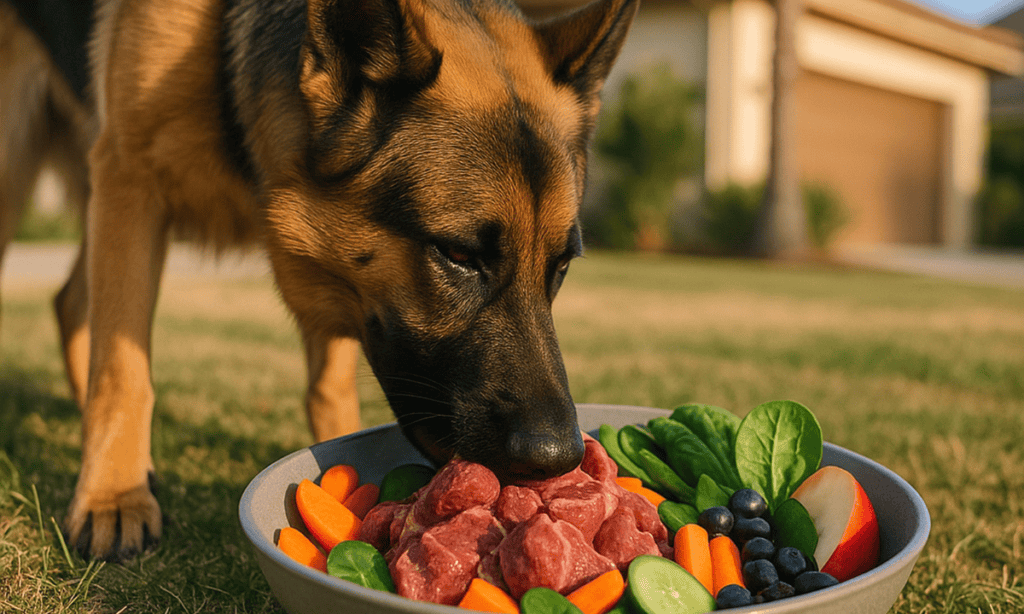
In general, dogs seem to find raw diets more appealing than kibble, likely due to the stronger natural smell, higher moisture, and a texture that’s closer to whole food. Parents of dogs that are picky eaters or have just lost interest in dry food find this particularly appealing.
Improved Coat and Skin Health
Many vets and pet parents notice marked improvements in their dog’s appearance, including:
- Shinier coats
- Softer fur
- Reduced dryness or flaking
These changes make sense because of the higher fat content, the increased levels of natural fatty acids, and the minimal processing raw food undergoes.
Digestive Improvements
It’s anecdotally reported that dogs on raw food diets have less gas, fewer digestive problems, and more consistent bowel movements due to the quality of ingredients and processing.
Furthermore, dog parents report that raw-fed dogs often produce firmer, smaller stools (and less volume overall). This is due to the higher digestibility and lower carbohydrate and filler content of raw foods.
Many dog parents notice these changes faster than any other benefits when they first start their dogs on raw food.
Better Metabolic Health
There’s growing research supporting the internal benefits of the raw diet, including a 2025 study in which raw-fed dogs showed decreases in blood sugar, cholesterol, and a key marker linked to insulin resistance. Meanwhile, kibble-fed dogs saw their cholesterol go up across the board, their long-term blood sugar markers rise, and their weight increase. Over the course of just 4.5 months, the dogs fed kibble showed early signs of metabolic stress — the kind of pattern we see in humans who eat too much processed food.
The Risks of Feeding Your Dog Raw Food
It’s impossible to ignore the risks that come with the raw food diet, but it’s also important to understand that not all raw feeding carries the same level of risk. The concerns most commonly associated with raw diets are largely specific to DIY raw preparation and are significantly reduced when using a reputable commercial raw product.
Pathogen Exposure
The most commonly cited safety concern with raw feeding is the presence of harmful bacteria like Salmonella, Listeria, and E. coli. This is a legitimate consideration — primarily for those preparing raw food at home, where pathogen control depends entirely on the individual owner’s handling practices.
Commercial raw is a fundamentally different story, and quality brands employ rigorous safety processes, such as FDA/USDA-approved methods that include high-pressure processing (HPP), alongside strict testing before any product ships.
Food Handling and Hygiene Requirements
Raw food doesn’t come with the same convenience as something like kibble, requiring:
- Safe thawing practices
- Consistent freezing
- Thorough cleaning of bowls and prep areas
- Hand washing after every contact
It demands the same handling standards as human-grade food, which is manageable for some pet parents. For others who lead very busy lifestyles and have many obligations, handling raw food and maintaining 100% safety consistency may not be feasible.
Nutritional Imbalance
It’s not enough to just throw raw meat, organ meat, and bones into a bowl and mix them — that can leave your dog deficient in important nutrients, including calcium, phosphorus, essential fatty acids, vitamins, and trace minerals, leading to serious health problems.
However, like with pathogen exposure, this is mostly a concern with home preparation. Commercial raw diets are generally formulated to meet standards like AAFCO, and they’re well-balanced with all the necessary nutrients to keep your dog healthy.
Bone Consumption

Many commercial and home-cooked recipes for raw dog food include bones. This can cause problems such as:
- Tooth fractures
- Gastrointestinal obstruction
- Constipation or irritation of the GI tract
If you’re preparing homemade raw diets, it’s critical to handle bones very carefully. Some people use a heavy-duty meat grinder to break down soft, raw bones like chicken necks, while others use softer edible bones whole (depending on the dog’s size and chewing ability). They might just skip bones altogether and use bone meal or a calcium supplement.
Unfortunately, some people prepare homemade raw dog food without realizing the issues involved, which can cause serious problems.
Mitigation Strategies: How Dog Food Manufacturers Reduce Risk
Given the risks surrounding raw dog food, it’s understandable that manufacturers go to great lengths to mitigate them. That’s why commercial raw food diets for dogs offer controlled ingredient sourcing, robust safety practices, and nutritional formulas that meet established standards (such as those set by AAFCO).
One such safety measure that some brands employ is high-pressure processing (HPP). This FDA-approved cold pasteurization method uses high-pressure cold water, not heat, to reduce bacteria. This allows for safer production while still maintaining the food’s nutritional and structural integrity. As a result, the risk is significantly reduced compared to untreated raw meat.
Another way to increase safety is to participate in independent testing and verification programs and transparency initiatives related to sourcing and production. This isn’t required, but some raw food brands voluntarily participate in them to ensure there are no contaminants and that vendors undergo specific quality-assurance tests.
For example, raw food brand We Feed Raw incorporates HPP into its production process. They also appear on the Clean 16, an independent study by the Clean Label Project that identifies the top 16 cleanest dog foods based on rigorous testing for purity and safety.
Who Is Raw Feeding Best For?
Commercial raw food from a reputable brand is a strong option for many pet parents. The benefits in palatability, digestion, and coat health are widely observed, and when sourced well, it comes with robust safety measures already built in. Brands that do it right (employ strict internal safety protocols and third-party testing before shipment) offer a safe, well-managed approach to raw feeding.
If you’re feeding a product like We Feed Raw, you’re already starting from a strong safety baseline, with HPP and rigorous testing, which means the safety work has largely been done before the food reaches you, and is as safe as gently cooked options.
If you do choose the raw food diet for your pet, make sure you:
- Wash your hands after handling raw food
- Clean bowls promptly after feeding
- Keep raw food away from surfaces used for human food preparation
- Store and thaw properly according to the product guidelines
Matching the Right Diet to Your Pet and Household
The raw feeding debate isn’t actually so much of a debate as a question of management and fit. After all, while the potential benefits are quite meaningful, the outcome can depend on the diet and how it’s handled.
If you choose raw dog food from a brand like We Feed Raw, you’re backed by safety measures like HPP and third-party testing, and their pre-portioned servings make it a very manageable option. You’ll still need to handle and store it carefully, but it removes a lot of the barriers commonly associated with raw feeding.
In this vet’s opinion, pet parents who do their homework and put in the work to provide their dog with a quality raw diet will find it an attractive alternative to the standard kibble.

- Raw Dog Food: Risks vs. Benefits - April 1, 2026
- Best Raw Dog Food Subscription Services in 2026: A Transparent Comparison For Pet Parents - March 11, 2026
- We Feed Raw vs Viva Raw: Raw Dog Food Comparison (2026 Guide) - March 4, 2026