
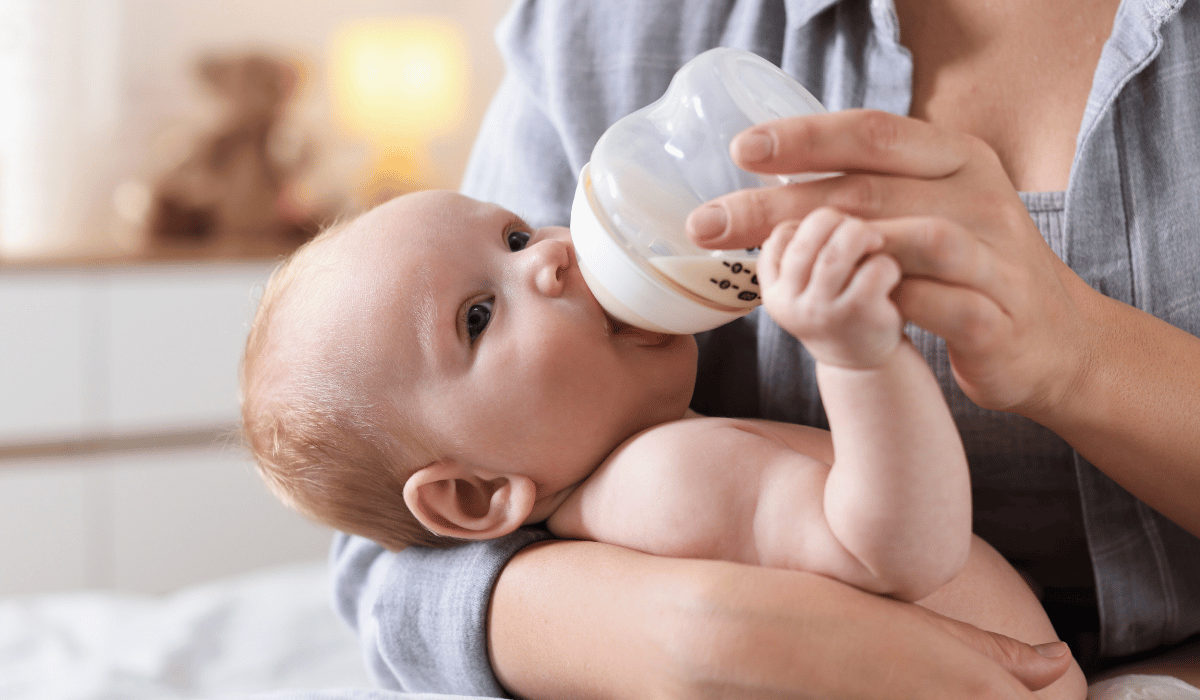
There’s a special kind of panic that comes with realizing you’re down to the last few scoops of infant formula when your baby definitely isn’t done eating for the night. Suddenly, that casual grocery run you planned for tomorrow becomes a late-night emergency trip to the store before it closes.
If you’re tired of playing “how many bottles do we have left?” and hoping you never run out at the wrong time, a baby formula delivery subscription might be worth considering. Regularly scheduled deliveries can take one more thing off your mental checklist and help keep your next supply of formula at the ready before you need it.
However, the convenience of the set-and-forget nature of a subscription plan isn’t the only thing to consider. Before signing up for a recurring plan, there are a few things to think about to make sure your subscription fits your baby’s feeding needs and your budget.
What Should You Look for in a Formula Subscription?
Delivery Schedule and Adjustments
What’s the delivery schedule for the brand you’re interested in, and how easy is it to change the amount of formula you’re getting? Make sure to note if you will be receiving your order weekly, biweekly, or monthly and if/how anything is adjustable.
These options are particularly important because illness, growth spurts, and other changes in appetite can change a baby’s consumption substantially over a relatively short period. Here are a few formula brands that currently offer subscription services that are popular with customers:
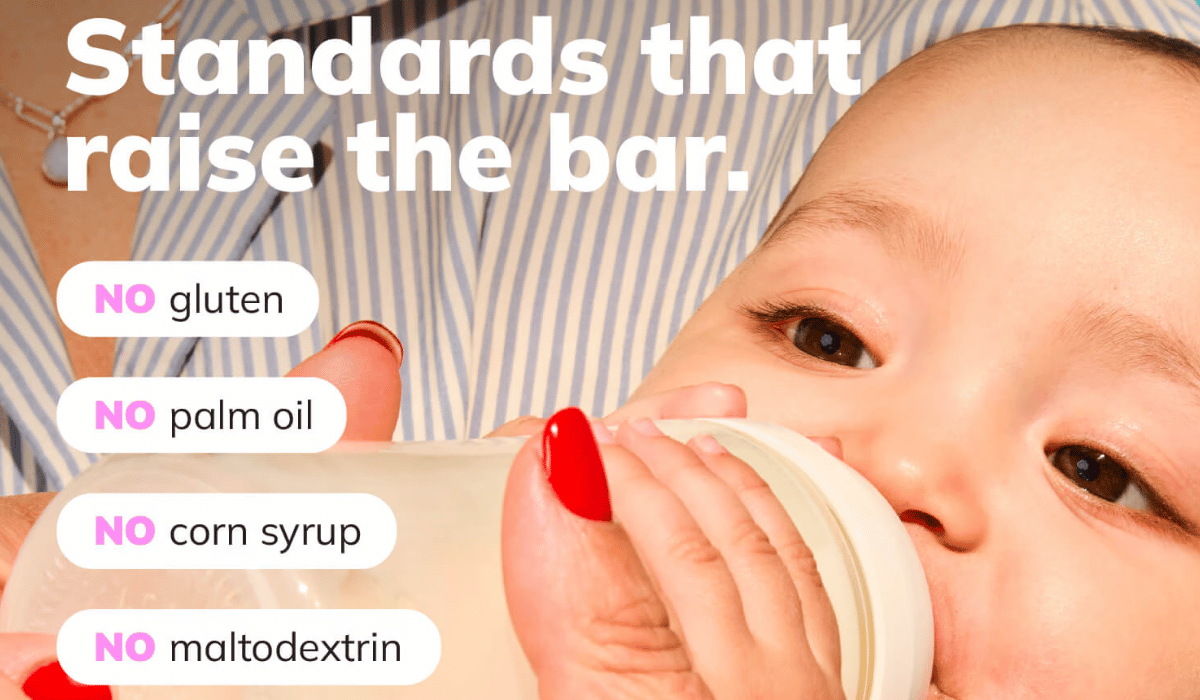
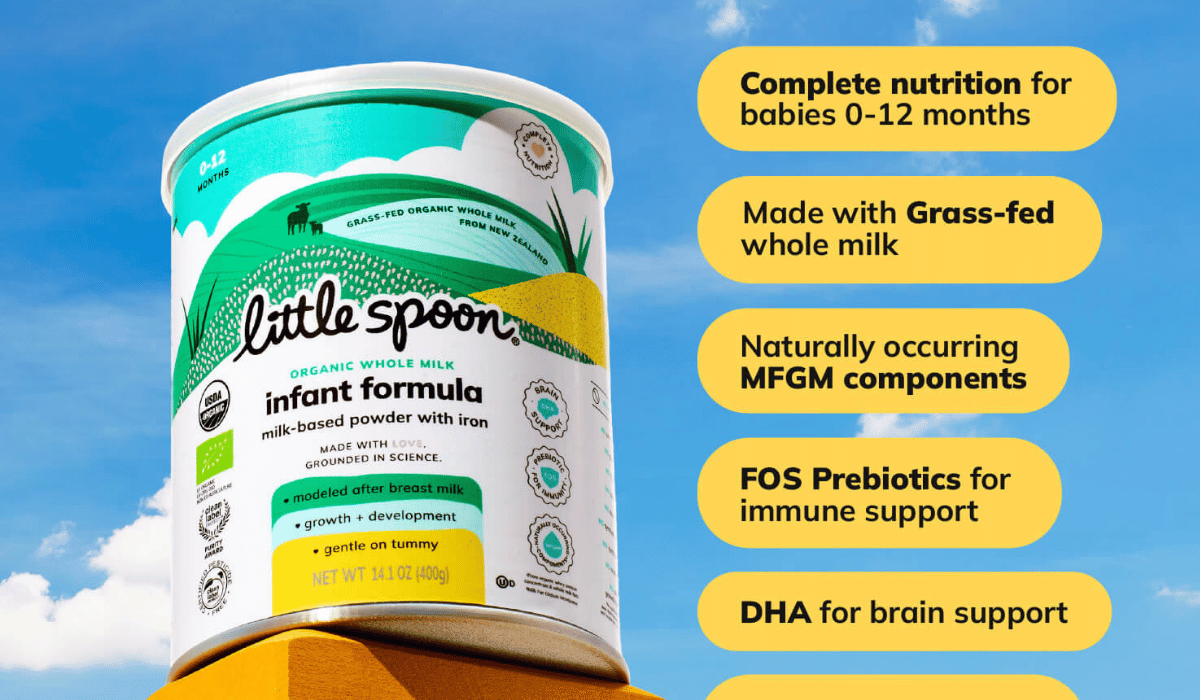
Little Spoon currently says subscription formula orders ship every two weeks, with the ability to pause, skip, cancel, or adjust delivery timing.
Bobbie offers monthly shipping with an easy-to-flex delivery schedule you can adjust or pause whenever you need to.
Munchkin lets customers choose between receiving auto deliveries every two or four weeks and allows you to skip, update, or cancel your order any time.
Potential Savings
You should consider the percentage discount you might receive between brands and whether the discount applies to every shipment or only the first. Will the price change later on? Is shipping included or at cost? Do promotions apply to recurring orders or just the first? It can be confusing to determine how much money you are actually saving when you start calculating all the variables between brands.
With Bobbie’s most popular eight-can bundle of Organic Original Infant Formula on their Stay Stocked Monthly plan, you can save up to $39 a month and receive free shipping. This puts your order total at $187.20 instead of a one-time purchase of $208. Your supply cost is then guaranteed via locked-in, inflation-proof pricing once you order. Subscription plans also include free 1:1 sessions with board certified lactation and feeding experts.
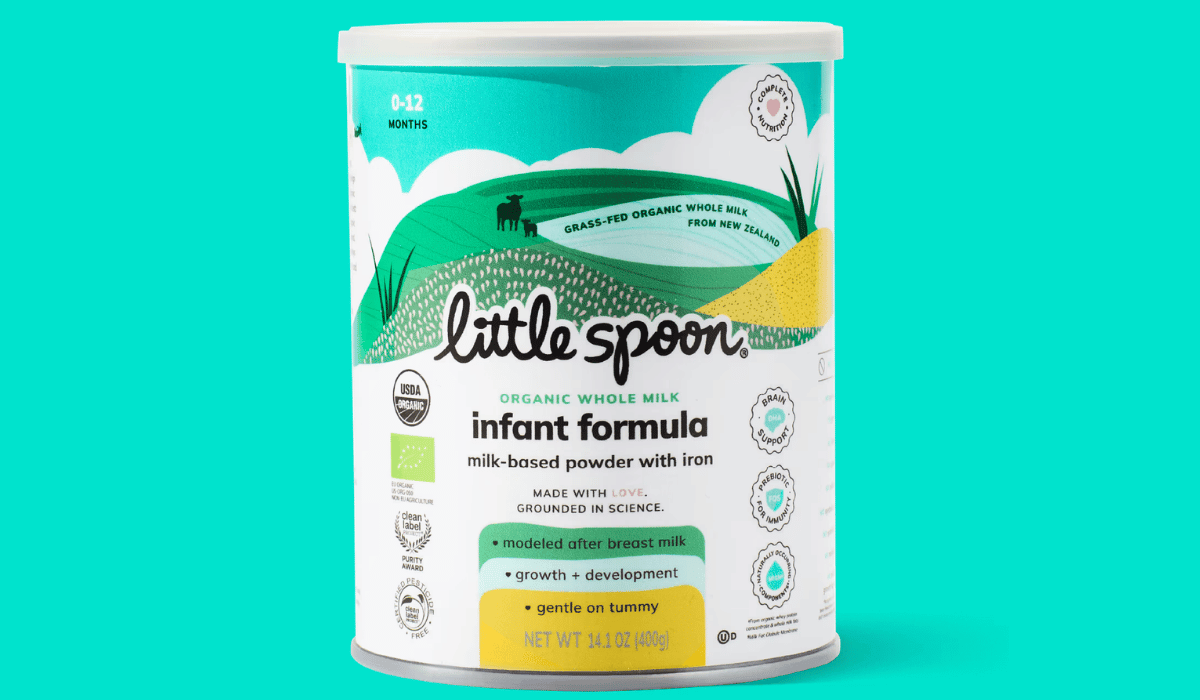
If you choose Little Spoon’s most popular eight-can subscription plan of Organic Whole Milk Infant Formula, you save 20% off the first order, 10% off subsequent orders, and you get free shipping every time. This puts your total order at $172.80 instead of a one-time order total of $240. You can also take advantage of their current free-trial offering: two cans of formula for free except for the $9.99 shipping.
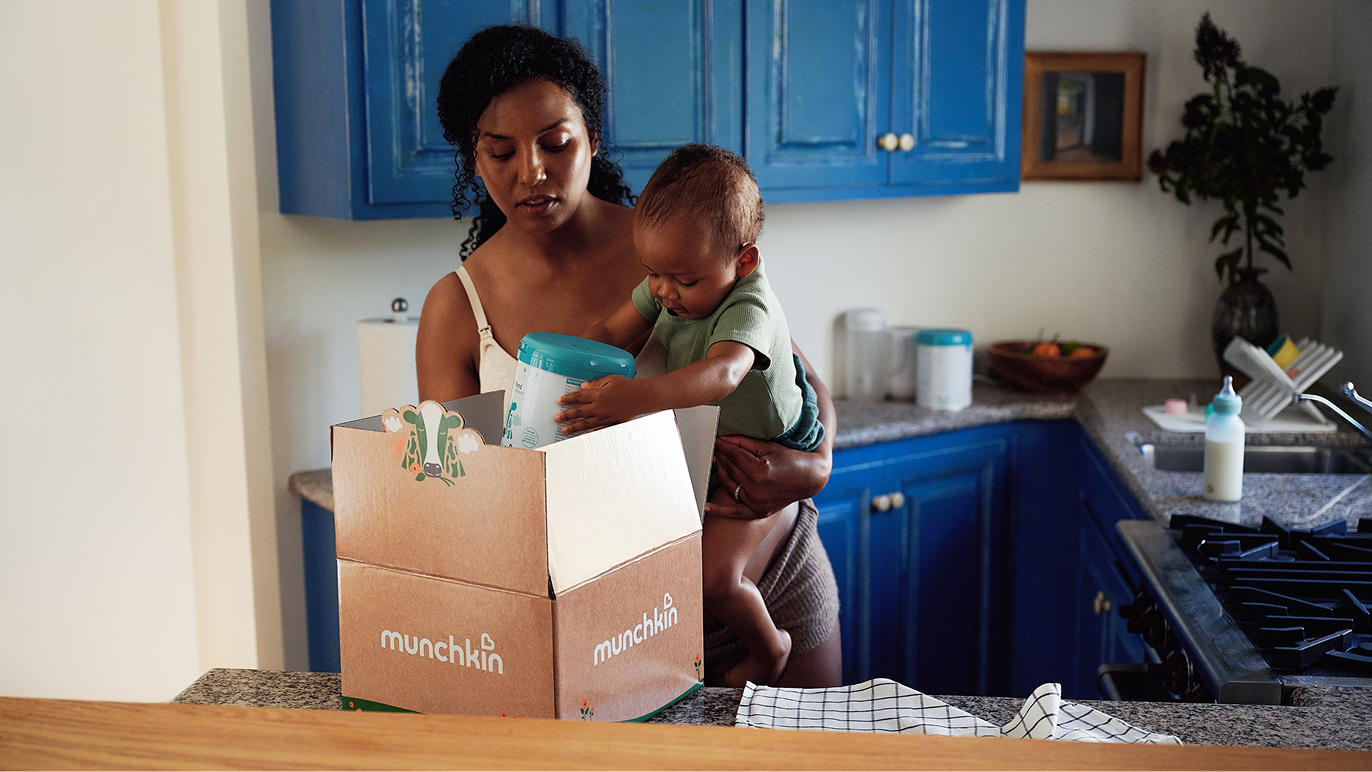
Munchkin offers 10% savings on your six-can bundle of Infant Formula made with organic milk when you subscribe as well as 10% savings sitewide. This 10% discount remains throughout the life of your subscription. Munchkin also sends complementary surprise gifts to your child as they age.
Does the Brand Offer Guaranteed Formula Availability?
This is a very important point to consider (I’m sure we all remember the frightening formula shortages that occurred during the COVID-19 pandemic). Does the brand you’re considering purchasing a subscription from guarantee your baby’s supply if a similar situation were to occur in the future?
I’ve done some research, and there are only a few brands that guarantee the security of your baby’s supply for the duration of your subscription. Bobbie and Little Spoon are the only two brands I could find that both guarantee inventory levels on their websites, so you can rest knowing your baby’s next can of formula is already accounted for.
Should You Put Baby Formula on a Recurring Plan?

Questions to Ask Before You Commit
Before clicking “subscribe,” ask yourself a few questions:
- How often will my formula ship, and can I change it?
- How many cans am I getting each time, and can I change it?
- What will I actually pay after the introductory discount ends, and will I be automatically charged before each shipment?
- Is shipping free on every recurring order?
- Can I skip an order or pause the subscription?
- How do I cancel entirely?
- What happens if the formula is temporarily unavailable?
Avoid This Common Mistake
Before choosing a recurring formula plan, make sure you take a minute to look at how much formula your baby actually uses. A subscription can be very convenient, but getting way more formula than you need can leave you with extra cans and a light wallet, and ordering too little can put you right back on that late-night grocery run you were trying to avoid.
Estimate Your Baby’s Intake
Start with your baby’s current routine. Do you know how many ounces your baby typically drinks each day? Are you exclusively formula feeding, or are you combining formula with breast milk? How quickly does your baby go through a can? Has their intake been changing recently?
Consider all these details before you choose how many cans you wish to receive per cycle. Your subscription should be flexible enough to accommodate those changes.
A simple way to estimate your needs is to work backward from your baby’s current consumption:
How many ounces your baby drinks per bottle → How many bottles your baby drinks a day → How much formula your baby uses each week → How much you’ll need until the next delivery → How many cans to order per shipment
For example, if you know roughly how much formula your baby uses in a typical week, you can compare that amount with the quantity included in each subscription shipment. That makes it easier to choose a delivery schedule and shipment size that gives you a comfortable supply without over- or under-stocking.
Final Thoughts
Use your baby’s current feeding habits as your starting point, and look for a subscription that offers the benefits that are most important to you and your lifestyle. Consider the important things like price point, order flexibility, and the security of your baby’s food supply.
A preset, recurring order may fit your family’s lifestyle if you know your baby tolerates a certain formula well, you use it consistently, and you value having the next shipment arrive automatically. A more flexible subscription option may be a better fit if your baby’s intake changes often and you want the convenience of a recurring delivery without being locked into a rigid quantity or schedule. One-time ordering may be best if you’re still figuring out which formula works best, your baby’s consumption changes frequently, or you don’t want automatic recurring charges.
Remember, the best formula subscription isn’t necessarily the one with the biggest advertised discount. It’s the one that will take some weight off your shoulders—and your wallet.

- Best Espresso Beans Subscription - October 22, 2026
- Monthly vs Biweekly House Cleaning: Which Is Best for Your Home? - October 19, 2026
- A Buyer’s Guide to Baby Formula Subscriptions: What to Consider - October 5, 2026