
When my daughter first started solids, not only did I need to think about nutrition, but also textures, allergens, iron-rich foods, variety, and choking hazards. I started looking into baby food subscriptions pretty early on to avoid the last-minute grocery store trips and the second-guessing as I stared at all the options.
Most of the subscriptions I found were great options, but some focused on organic purées for babies just starting solids, while others offered complete meals for toddlers. So the best subscription really depends on your child’s age and what you’re hoping to get out of it — organic ingredients, greater variety, or help during the transition to finger foods.
At a Glance
| Best For | Food Type | Ages | Standouts | |
| Little Spoon | Growing with your baby | Purées (5 stages), ready-to-heat meals, plates, snacks | Birth → big kids | One brand covers every feeding stage; organic & non-GMO |
| Amara | Organic baby food | Dehydrated, plant-based blends (mix with milk/formula/water) | 6 months → 4 years | USDA Organic, shelf-stable, travel-friendly, very simple ingredients |
| Nurture Life | Toddler meals | Fresh ready-to-heat meals, finger foods, breakfasts, sandwiches, snacks | 8 months → 8 years | Goes well beyond lunch and dinner: overnight oats, crustless sandwiches, smoothies, puddings |
| Once Upon a Farm | Refrigerated pouches | Fresh pouches, meal starters, frozen meals, oat bars, snacks | 6 months → big kids | USDA Organic + Clean Label Purity Award; no added sugar; flexible 1–5 week delivery |
| Serenity Kids | Protein | Meat, veggie, and bone broth pouches, smoothies, puffs, formula | 6 months → 3 years | Protein-forward, savory flavors you won’t find elsewhere |
Best for Growing with Your Baby: Little Spoon
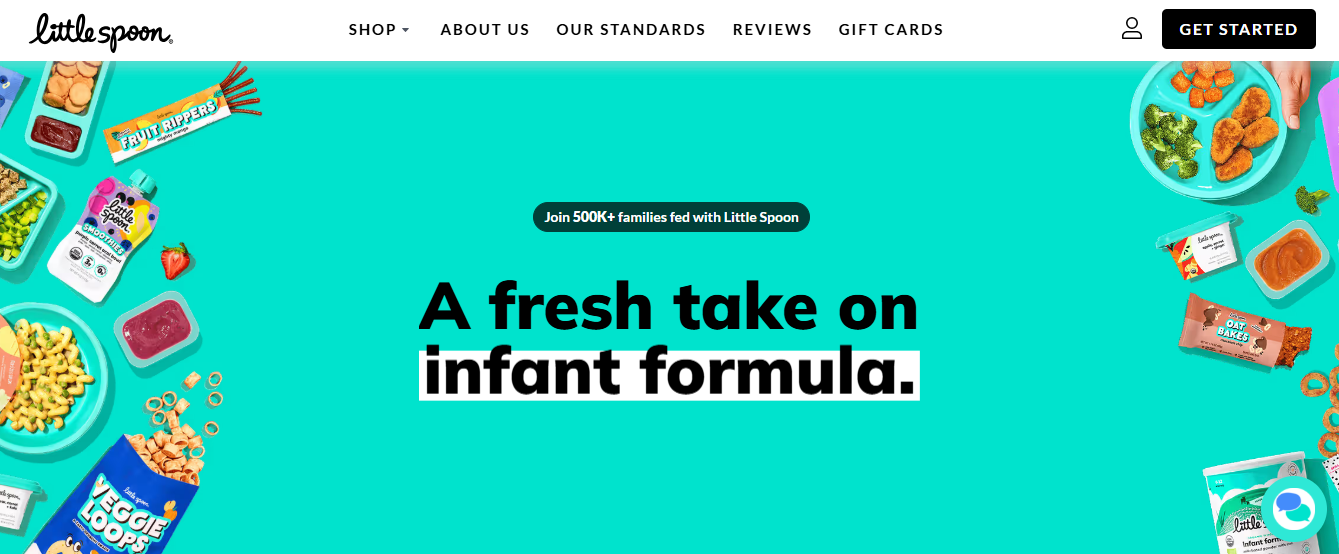
Little Spoon is great if you want to stick with one brand as your child ages. Their infant formula is appropriate for your baby before they ever eat solids, graduating to puréed Blends at six months. These blends start at single-ingredient foods like pear or butternut squash, but as you move through the stages (stage five is for babies eight months and up, for example), they contain more ingredients and denser textures.
As your child moves into finger foods at around nine months, you can transition to Little Spoon’s Biteables. These are pre-portioned meals that you just heat up, with options like Grass-Fed Beef Meatballs, Mini Cheesy Pasta, and Roast Turkey and Gravy.
Little Spoon tests for hundreds of contaminants, which has become increasingly important to me after reading about heavy metals in baby food. Their foods are made with organic, non-GMO ingredients, and flavor-wise, they actually taste like the ingredients they’re made from.
They also have foods for bigger toddlers and kids (Plates, for ages two and up), as well as snacks like Pancake Spoonies and Peanut Puffs.
Pros
- Covers multiple feeding stages, from formula at birth onward
- Organic, non-GMO Blends
- Excellent variety
- Easy subscription management
Cons
- Rotating menus might mismatch a picky child’s tastes
- Shipping is extra
Best for Organic Baby Food: Amara
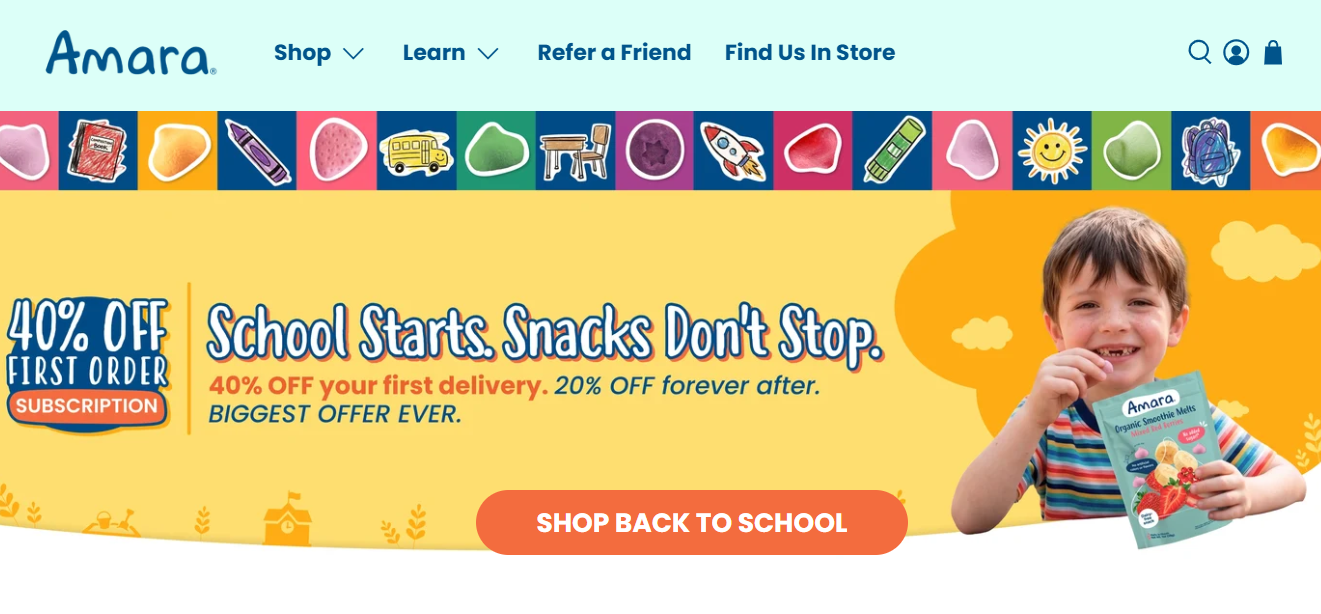
If your baby is just starting solids and you’re looking for a service that focuses primarily on baby food rather than toddler meals, Amara is one of the strongest options available. Rather than refrigerated meals that you have to serve within a set period, these are dehydrated, organic, plant-based baby foods for babies six months and up. You simply mix the blends with breast milk, formula, or water, and they’re ready to serve.
The menu focuses heavily on fruits, vegetables, oats, and legumes, making it a great choice for parents who want simple ingredient lists and plenty of variety. And because they’re shelf-stable, they’re especially convenient for travel or stocking for busy days. Their toddler snacks, like the Smoothie Melts, come later (Amara suggests waiting until around ten months) and run through about age four.
Pros
- USDA Organic ingredients
- Shelf-stable and travel-friendly
- Very simple ingredient lists
- Easy to customize by mixing with breast milk, formula, or water
Cons
- Roughly 12–15 flavors versus 40+ at larger brands
- Some prep time required
Best for Toddler Meals: Nurture Life
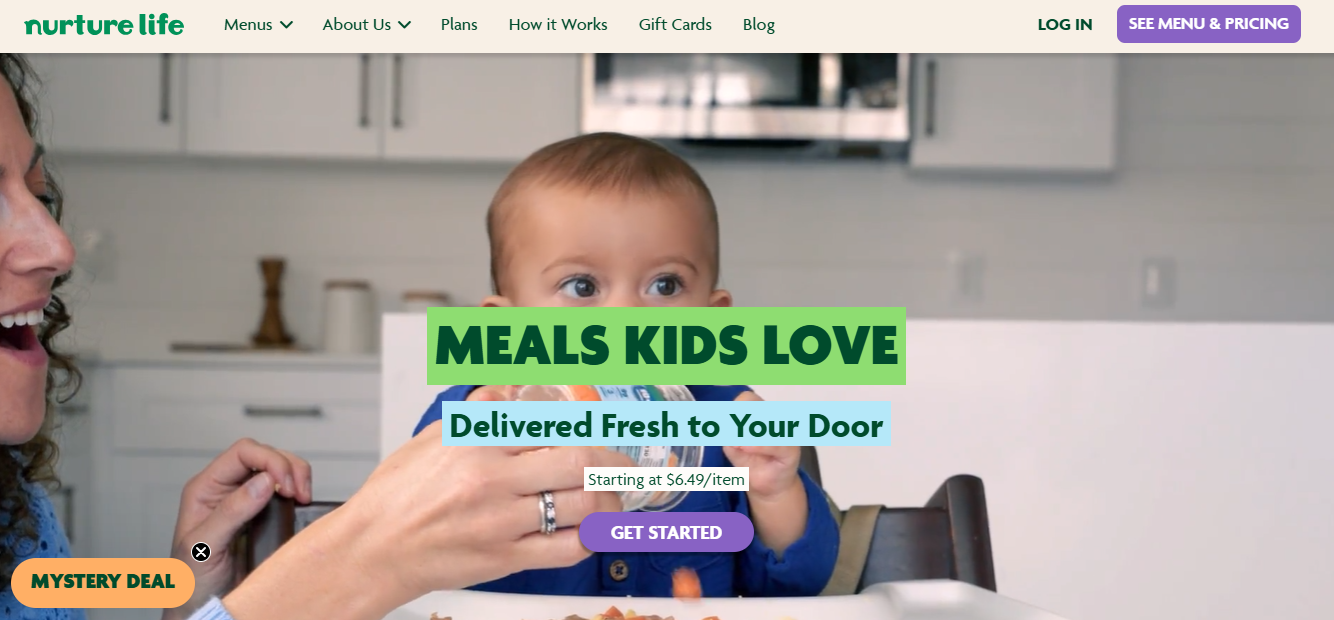
If your kid has already moved beyond purées and is confidently eating finger foods and full meals, Nurture Life is one of the strongest toddler meal subscriptions available. They offer meals and snacks for kids from eight months through eight years old, making it one of the broadest age ranges in this category.
One thing I appreciate is just how much variety they offer beyond lunch and dinner. In addition to their fresh Kids Meals and Finger Foods, they also have products like Oaties, which are essentially fresh overnight oats for breakfast; Super Sammies, their crustless sandwiches made with sunflower seed butter and real fruit; and even Purely Puddin’, a pudding designed for toddlers. It feels less like a baby food company and more like a complete meal solution for growing kids.
Pros
- Huge variety of meals, breakfasts, sandwiches, smoothies, and snacks
- Serves children through age 8
- Fresh, ready-to-heat meals delivered weekly
- Flexible subscription with the ability to skip or pause deliveries
Cons
- Often high in saturated fats
- Rotation gets stale over months, as the menu rarely changes
Best for Refrigerated Pouches: Once Upon A Farm
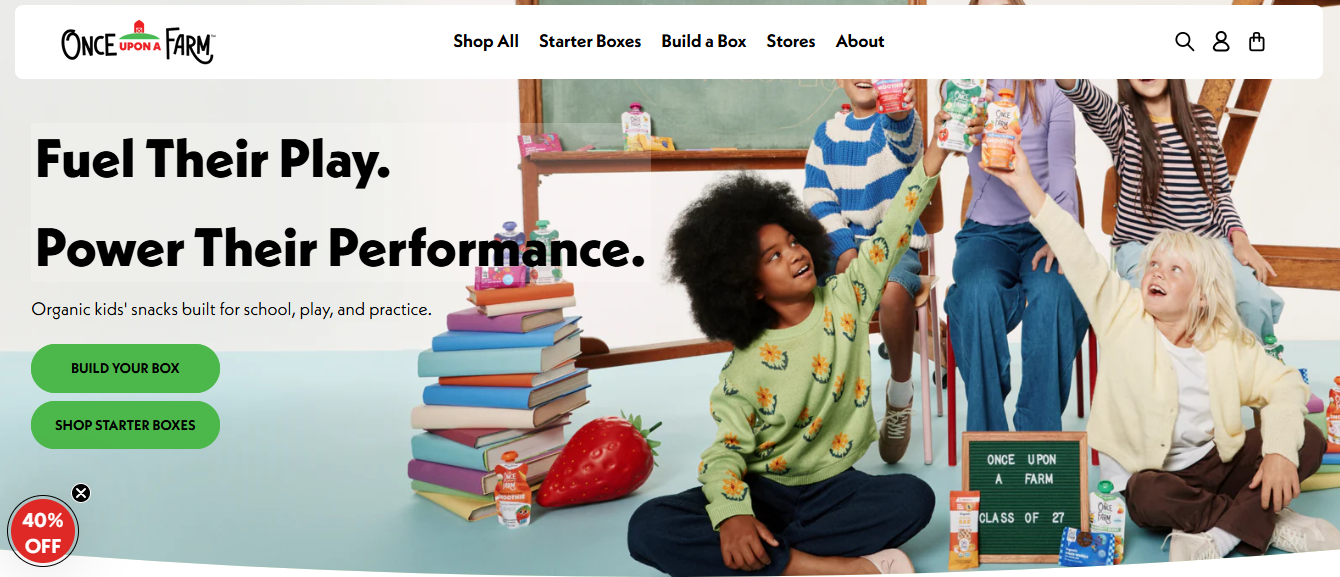
If you’re looking for fresh, organic baby food that feels a step above traditional shelf-stable pouches, Once Upon a Farm is a great option. They offer subscription boxes that can be delivered every one to five weeks, making it easy to keep a steady rotation of fresh foods on hand without constantly running to the grocery store.
Their subscription goes beyond just fruit and vegetable pouches and can include Organic Meal Starters, like veggies, grains, legumes, and oats for babies around six months and older. This gives parents more options as their little ones begin exploring different textures and flavors. They also offer frozen meals, refrigerated oat bars, and pantry snacks like their popular Tractor Wheels (12 months and up) and Soft Baked Bars (4 years and up), so there are options that extend beyond the earliest stages of solids.
Every product is made with USDA Organic ingredients, and the company emphasizes their Clean Label Project Purity Award certification, along with no added sugar and no artificial ingredients. If you spend a lot of time scanning ingredient labels, this kind of transparency is truly reassuring.
Pros
- Excellent refrigerated pouches with fresh ingredients
- USDA Organic and Clean Label Project Purity Award certified
- No added sugar or artificial ingredients
- Includes pouches, meals, oats, legumes, and meal starters
Cons
- The 8–12g of sugar per pouch is naturally occurring but notably sweet
- Protein is typically only 0–1g, and fat 0–1g per pouch
- Shelf life is limited to ~90 days
Best for Protein: Serenity Kids
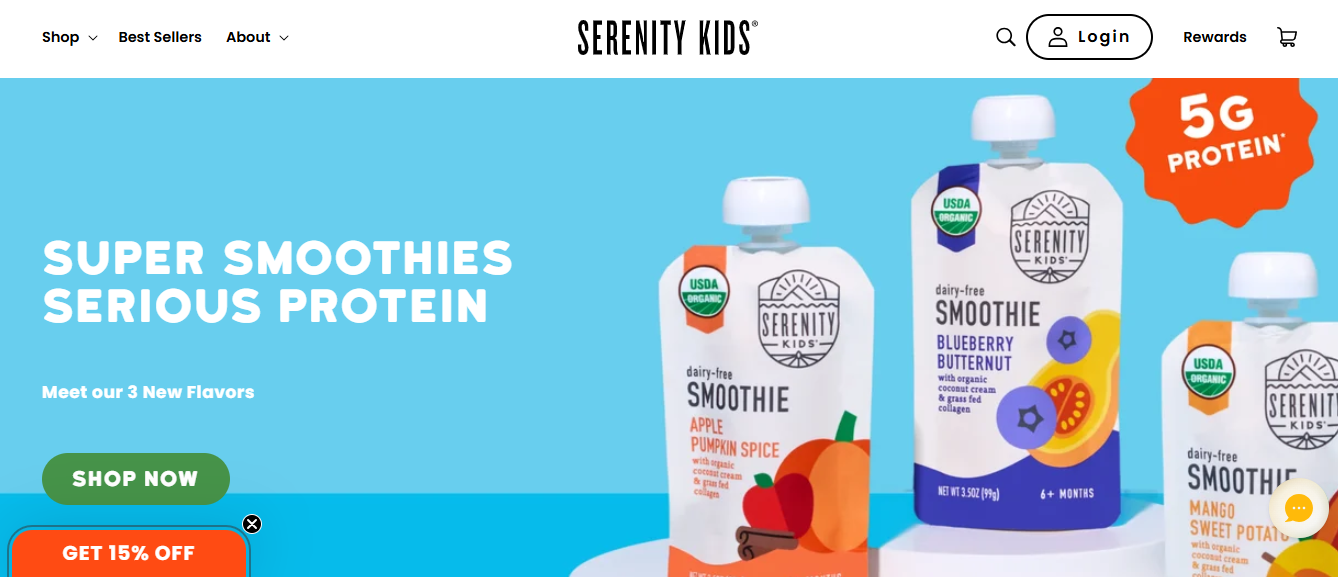
Serenity Kids isn’t really a traditional meal subscription service; it’s a Subscribe & Save program where you can have recurring shipments of products delivered to your door. While it provides the convenience of automatic deliveries, it’s a bit different from services where you build a personalized weekly menu.
There’s a big emphasis here on protein, healthy fats, and savory flavors, with a meat-based lineup that offers pouches of beef, turkey, chicken, and salmon for babies six months and up. There are also vegetable pouches, smoothie purées, puffs, and an A2 toddler formula for ages 12 to 36 months (note that it’s a toddler formula, not an infant formula). They also offer themed variety packs, such as the Power Protein Pack and the Cozy Bone Broth Pack. So if you’ve been trying to expose your baby to a wider variety of flavors beyond just apples and pears, it’s a refreshing change.
The tradeoff is that you don’t get to customize your bundles. So if your baby loves three flavors but refuses one, you can’t swap individual pouches in and out the way you can with a traditional meal subscription.
It’s also important to keep in mind that Serenity Kids is very focused on individual foods and snacks rather than complete meals. But if your priority is stocking your pantry with nutrient-dense pouches, this is an excellent choice.
Pros
- Excellent source of protein-forward baby foods
- Unique meat, vegetable, and bone broth pouches
- Offers smoothies, puffs, and snacks
- Convenient Subscribe & Save option
Cons
- Subscription isn’t customizable
- No complete toddler meals or finger-food trays
- Better suited for stocking up on pouches
How to Pick the Best Baby Food Subscription / Toddler Food Subscription
Before choosing a subscription service, I’d consider these questions:
- Ingredients: Do you prefer organic? Non-GMO ingredients? Simple recipes? Do you care about refrigerated meals instead of shelf-stable pouches?
- Variety: Babies benefit from repeated exposure to different flavors and textures. A subscription with a rotating menu may help broaden their palate over time.
- Flexibility: Can you skip weeks? Pause deliveries? Adjust the number of meals? These small details become surprisingly important once real life gets busy.
- Price: Subscription meals almost always cost more than preparing everything yourself. For many families, the tradeoff is paying for convenience rather than expecting to save money.
Ultimately, the best baby food subscription depends on your child’s age and your family’s priorities. No subscription replaces homemade meals entirely (nor should it). But having nutritious, thoughtfully prepared meals available for busy days can make feeding your child a whole lot less overwhelming.

- Best Espresso Beans Subscription - October 22, 2026
- Monthly vs Biweekly House Cleaning: Which Is Best for Your Home? - October 19, 2026
- A Buyer’s Guide to Baby Formula Subscriptions: What to Consider - October 5, 2026