

TLDR, Nurture Life and Little Spoon are nearly identical meal services. Read on for the nitpicked differences.
First and foremost, the dinner battle between parents and kids is real, and I see you in your struggle! Now that your feelings have been validated, we can dissect the two mighty meal subscriptions that dominate the internet and dining room tables across the United States: Nurture Life and Little Spoon. Chances are you’ve seen an ad for one or both of these if you have younger children. These brands pop up on my algorithm daily, and I’ve succumbed to trying both of them.
Nurture Life and Little Spoon are structurally similar, organizing their menu options around three matching stages: a self-feeding transition line, a heat-and-eat main dish, and a no-heat lunchbox option. They’re built to cover early self-feeding through school-aged years with meals packed full of nutrition (even when you can’t see it). Where they meet a fork-in-the-road is what’s published on the label, how broad the snack shelf is, and how the boxes are priced. Neither system is better than the other, and ultimately the choice comes down to a small but fierce little human.
Ages and Stages
Both brands position their menus to different age or life stages to accommodate the just-learning-to-eat youngsters to when they can grab a fork and beyond. Nurture Life markets to a specific age, whereas Little Spoon guides to life stages instead.
Nurture Life At A Glance
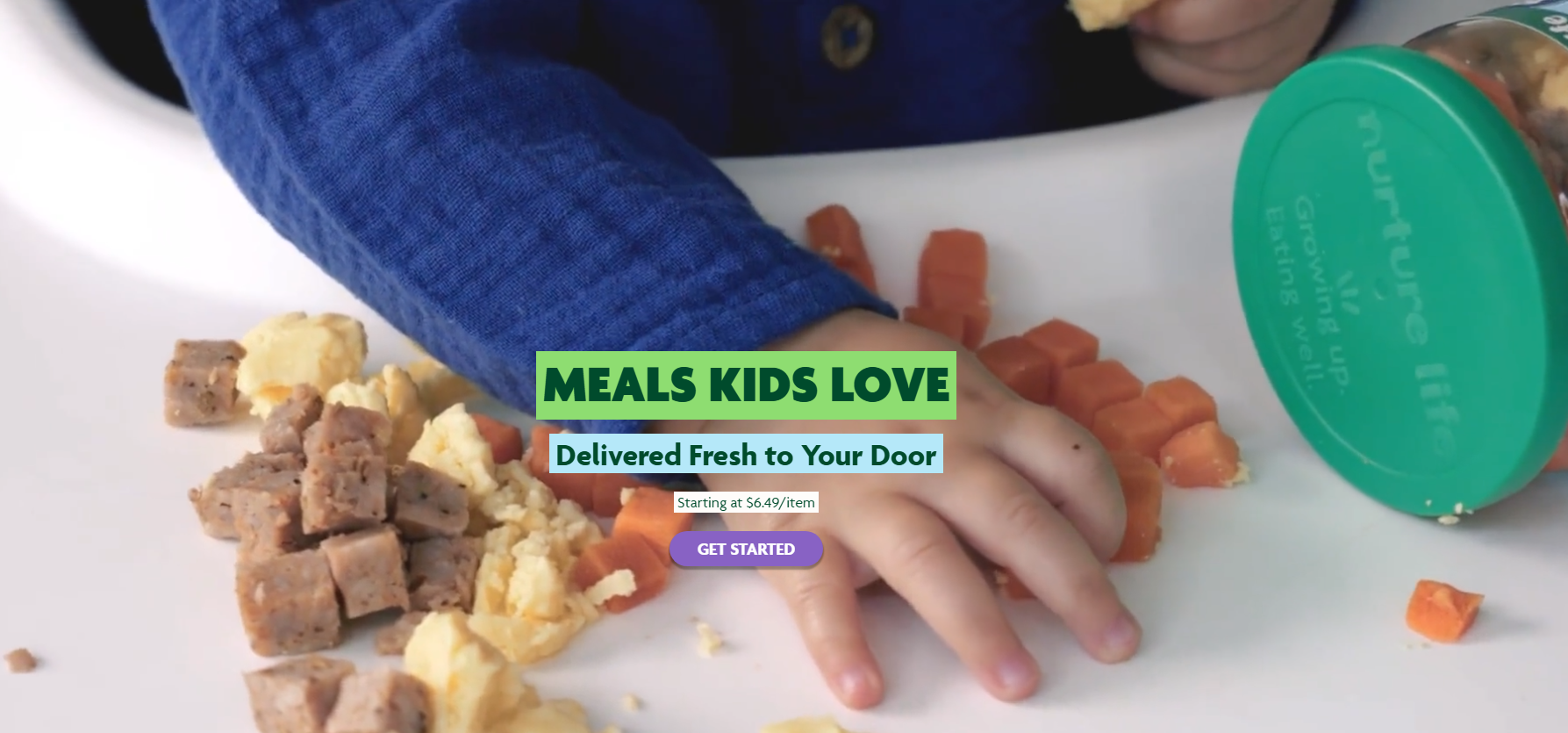
| Age Guidance | Options |
| 8+ months | Finger Foods, Oaties |
| 1 to 8 years | Kids Meals |
| 1+ years | Smoothies |
| 2+ years | Super Sammies, Mighty Bites |
| 4+ years | Lunchkins |
Little Spoon At A Glance
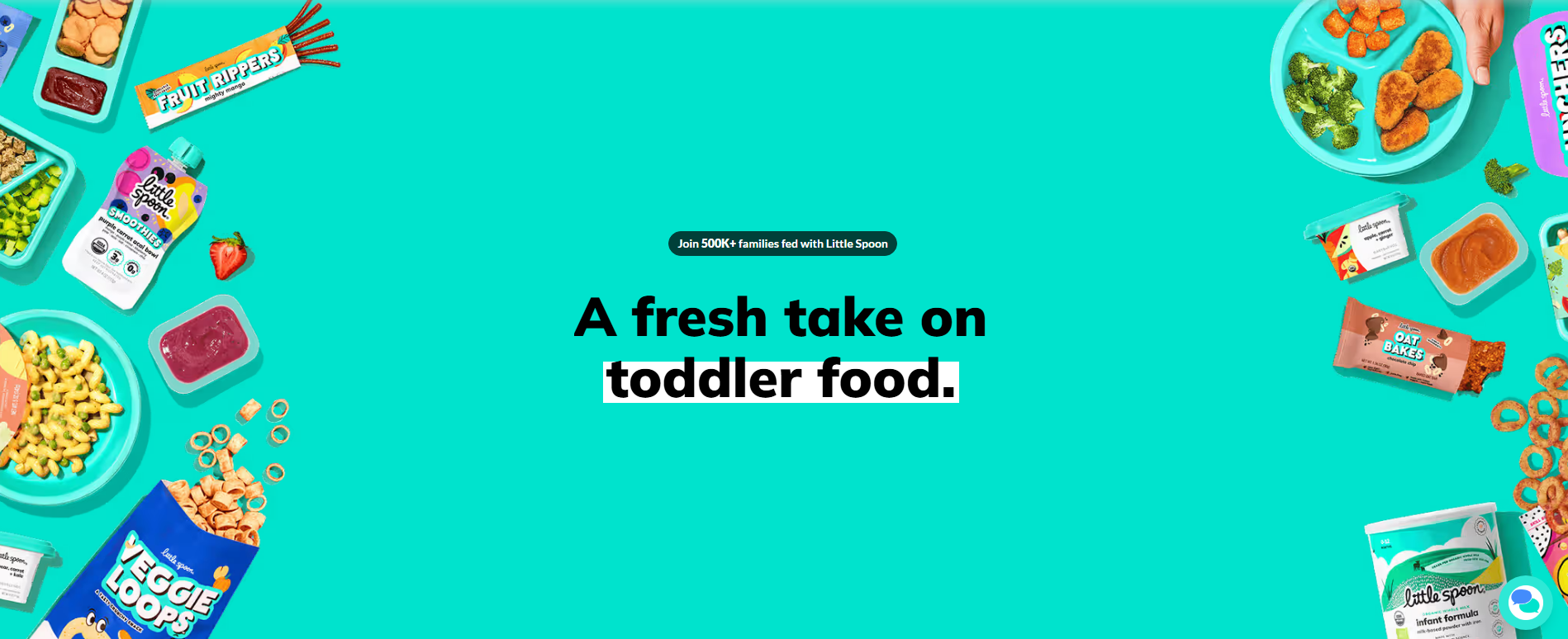
| Life Stage | Options |
| Baby | Newborn Nutrition, Babyblends, Biteables, Smoothies + YoGos, Baby Cereal, Puffs |
| Toddler | Biteables, Plates, Smoothies + YoGos, Puffs |
| Big Kid | Plates, Lunchers, Snacks + Pantry, Smoothies + YoGos, Frozen Kids Food |
The American Academy of Pediatrics suggests starting solids around 6 months and when specific developmental milestones are reached. Nurture Life’s Finger Foods line covers the youngest stage eater starting at 8 months, with some options starting at 10 months. Little Spoon has their Biteables as a similar option starting at the baby stage, or 9 months, but they also offer purees with their Babyblends line for little ones not ready for food grasping.
Once your child reaches the next age or stage of eating, Nurture Life offers Kids Meals and Smoothies comparable to Little Spoon’s Plates, Smoothies and YoGos. From there, more advanced eaters have Super Sammies and Lunchkins from Nurture Life and Lunchers and Frozen Kids Food from Little Spoon.
IRL, having one subscription service that provided my 9-month-old and my 2.5-year-old with fresh heat-and-eat meals saved my sanity while I was in the trenches post-maternity leave. Biteables or Finger Foods for my littlest, while my eldest enjoyed Kids Meals or Plates. They’re functionally the same, just under different names.
How Do They Stack Up Against One Another?
Now that we’ve highlighted the similarities and compared each meal line with their brand, it’s time to get down to the nitty-gritty.
Snacks
A lot of roundups I have come across online don’t give Nurture Life’s snack line enough credit. Their Mighty Bites are oat-and-seed snacks that incorporate chia, dates, and sunflower seed butter and come in three flavors. If your child has a nut allergy or restrictions with nuts in the classroom, these are a win! Same goes for the Oaties, their take on overnight oats in four fruit flavors, positioned as a breakfast or snack. Last on the snack menu is their Superfood Smoothies packed with two whole servings of fruits and vegetables in each eight-ounce drink. Though it’s a small selection, they are excellent additions to a lunchbox or for an on-the-go snack.
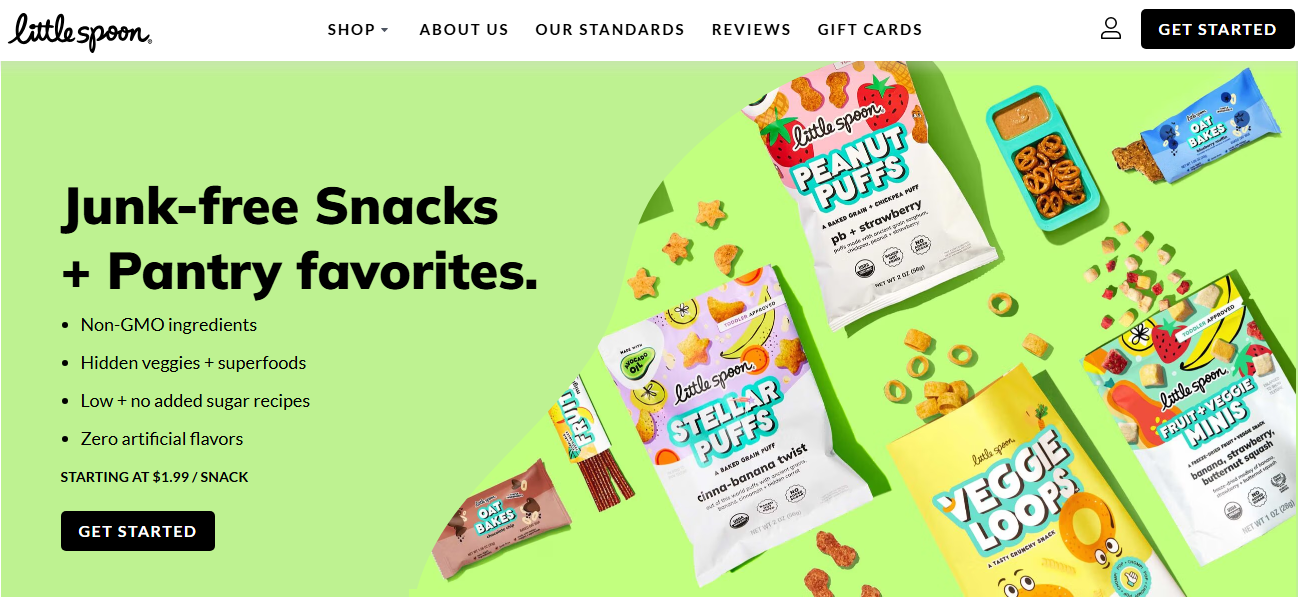
Little Spoon really shines in the snack department with their lineup of Pouches, Quick Bites, and Baby and Toddler Snacks. They have a variety of flavors between their Stellar Puffs, Oat Bakes, Veggie Loops, Fruit Rippers, freeze-dried Fruit + Veggie Minis, and Dipsters. Not to mention the fridge-friendly items like YoGos and Smoothies. More choices means less whining.
Lunches
Admittedly, the lunchbox conundrum has kept me awake at night thinking about how I forgot to buy more bread for sandwiches, and we have nothing suitable for lunch the next day. It’d be a lot easier if there was a microwave to reheat something my child will actually eat, but alas, he has no access to one. Cue the modern-day, healthy version of what we remember as Lunchables.
Little Spoon was first to the game with their bento-style Luncher line. Nurture Life answered the demand by creating a similar selection of their Lunchkins. Both brands have very limited options, with Little Spoon having four choices and Nurture Life having three. In my opinion, they missed the opportunity to just have no-heat options, but both brands have hot and cold selections. Either way, these are great to have in the fridge ready-to-go for those “oh crap, we have nothing in the house” moments.
Proteins Counts
As a parent of two lean children, I’m very partial to checking labels for how much protein they are consuming. This may not apply to everyone, but for those who have to keep an eye on their kid’s nutrition, Little Spoon prints their protein counts on most of their later-stage products. I also feel better knowing I’m serving them something with high protein to hold them over until snack or their next meal. Of course, Nurture Life publishes its nutritional values as well; it’s just not as easy to find at a quick glance.
Pricing, Ordering and Delivery
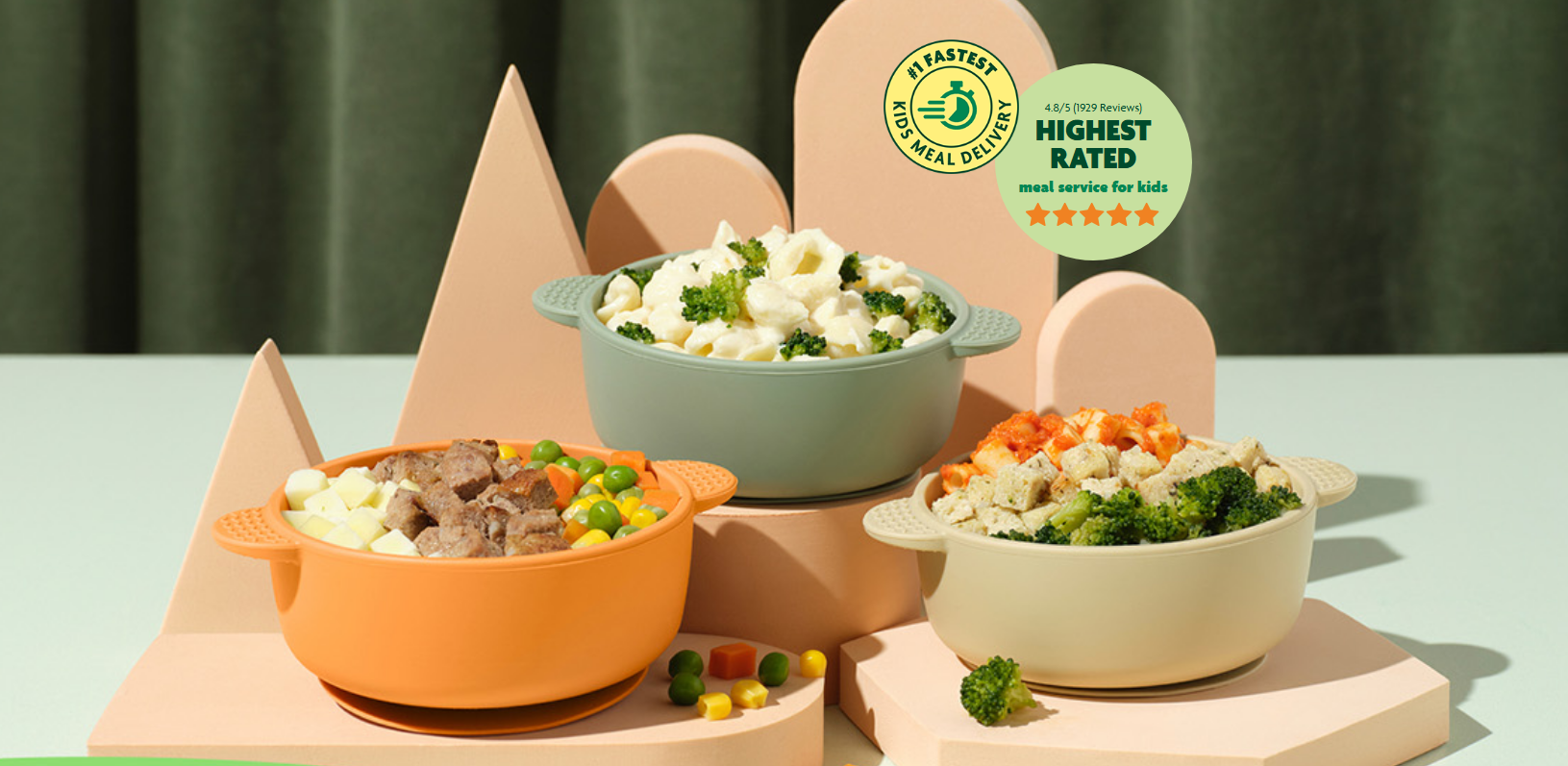
Nurture Life and Little Spoon use the same subscription for ordering online. There is no flat subscription fee, but rather, you pay for what you add to your box. Volume discounts typically kick in with the more items you put into your virtual cart, and an initial sign-up discount is applied with your first order on either service.
| Nurture Life Offerings | Prices Start At |
| Finger Foods | $3.50/serving |
| Kids Meals | $7.69/meal |
| Lunchkins | $7.69/meal |
| Oaties | $6.50/jar |
| Super Sammies | $9.75/box |
| Smoothies | $3.58/bottle |
| Mighty Oats | $7.33/bag |
| Little Spoon Offerings | Prices Start At |
| Babyblends | $3.92/blend |
| Biteables | $6.49/meal |
| Plates | $6.49/plate |
| Lunchers | $7.92/meal |
| Organic Smoothies + YoGos | $2.82/pouch |
| Quick Bites | $1.99/snack |
| Baby + Toddler Snacks | $3.99/multiserve bag |
| Baby Cereal | $5.99/multiserve bag |
| Frozen Kids Food | In-store at Target only; pricing varies |
Nurture Life is on a weekly schedule by default, and Little Spoon’s schedule is bi-weekly, but both make it easy to skip, pause, or cancel. Neither locks you into a fixed plan, so you can customize exactly what is in your box, making it an attractive subscription for a multi-kid household. Load up on just purees if you only have a baby, or if you have a baby, toddler, and big kid, it’s no problem to mix and match categories. It’s easier to manage one box than to have separate profiles or boxes per child.
With Nurture Life, they do require a 7-item minimum per delivery, whereas Little Spoon doesn’t have a published minimum to ship. Both brands ship to the contiguous United States only, but Nurture Life excludes Alaska and Hawaii, and Little Spoon excludes Alaska, Hawaii, and Canada.
Ingredient Standards and Transparency
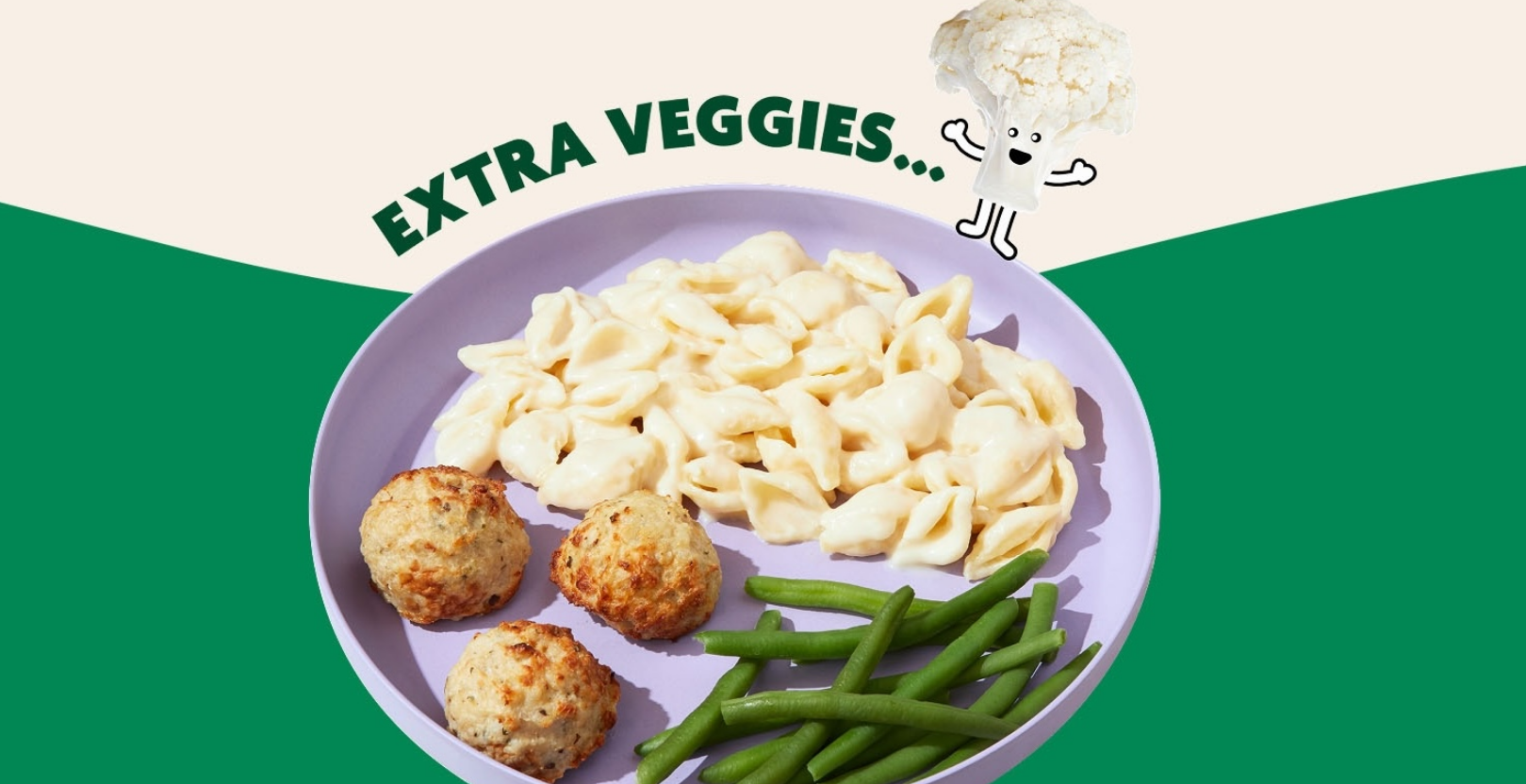
Kudos to both Nurture Life and Little Spoon for their standards and transparency in sourcing. Nurture Life built their reputation on testing for heavy metals throughout their meals, and it’s been a part of their core pitch all along. Little Spoon is slightly different and broader in scope. Every batch is tested across six categories for more than 500 toxins and contaminants. That includes heavy metals, pesticides, and pathogens… and it’s benchmarked against limits stricter than the FDA minimums. They also publish the actual thresholds rather than just rating it as a pass or fail. Honestly, not all brands do this, and they both get a nod of approval from this mama.
So Which One Fits Your Household?
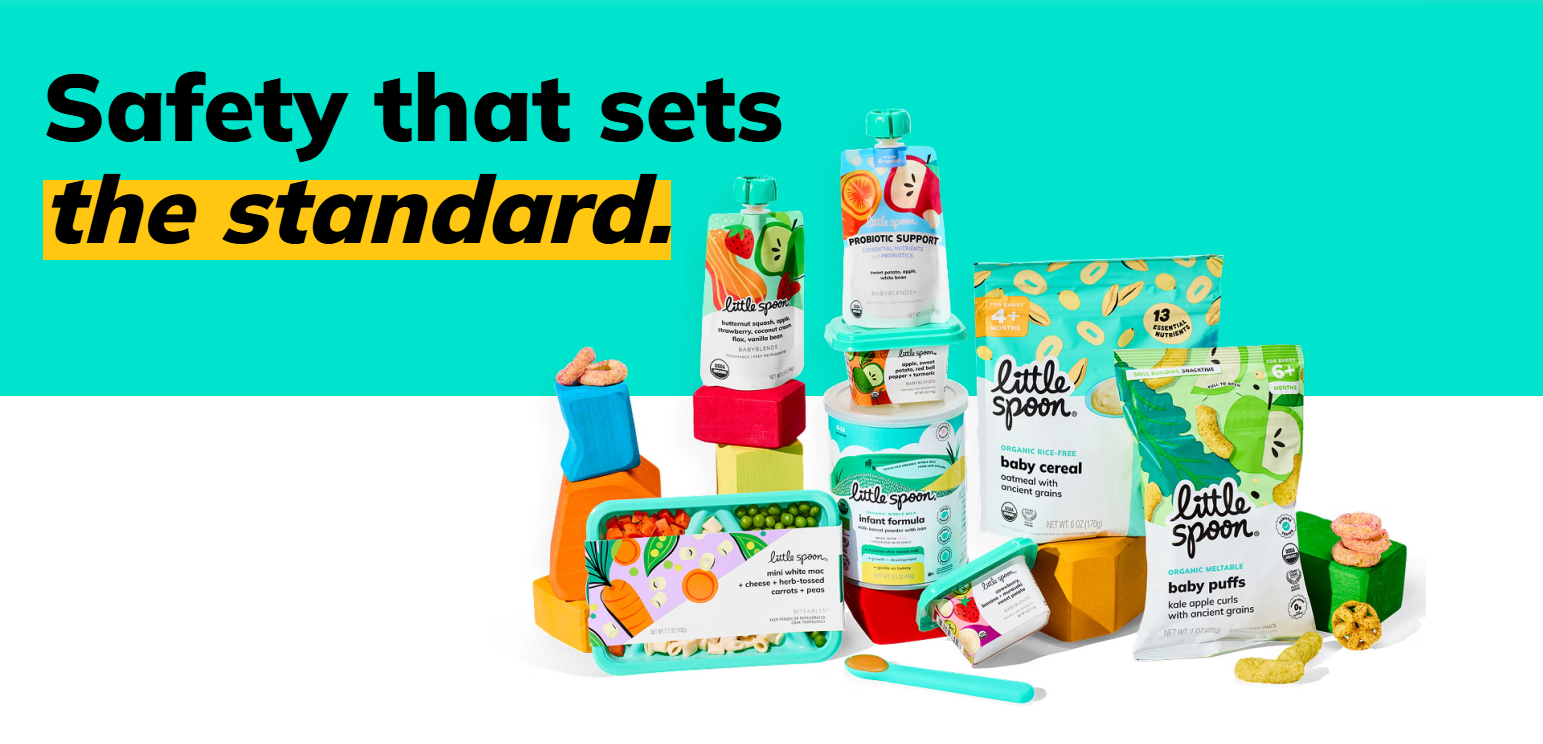
Because they are so closely matched when looked at side-by-side, it ultimately comes down to the details underneath rather than the actual service.
Are you a parent who is constantly looking at the nutritional value label specifically for protein counts? Little Spoon. Are you planning to order meals and snacks? Variety leans to Little Spoon. Does your child require nut-free food? Nurture Life.
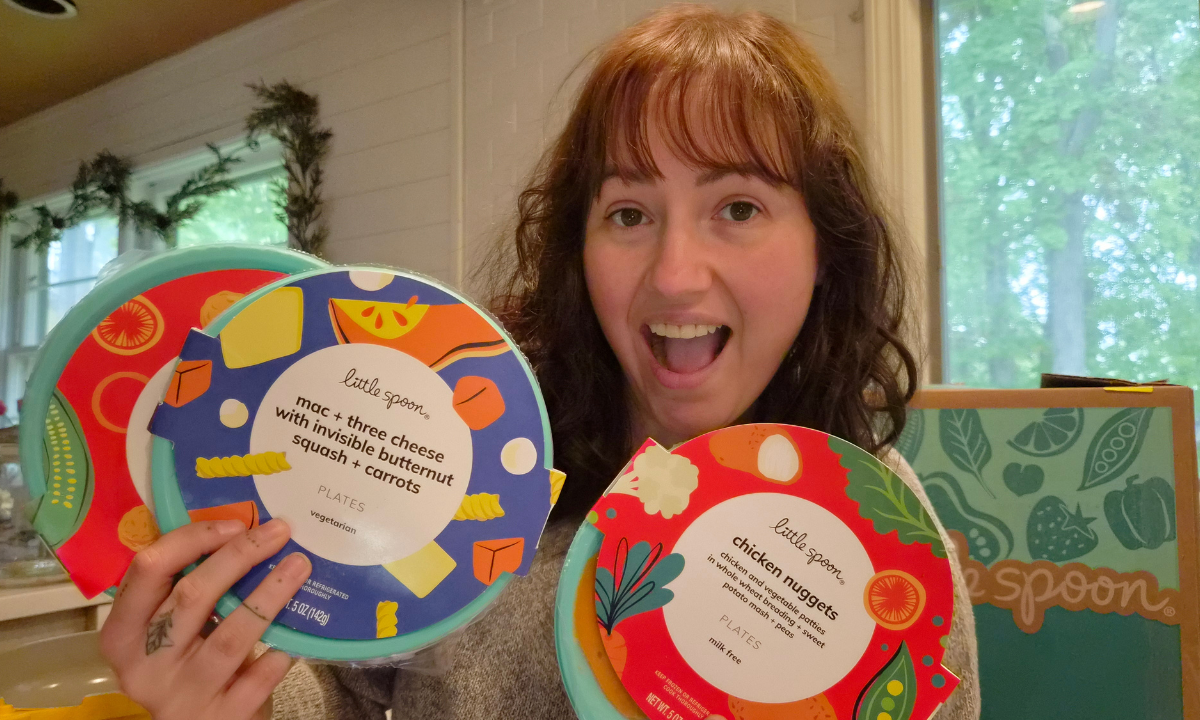
I’m sure you already know this, but the real determining factor is going to be which recipes your child will eat. You can check off every box on your criteria list, just for your kid to favor a cracker they found under the table that’s been there for a week. Neither brand has cracked the code of a child’s brain, but they’ve gotten one step closer by hiding vegetables in their yummy meals. The real head-to-head isn’t happening between the two services; it’s happening every night at your kitchen table, and the judge is under four feet tall, extremely opinionated, and cannot be reasoned with. Good luck out there!

- Nurture Life Vs. Little Spoon - October 2, 2026
- Best Subscription Boxes for New Parents (and What You Will Keep Going Back To) - September 2, 2026