

When people ask me to choose between Trade Coffee and Blue Bottle, I get it. Both deliver genuinely fresh, high-quality coffee. But they are built around fundamentally different ideas of what a great coffee subscription should do, and picking the wrong one for how you actually drink coffee at home is an easy mistake to make.
It’s easier if you first think about what your ideal morning looks like.
If you want to open a bag not quite knowing what you are going to get (a washed Kenyan with bright citrus notes, maybe, or a natural Ethiopian with the kind of berry sweetness that stops you mid-sip) Trade Coffee is your answer.
If you already know the roast profile that works for you and just want it showing up reliably at your door, that is where Blue Bottle earns its place. Where the two really split comes down to how you brew, how much your palate likes to wander, and how much control you want over what lands on your doorstep each week.
At a Glance: Trade Coffee Vs Blue Bottle Coffee Subscriptions
| Feature | Trade Coffee | Blue Bottle |
| Focus / Philosophy | -Discovery and personalization -Matches your taste and routine -Access to a wide variety of roasters | -Consistency and brand experience -Delivers a refined, cohesive flavor every time |
| Coffee Quality | -Trade matches you with 500+ roasted-to-order coffees from 55+ top roasters -Shipped directly -Variety in roast styles and flavor profiles | -Specialty coffee roastery -Shipped quickly after roasting, packaged to maintain freshness up to 100 days |
| Flavor & Roast Styles | -Bright, citrusy light roasts to chocolatey medium-dark blends -Reflects each independent roaster’s style | -Controlled and cohesive -Clean, balanced, slightly lighter roast profiles even in medium/dark options -Focused on clarity and polished finish |
| Subscription Flexibility | -Very flexible: pause, skip, swap coffees -Choose frequency -Control over both variety and cost | -Less flexible -Straight forward, curated options with limited adjustments |
| Variety of Coffees | -Hundreds of coffees from dozens of roasters -Highly personalized selection | -Smaller, curated rotation -Limited to Blue Bottle’s own blends and origins |
| Pricing / Value | $16.99/bag (pay per shipment) or prepay to save — 3 bags for $45.87, 6 bags for $71.34 (both include free shipping) | $26/bag (Single Origin Assortment, 1 bag); save up to 17% on multi-bag orders – 2 bags for $46.80, 3 bags for $64.35 (all include free shipping) |
1. Quality and Freshness
Freshness is where both subscriptions earn their keep, though they get there differently.
Specialty coffee hits its peak somewhere between four and fourteen days after roasting (that window accounts for degassing, the period when CO2 released from freshly roasted beans finishes escaping and the flavors settle into clarity).
After two to three weeks, even a well-sourced bean starts losing its edge.
Trade Coffee
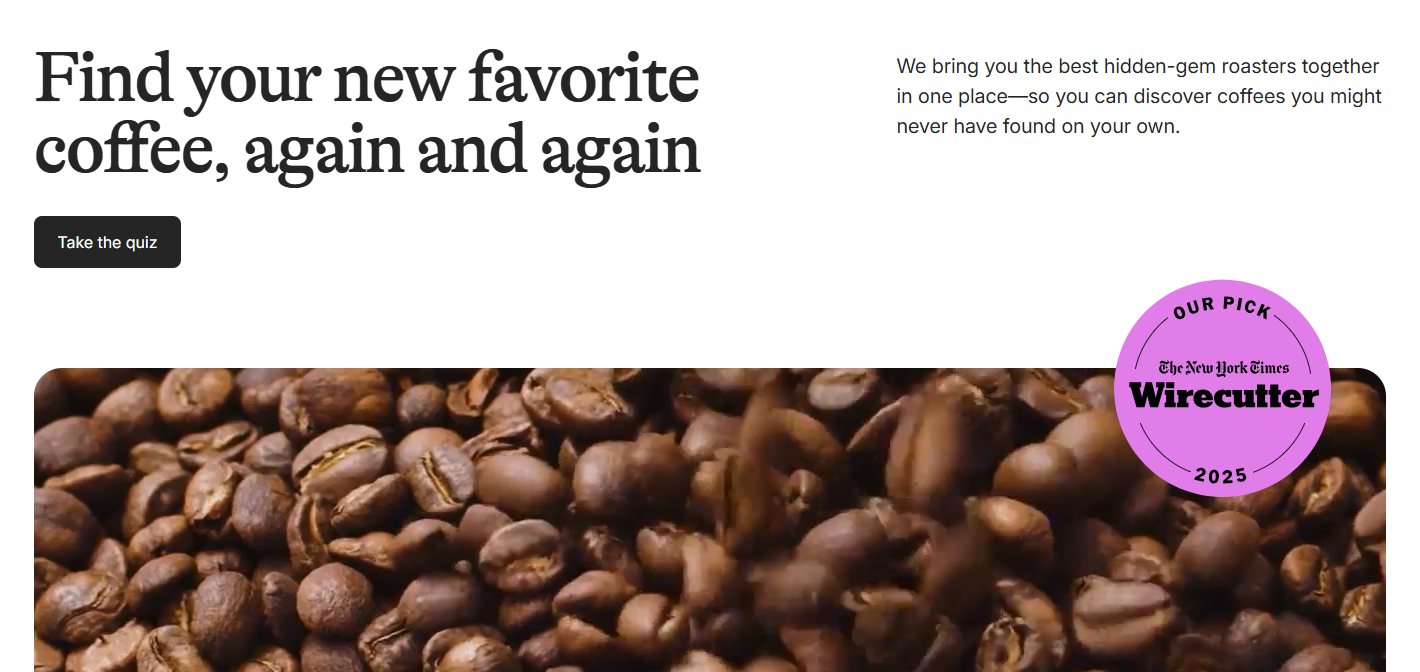
Trade Coffee roasts and ships your order directly from the roaster, so the gap between roast date and your first brew is about as short as it gets outside of buying directly from a local roaster yourself. Each bag comes labeled with its roast date, so you always know exactly what you are working with.
Reviewers consistently note that bags arrive within days of roasting, and if there are ever unforeseen shipping delays, Trade makes it right by crediting you.
Blue Bottle
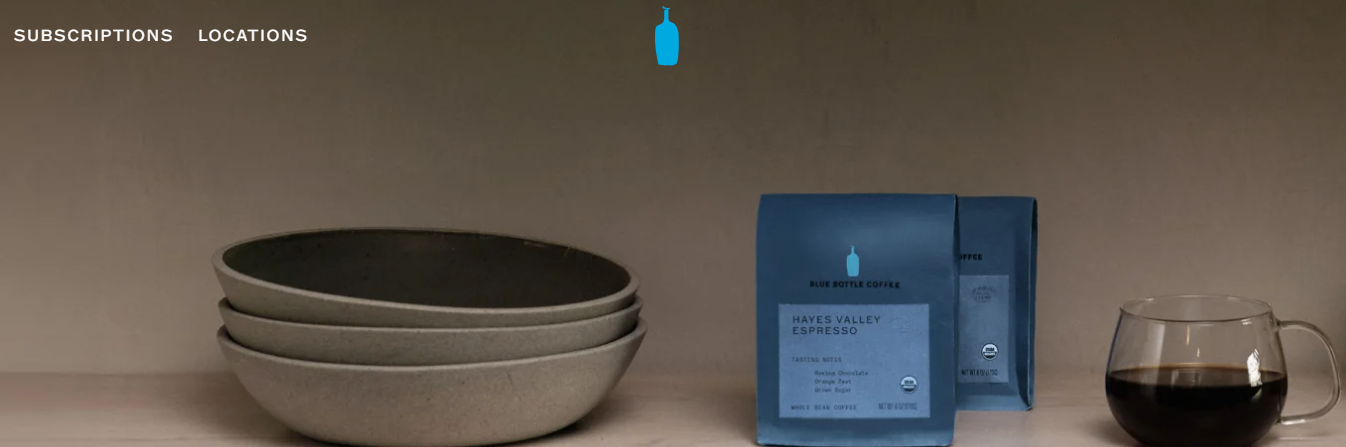
Blue Bottle’s approach centers on highlighting each coffee’s inherent characteristics, shipping within 48 hours of roasting and packaging for longevity. Every coffee receives a custom roast profile, with precise flavor targets and a rigorous scoring system to ensure consistency.
The tradeoff is variety (you are working within Blue Bottle’s own range rather than across dozens of independent roasters) but if a reliable, consistent cup is what you are after, their process delivers exactly that.
2. Flavor Profiles and Roast Styles
The flavor and roast of coffee can completely change how your morning cup tastes.
Some beans highlight bright, citrusy notes, while others bring out chocolatey, nutty, or caramel flavors. Picking the right roast for your taste matters because the coffee you enjoy one way in a pour-over might feel completely different in another cup.
Flavor is where the two subscriptions diverge most clearly, and where your own preferences should do most of the deciding.
Trade Coffee
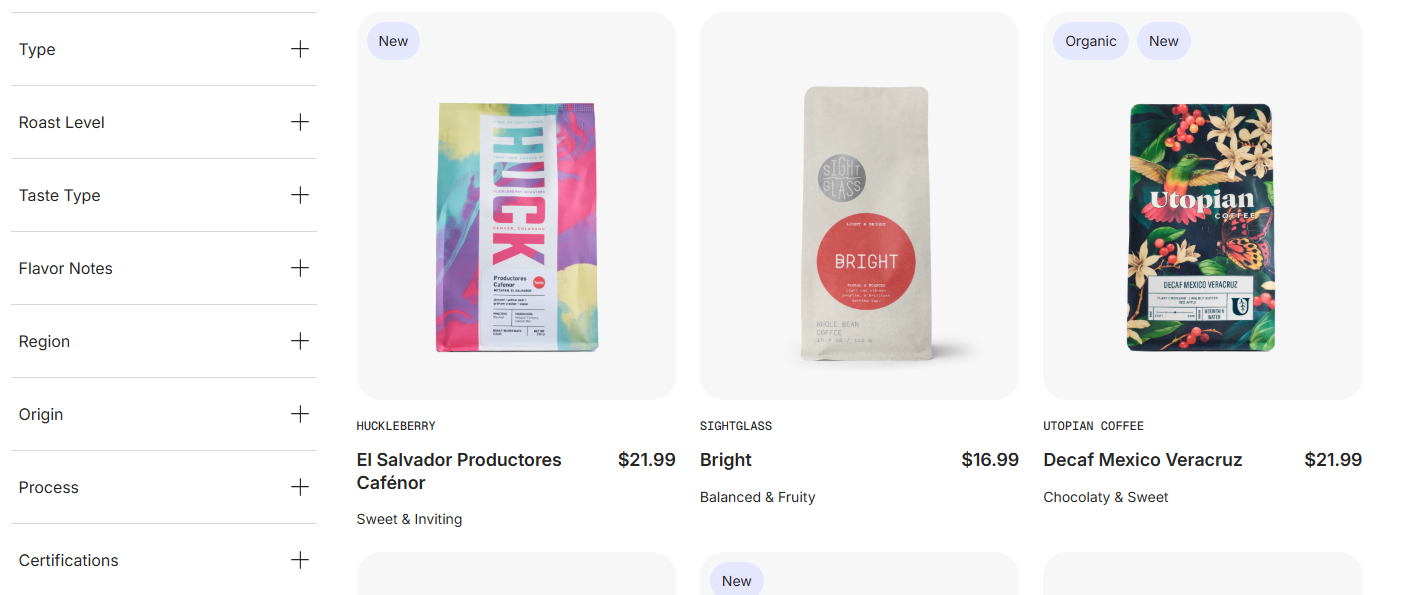
With Trade Coffee, the range is genuinely broad, with hundreds of roasters, blends, and more from nearly every coffee-producing country in the world, including experimental processing methods and microlots you would be unlikely to find elsewhere.
A light, washed Ethiopian (where the fruit is removed before drying, producing a cleaner, brighter cup) one week might be followed by a full-bodied, natural-process Colombian the next.
The flavor story changes with each roaster, which makes Trade Coffee particularly rewarding if you pay attention to tasting notes and enjoy dialing in something new.
Also, if your first bag misses the mark, Trade Coffee will replace it for free, which says something about how seriously they take their freshness promise.
Blue Bottle
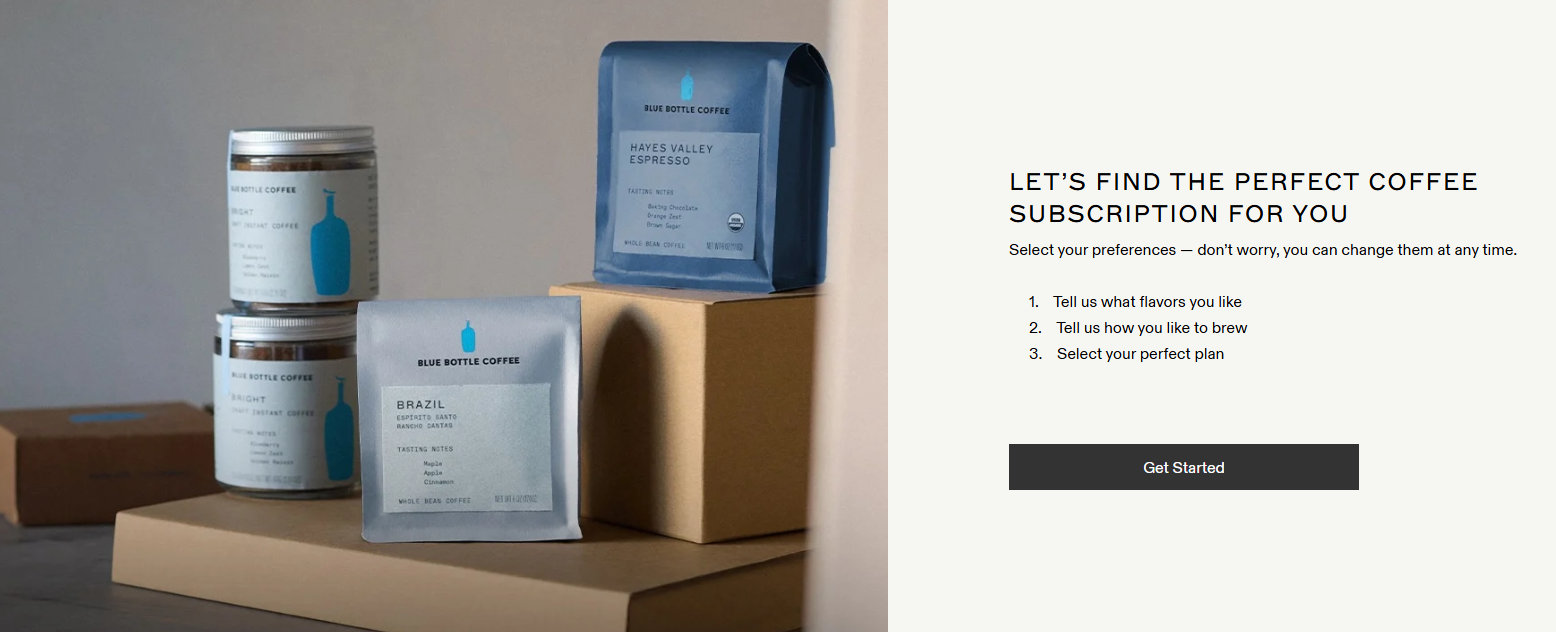
Blue Bottle organizes its range into three profiles: Bright, Balanced, and Bold.
Their house style leans toward clarity (lighter profiles that preserve origin flavors and acidity, with each batch carefully profiled to optimize extraction potential and flavor clarity).
Standout options include the Three Africas blend (fruity and bright, with notes of golden raisin and blueberry) and Giant Steps (dark caramel, cocoa, and toasted marshmallow for those who want something richer).
There is less range than Trade Coffee, but that is a deliberate choice: if you have settled into a profile you love and want it delivered reliably, Blue Bottle’s consistency is the point, not a limitation.
3. Brew Method Compatibility
Brewing makes a bigger difference than most people realize. A coffee that tastes amazing from a pour-over might come out flat in a drip machine, and a roast meant for espresso could be too strong for a French press. Knowing whether a subscription adapts to your equipment (or expects you to adjust) can save you from a frustrating cup.
Trade Coffee
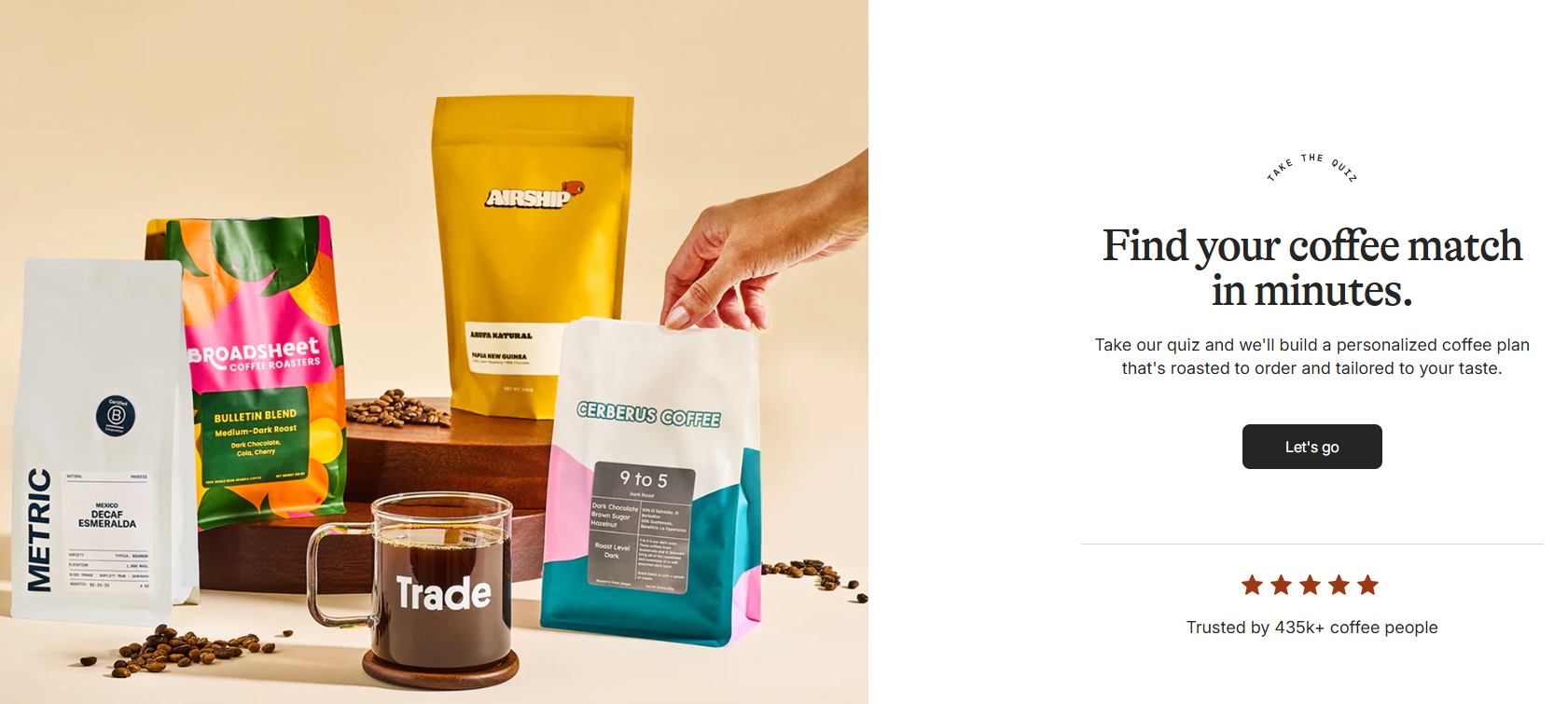
Trade Coffee asks about your brew method during sign-up and matches coffees accordingly.
You start with a quick taste quiz covering your preferred roast level, brewing method, and flavor notes, and the platform refines its recommendations based on your feedback with each delivery.
Brewing on a pour-over? You will tend to get coffees that reward slower extraction and highlight clarity. Running an espresso machine? Trade Coffee will steer you toward roasts with enough body and sweetness to hold up under pressure.
That alignment between coffee and equipment is one of the more underrated parts of what Trade Coffee does well.
Blue Bottle
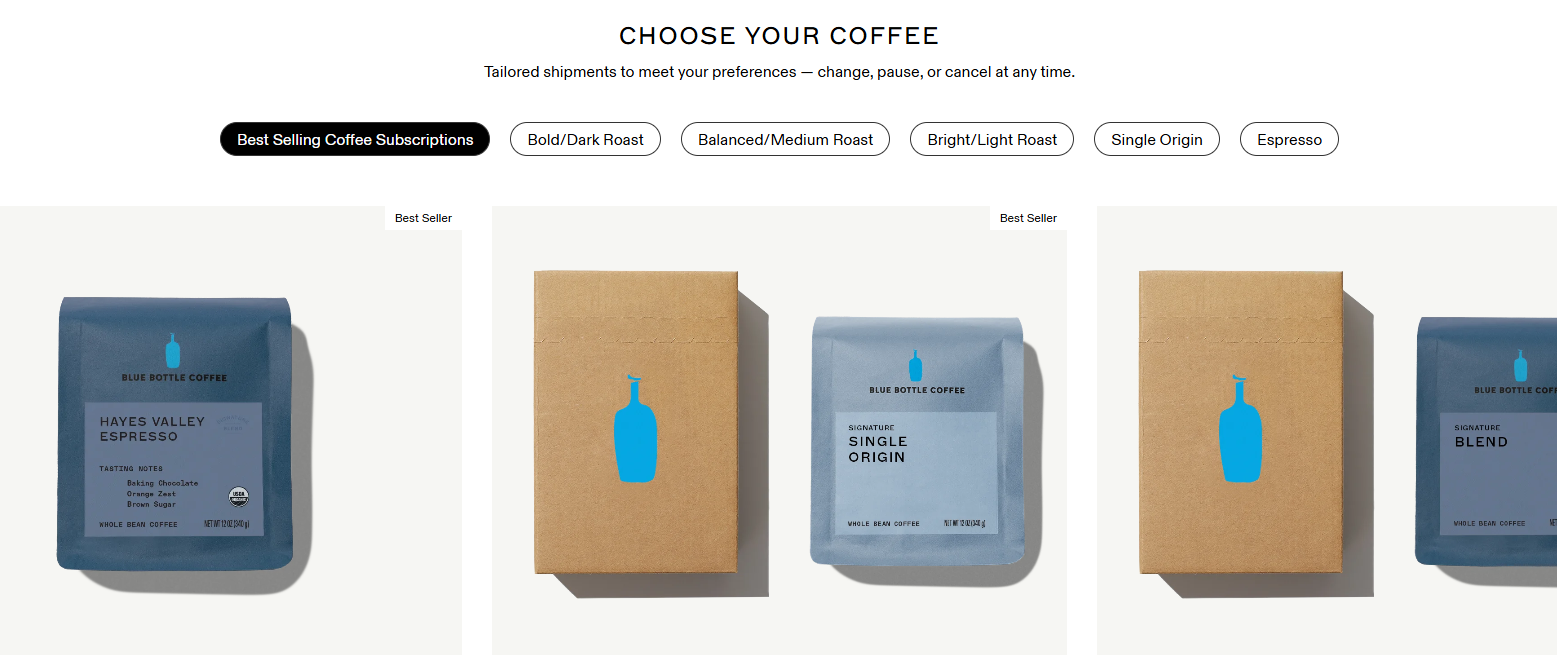
Blue Bottle offers a flavor-matching quiz of its own, covering how you brew, whether you drink it black or with milk, and even questions about flavor preferences beyond coffee.
Their lineup is versatile enough to cover the common methods (drip, pour-over, espresso) and they include detailed brew guides with each order.
Worth noting: Blue Bottle only sells whole bean coffee, so a grinder is non-negotiable. Trade Coffee gives you the option of whole bean or pre-ground to your chosen method.
4. Price and Subscription Flexibility
The two different subscriptions can vary widely in both cost and control. Some let you change things week to week, while others are more hands-off, delivering a consistent experience regardless of what you like or how often you drink coffee.
Trade Coffee
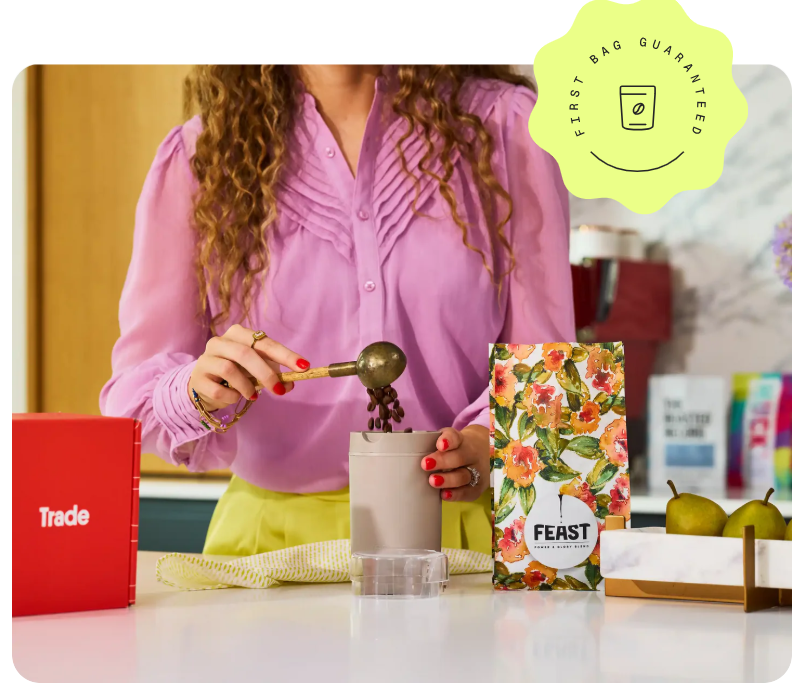
Trade is generally more flexible and often more budget friendly, depending on what you choose.
Trade Coffee’s average subscription pricing runs $16.99 per bag on a pay-per-shipment basis, with $3.99 shipping added per order. There is better value in prepaying: three standard bags (with 10% off) comes to $45.87 with free shipping, and six standard bags (with 30% off) drops to $71.34 with free shipping.
That works out to roughly $11.89 per bag at the six-bag rate, which is a strong price point for specialty coffee delivered fresh from independent roasters.
Most bags land somewhere in the mid-range specialty price tier and because by price, roast level and frequency it’s easier to control what you’re spending week to week. Shipping is typically included and you can pause, skip or swap coffees without hassle.
Blue Bottle
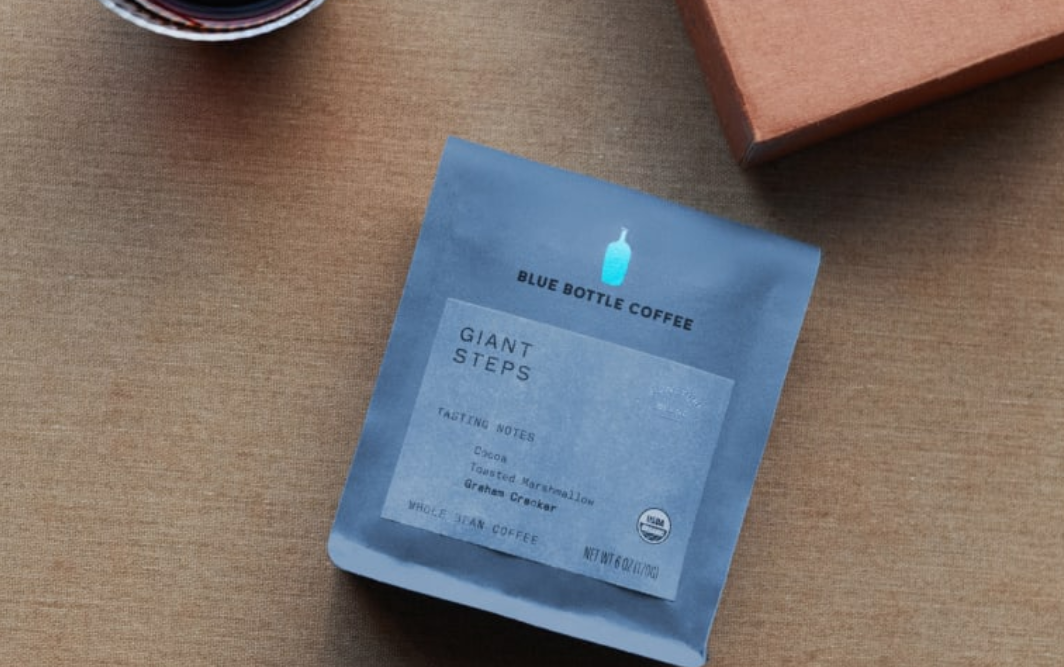
Blue Bottle’s Single Origin Assortment subscription starts at $26 per bag with free shipping included and no shipping fee to factor in. Multi-bag orders bring the per-bag cost down meaningfully: two bags run $46.80 (down from $52) and three bags come to $64.35 (down from $78), representing up to 17% in savings.
All tiers include free shipping and can be cancelled anytime.
Compared to Trade Coffee, Blue Bottle sits at a higher base price per bag, though the free shipping and multi-bag discounts close that gap somewhat. What you are paying for is consistency and the depth of Blue Bottle’s in-house sourcing and roasting standards rather than variety across multiple roasters.
Which One is Right for You?
If you find yourself paying close attention to where a coffee comes from, how it was processed, and whether your current bag is pulling better as espresso or pourover, Trade Coffee is the right fit. The access to hundreds of coffees from independent roasters, matched to your taste and brew setup, is hard to replicate elsewhere at this price point.
If you have already settled into a roast profile you love and want that experience delivered reliably without having to think about it, Blue Bottle makes a strong case. The quality is consistent, the flavor approach is cohesive, and the subscription requires very little from you beyond choosing a frequency.
Honestly, Trade Coffee rewards curiosity, and Blue Bottle rewards certainty. Knowing which one describes you and your preferences will help you make the best decision.

- 10 Specialty Coffee Roasters Worth Trying in Your Hunt for New Coffee - September 28, 2026
- The Best Coffee Subscriptions for Dark-Roast Espresso Drinkers - September 9, 2026
- Best Small-Batch Espresso Roasters Worth Discovering - August 26, 2026