


In the coffee subscription game, Trade and Atlas are two names that you’re gonna see everywhere. But what’s the difference between the two? And which one is better for you?
As a 100% Certified Coffee Person (barista for multiple years and Chemex devotee), I wanted to look at both of them and really get to the bottom of what each of these has to offer.
Here’s a quick guide to help you decide which coffee subscription is right for you based on how you explore coffee:
Trade Coffee vs. Atlas Coffee Club: At a Glance
| Feature | Trade Coffee | Atlas Coffee Club |
| Concept | Coffee from U.S. roasters, matched to your taste | Global coffee by country |
| Coffee Type | Blends and single origin | Single origin only |
| Customization | Very high with detailed preferences | Moderate with basic preferences |
| Variety | Very large selection, 500 plus coffees | Rotating selection, one origin at a time |
| Roast Control | Highly flexible across roast levels | Good but tied to monthly selection |
| Formats | Whole bean and ground | Whole bean, ground, pods |
| Education | Informative blog posts with how-to guides and emails about the roasters themselves | Includes coffee roaster origin stories |
| Flexibility | High, easy to adjust deliveries | High, easy to pause or change |
| Guarantee | First bag guarantee | 30 day money back guarantee |
Trade Coffee Overview:
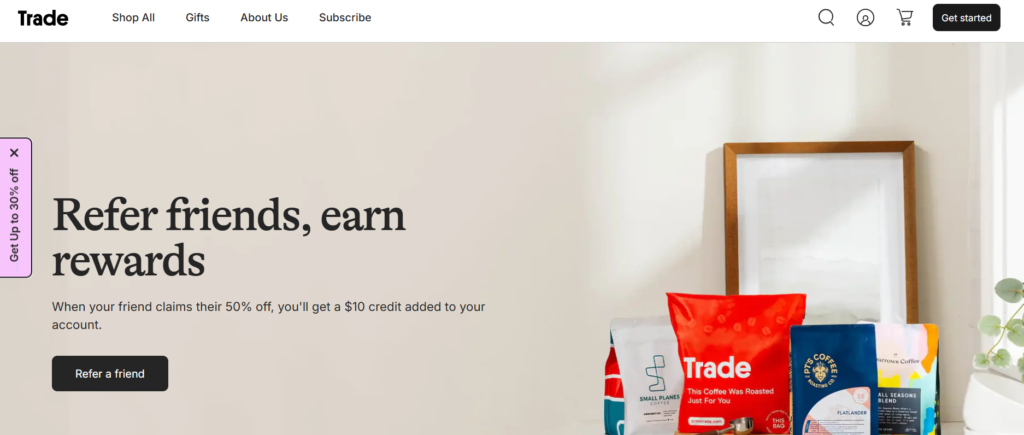
Trade feels more like a smart recommendation system than a fixed subscription. After the initial quiz, your ratings and preference updates continue to shape what you get, so the service improves the longer you use it.
One thing that sets it apart is access to smaller U.S. roasters you would not typically buy from directly. That gives it a marketplace feel and makes it easier to discover coffees you would not run into locally.
On the practical side, you can choose between 1 or 2 standard 10.9 oz bags or a 2 lb option, with deliveries every 2 or 4 weeks. The ability to swap or replace a bag you do not like keeps the risk low while you figure out your taste.
Keep reading: What is Trade Coffee Really About? – Reviewed by a Coffee Expert
Atlas Coffee Club Overview:
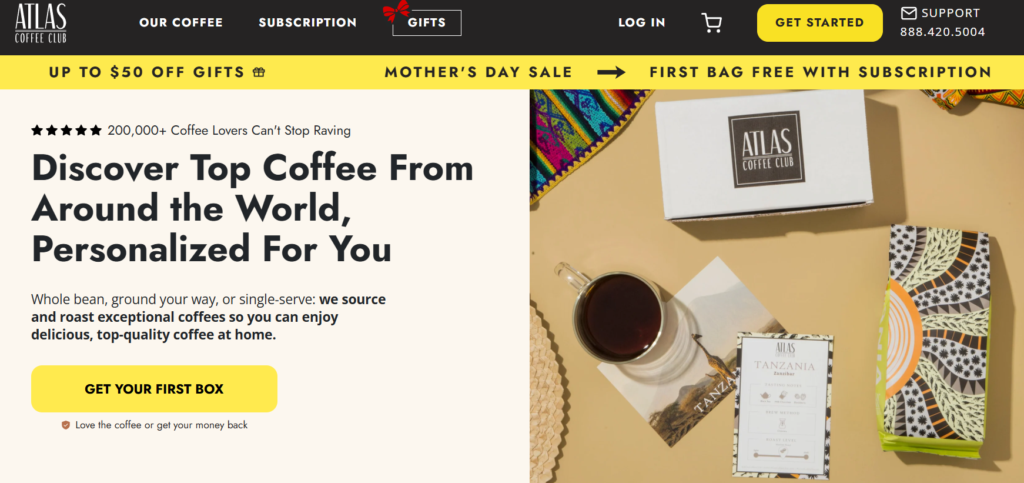
Atlas is built more like a guided experience, where each delivery is tied to a specific country and designed to highlight how origin affects flavor. Instead of optimizing around your preferences, it walks you through a curated rotation.
The added materials are a big part of the appeal. Each shipment includes tasting notes and a postcard with background on the region, which helps connect what you are drinking to where it came from.
In terms of setup, you choose whole bean, ground, or pod formats, along with roast and caffeine preference. You can select 1 or more bags and set deliveries every 2 or 4 weeks. The subscription is easy to pause or adjust, so it stays low commitment even if your routine changes.
Customization Options for Each Brand
In general, Trade has better customization options, since you create a highly personalized profile about what kind of beans you prefer, and can edit your preferences as you explore. While Atlas does consider your preferences, they are limited to a rotating selection of single-origin coffees.
Trade Coffee
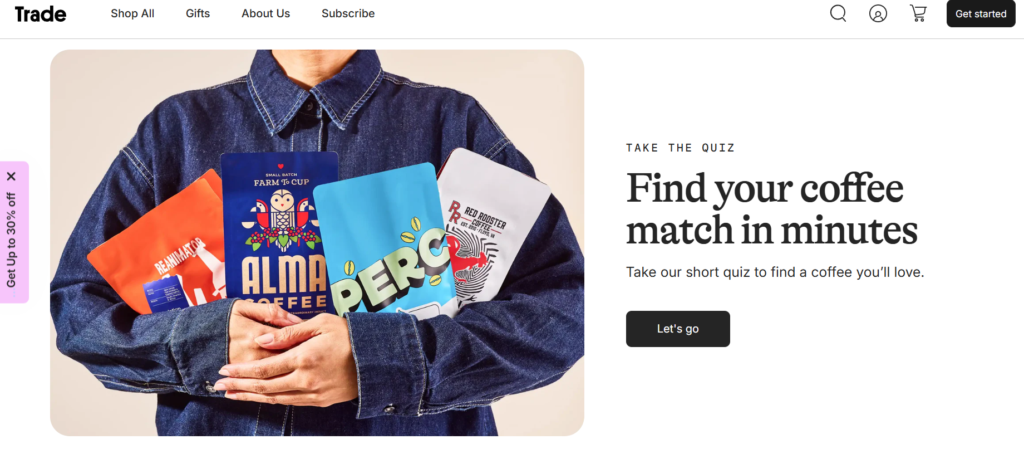
Trade Coffee’s customization options for their subscription are unmatched among other coffee bean subscriptions. You get to set up a profile with what you like, including:
- Roast preferences
- Desire to try new brews
- Brewing method (espresso, French press, pour over, etc.)
- How you take your coffee (black, with milk, etc.)
- Flavor notes like floral, fresh fruit, nutty, and chocolatey
You’re able to update your profile preferences as you go, fine-tuning your subscription as you discover what kind of beans you like and don’t like. Because they have so many roasters and beans, you’re sure to find a blend or single-origin that’s exactly what you want.
Atlas Coffee Club
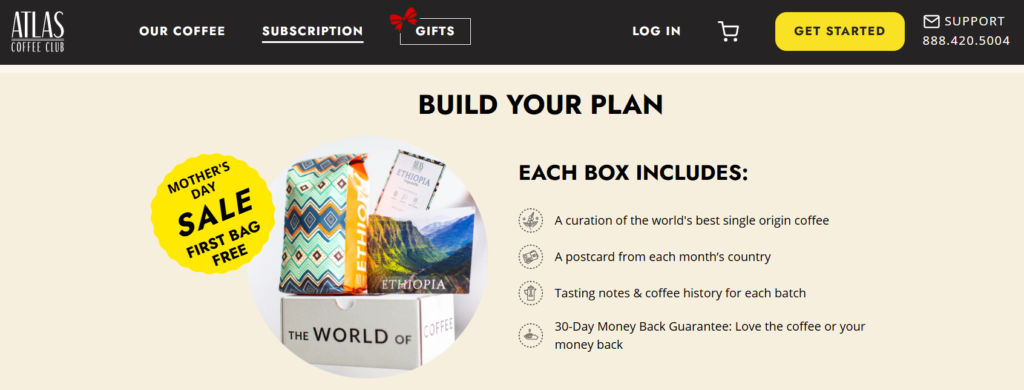
Customization with Atlas Coffee Club is a bit more limited, since they focus only on single-origin coffees rather than a wide variety of options from different roasters.
Still, you select preferences on:
- Roast level
- Coffee drinking style
- Caffeine preference
You also have the option to rate each coffee you get as you go so that you can understand what you like and don’t like better.
Roast Selection Control
You get pretty great roast selection control with both options, but Trade offers a bit more control over which roasts you get in your subscription. You can try different roasts with both, but you have more options in your preferred roast with Trade’s subscription over Atlas’s.
Trade Coffee
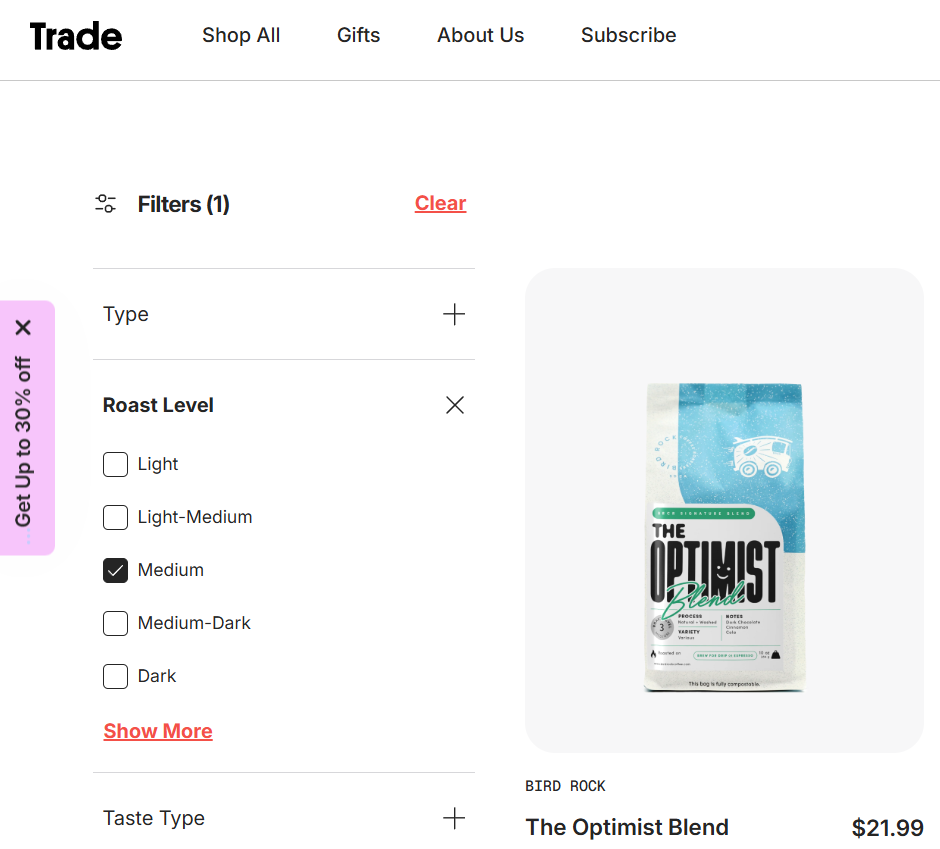
With Trade Coffee, you can get really specific with roast selection. You can choose multiple options from light, light-medium, medium, medium-dark, and dark to get a variety of roasts that you love. You also get to update these preferences as you go.
Trade has dozens of different beans for each roast level, so you’re sure to get multiple beans you’ll love in your favorite roast, even in your favorite roast changes while you go through your journey exploring different beans.
Atlas Coffee Club
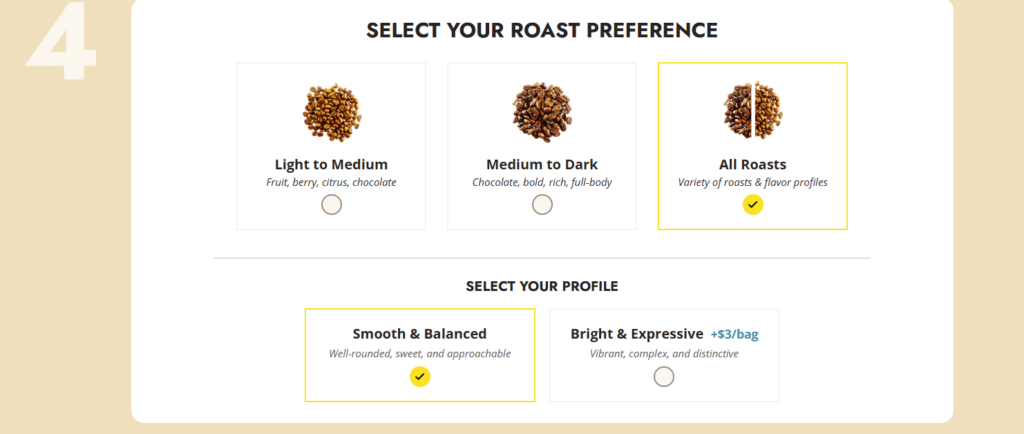
With Atlas Coffee Club, you still do have the ability to control your roast preference, you’re just limited to a single-origin bean. They roast each batch to order, so you will get their single origin bean from the country of the month roasted to your desired level.
You can choose from light/medium, medium/dark, espresso roast, light roast only, medium roast only, dark roast only, extra dark, or decaf. If you change your mind, you can always go back into your account and change your roast level preference down the line.
Long-Term Variety Potential
When it comes to the potential for long-term variety, there is a significant difference in the amount of roasters and beans you can choose from. Trade offers hundreds of coffees from dozens of independent roasters, while Atlas focuses on a rotation model of different single-origin coffees.
You’ll get to try a wide variety of coffees with both, so you won’t get bored with either subscription, but Trade simply offers more.
Trade Coffee
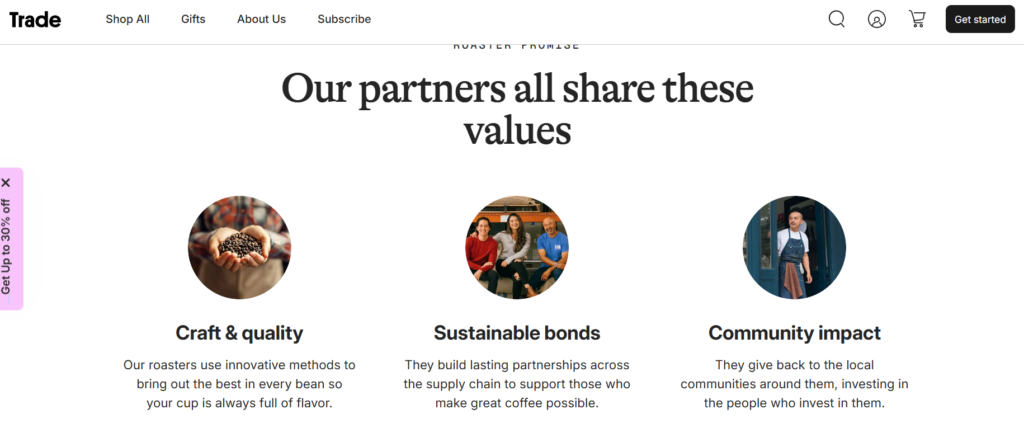
Trade nails variety by offering a little something for everyone. They partner with:
- 55 plus independent roasters
- 500 plus total coffee options
You’ll find everything from:
- Nutty, mild medium roasts
- Bright and fruity light roasts
- Fermented or anaerobic coffees for something more experimental
- Rare or limited batches
Some of their most popular beans include Space Cadet, a chocolatey extra sweet medium roast blend from Atomic Roasters out of Peabody, MA, and Heirloom, a light-medium nutty blend with a hint of cherry from Common Voice in Nashville, TN.
I got the Costa Rica La Pastora single origin light-medium roast from Methodical, based out of South Carolina. It’s sweet and bright and perfect for a daily pour over, and I’m personally a huge fan of it.
Atlas Coffee Club
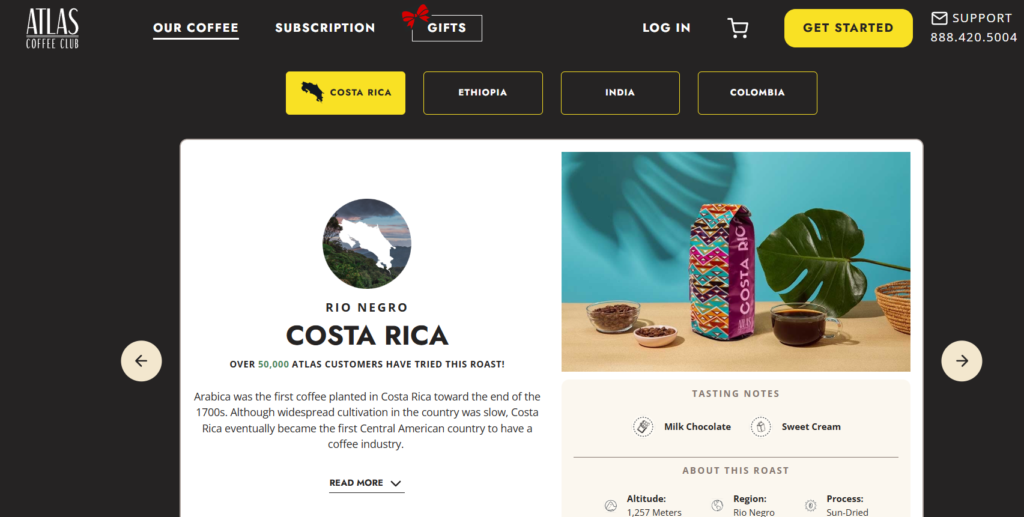
As for Atlas, you do still have the potential for long term variety, it’s just quite a bit more limited when compared to Trade.
With Atlas, you get:
- A new country of origin each cycle
- Coffee roasted to your selected preference
- A structured rotation rather than open selection
They source from many different countries, so you still get a sense of global range over time.
It is more of a rotation model since they do focus entirely on offering single origin beans, so it’s not worse, just a different experience.
I tried their Vietnam Son La beans in a medium roast and it was mellow, earthy, and lightly sweet, with notes of pear, raisins, and custard. I find it super easy to sip on and generally pleasant.
Which Coffee Subscription Brand is Best for You?
Which one is better comes down to what you want out of your coffee routine.
If your goal is to dial in your personal taste and eventually land on a go-to coffee you love, Trade Coffee makes more sense. Its strength is helping you refine your preferences over time, not just expose you to new beans. You are actively building a sense of what roast levels, flavor notes, and roasters work for you.
If you are more interested in experiencing coffee as a window into different parts of the world, Atlas Coffee Club leans into that. It is less about optimization and more about exploration, giving you a structured way to connect flavor with origin, climate, and culture.
The useful takeaway is that these subscriptions are built around two different ways of learning coffee. One teaches you inward, by sharpening your own preferences. The other teaches you outward, by showing how place shapes what you taste.
If you are not sure which you fall into, pay attention to how you usually make decisions. If you tend to tweak, compare, and optimize, you will probably get more out of Trade. If you prefer a set path with origin as your guide, Atlas will likely feel more rewarding.
But much of what shapes how a coffee tastes happens at the farm and processing level, and in the roast, not just the country it came from. So, while Atlas has that “far away” feel, Trade is more likely to feel like it was built around its roasters, you, and your tastes.

- The Best Atlas Coffee Club Alternatives - June 17, 2026
- Trade Coffee vs. Atlas Coffee Club: Subscription Brands Compared - May 8, 2026
- 7 Pretty Litter Alternatives - March 22, 2025