As a veterinarian, I’ve done quite a bit of research and counseled many pet parents, and the fact that you’re comparing We Feed Raw with Darwin’s tells me you’re on the right track. There’s a good reason why these two brands are among the most recognized names in raw feeding.
Both We Feed Raw and Darwin’s are based on the same idea of feeding dogs biologically appropriate, meat-based diets. However, there are other factors to consider, such as processing, safety protocols, consistency, and day-to-day usability.
At a Glance
| We Feed Raw | Darwin’s | |
| Food Type | Raw, frozen | Raw, frozen |
| Processing Method | High pressure processing (HPP) | Organic‑acid bath |
| Safety Testing | USDA-inspected meats, third-party contaminant testing + Clean 16 recognition | In-house safety protocols; limited public third-party validation |
| Formulation | Pre-portioned, complete & balanced | Complete diets + some customizable options |
| Subscription Model | Fully customized, auto-shipped | Subscription required, less flexible onboarding |
| Portioning | Individually packaged meals | Bulk packaging; requires portioning |
| Transparency | Strong emphasis on sourcing + safety standards | Focus on ingredient sourcing; less emphasis on external validation |
| Ease of Use | Very beginner-friendly | Better suited for experienced raw feeders |
Nutrition: Ingredient Philosophy and Sourcing
We Feed Raw: PhD-Formulated
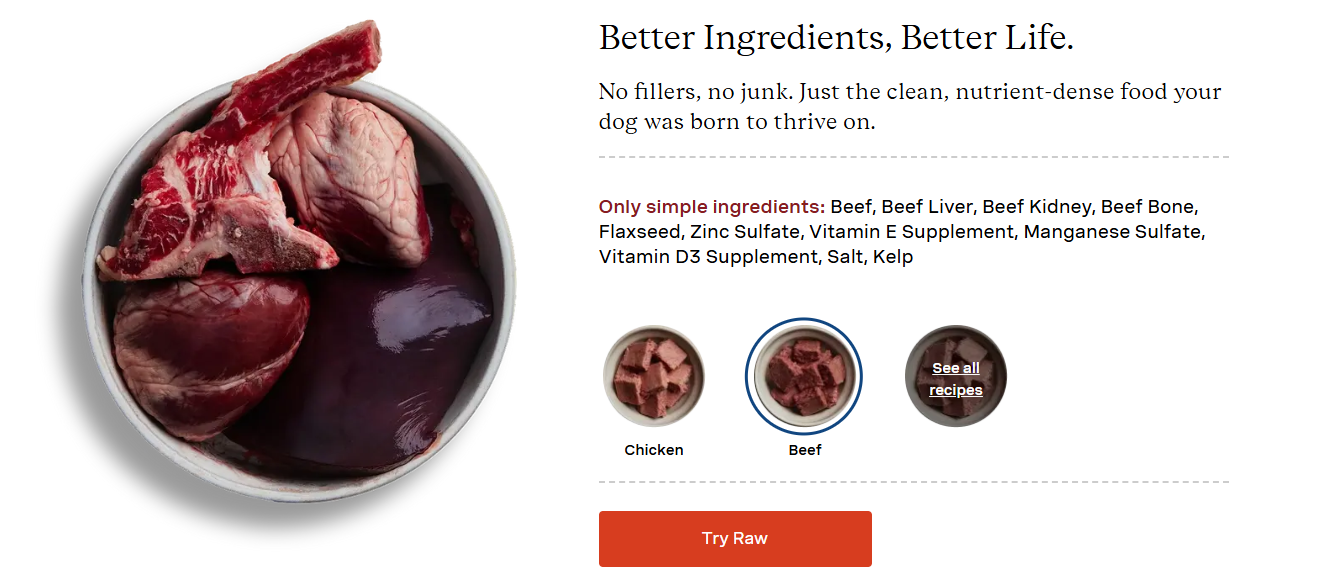
Like many raw food manufacturers, We Feed Raw bases its diets around the simple concept that dogs are meant to eat animal-based, minimally processed foods that mimic their ancestors’ diets.
Formulated by a PhD in animal nutrition with over 30 years of industry experience, their meals include muscle meat, organ meat, ground bone, and minimal additional ingredients (primarily just the required vitamins and minerals needed to exceed AAFCO standards). They stress USDA-inspected meats, clearly defined sourcing standards, and predictable formulations from batch to batch.
Darwin’s: Ethically Conscious
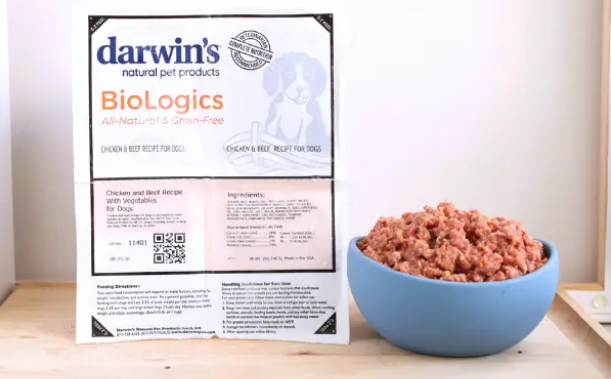
Meals from Darwin’s have a high proportion of animal protein — usually 70% to 75% meat and organs. The brand does add vegetables and a small nutrient mix to achieve balance, but it’s clear that their philosophy is meat-first, with plant ingredients playing a secondary, supportive role. Darwin’s also stresses that their ingredients are consciously sourced and of USDA quality, meeting specific standards for animal welfare and production practices — which is very appealing to many people.
Their Premium Natural Selections line uses terms like grass-fed, pasture-raised, or cage-free to describe their sources and says that all ingredients are free of added hormones, steroids, or antibiotics. They also have a more affordable, Biologic line that uses conventionally raised meat and vegetables, creating a tiered system that makes raw food affordable to individuals who can’t afford the premium line while still maintaining a consistent overall formulation approach.
Processing and Food Safety
We Feed Raw: Safety Through HPP
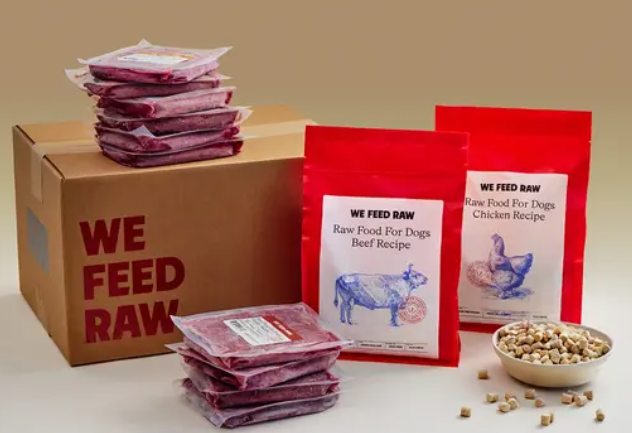
We Feed Raw uses high pressure processing (HPP) to reduce harmful bacteria like Salmonella, Listeria, and E. coli by applying extreme high pressure via cold water. As this method does not use heat, it doesn’t cook the food, and therefore maintains the nutritional integrity and raw structure of proteins. I think it’s important to point out that HPP isn’t only used in raw pet companies, it is also used in the “human-food” industry as well and is an approved, industry standard.
They also use USDA-inspected ingredients and every batch undergoes third-party inspection for pathogens and contaminants before shipping. They were actually listed in the Clean 16 — an independent safety recognition program that looks for contaminants like pathogenic bacteria, antibiotic residues, and environmental toxins.
Darwin’s: Organic-Acid Baths

Darwin’s combats pathogens by washing their food with a lab‑validated organic‑acid bath. They also source human‑grade meats and produce from farms that they regularly audit and require suppliers to apply an antimicrobial wash before shipping.
Although their food is generally safe, it’s important to look at their track record: In 2024, the FDA issued multiple recalls for certain lots of Darwin’s Natural Pet Products due to pathogen contamination.
Portioning and Convenience
We Feed Raw: Designed for Simplicity
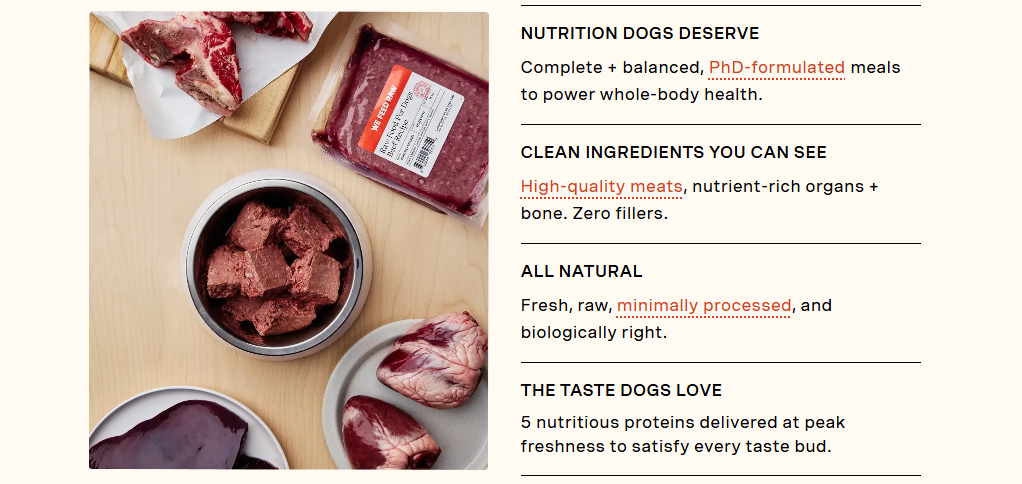
One of the most common concerns that dog parents have with raw feeding is the consistency required — getting portions right, staying on schedule, and not overcomplicating things.
We Feed Raw addresses those concerns directly with pre-portioned meals that are individually packaged, ready to thaw and serve.
Darwin’s: Hands-On

Darwin’s food arrives in bulk packaging, which means that meals need to be portioned manually, storage requires more planning, and feeding takes more time overall.
Some pet parents have no problem with that level of involvement (many even enjoy it). On the other hand, some people find that this extra effort leads to inconsistency, especially in busy households or multi-dog homes.
Subscription Model and Ordering Experience
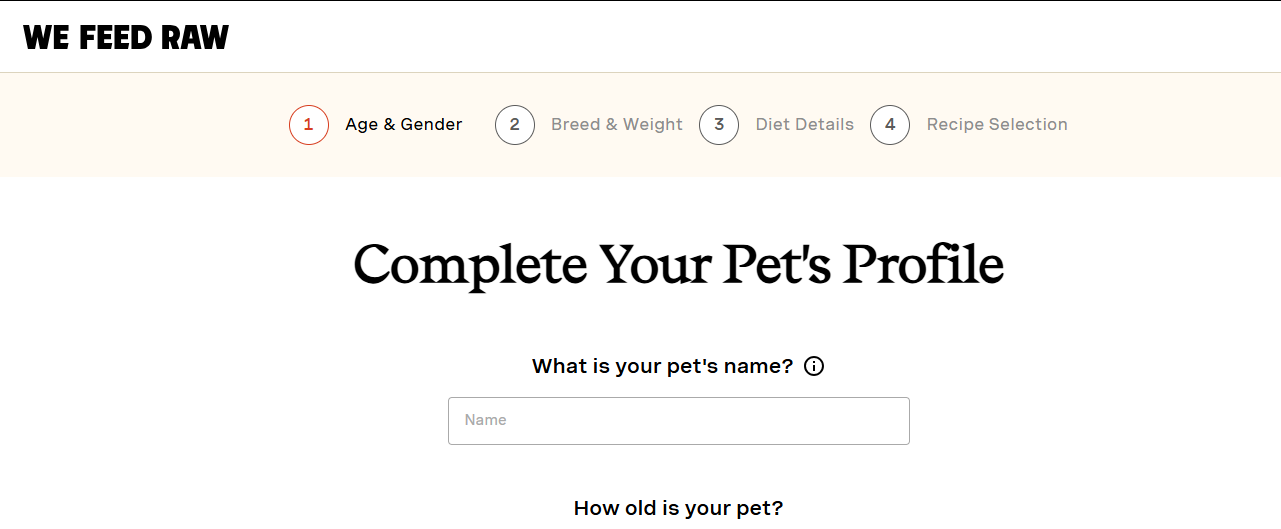
We Feed Raw: Streamlined & Clear
We Feed Raw customizes your subscription based on your pet’s age, weight, activity level, and body condition. After you enter this information in its online calculator, it will automatically determine your dog’s calorie needs and send you pre-portioned meals. This removes a lot of the normal guesswork surrounding raw feeding and helps you avoid overfeeding or underfeeding. You can select your goals for your pup, your concerns, and even any allergies.
Darwin’s: Fine-Tuning Required
Darwin’s subscription plan is much more manual. The portioning is less automated, and any adjustments will need more input from you.
If you’re an experienced raw feeder, this may pose no problem. For beginners, it will likely feel much less streamlined than you’d like.
Price
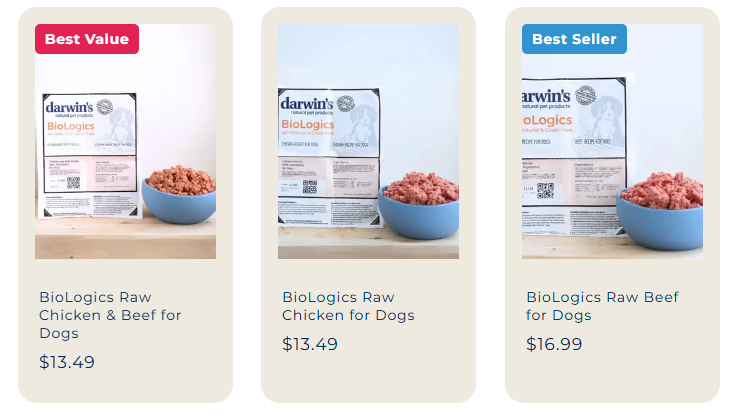
Raw feeding will almost always cost more than kibble, the higher quality protein will do that to a price tag. But even within raw brands, pricing varies. That said, there’s no clear comparison between We Feed Raw and Darwin’s — the exact cost depends on the formulation you choose, your dog’s size, and how much you’re ordering.
Generally speaking, though, Darwin’s will tend to be the cheaper option, especially if you go with their Biologic line, which uses conventionally raised meats and vegetables rather than the premium ingredients in their Natural Selections line.
We Feed Raw costs more, and that higher price accounts for things like HPP, rigorous safety practices, independent contaminant screening, and pre-portioned packaging. Whether those extras are worth the added cost is a personal call — but it’s important to look at what you’re actually getting for the money rather than just defaulting to whichever option is least expensive.
Pros and Cons
We Feed Raw
Pros
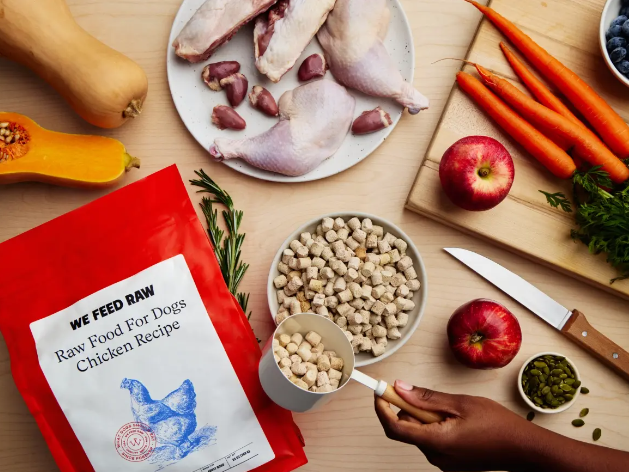
- Strong food safety protocols: Uses HPP to reduce pathogens like Salmonella and Listeria; independent, third-party tests for microbiological safety before being shipped (including Clean 16 recognition) also adds an extra layer of safety and transparency
- Consistent, complete nutrition: Formulated to meet AAFCO standards for complete and balanced diets, with reliable nutrient profiles across batches
- Convenient, done-for-you feeding: Personalized feeding plans based on your dog’s needs; pre-portioned meals eliminate guesswork
- High-quality, traceable ingredient sourcing: USDA-certified meats sourced from U.S. farms; strong emphasis on consistency and quality control
- Wide protein variety and flexibility: Offers multiple proteins, including beef, chicken, turkey, lamb, venison, and duck; supports rotation and accommodates dogs with sensitivities
- Multiple feeding formats: Available as frozen raw and freeze-dried options; adds flexibility for travel, training, or limited freezer space
Cons
- Higher cost: Premium pricing reflects higher manufacturing standards and processing, testing, & the pre-packaged convenience
- Some processing via HPP: Some owners prefer completely unprocessed raw diets
Darwin’s
Pros
- Minimally processed approach: Some pet parent do not want to opt for HPP
- Broader niche product lines: Includes options like Natural Selections and ZooLogics; provides additional variety for different feeding approaches
- Solid protein selection: Offers multiple proteins, including chicken, beef, turkey, duck, and lamb; supports rotation feeding, though with one fewer option than We Feed Raw
Cons
- History of recalls: Past contamination concerns may be a consideration for some pet owners
- Less consistency in formulation: Some product lines may not be fully supplemented or standardized; requires more owner awareness to ensure nutritional balance
- Less convenience overall: Not pre-portioned; feeding amounts may need to be calculated manually
- Less emphasis on third-party safety testing transparency: Compared to brands that highlight independent contaminant verification
We Feed Raw vs. Darwin’s Dog Food: Which Brand Is Better for Your Dog?
We Feed Raw may be a better fit if you:
- Prefer a streamlined approach
- Value additional safety measures and verification
- Are new to raw feeding
Darwin’s may be a better fit if you:
- Prefer zero processing
- Have the time and energy for more hands-on control
While both brands appeal to raw feeders, We Feed Raw tends to prioritize safety, consistency, quality, and convenience, whereas Darwin’s also offers high-quality raw meals that might appeal to people that want a more hands-on involvement — but, they also come with the baggage of a questionable history when it comes to its safety measures.