


- The Best Natural Wine Subscriptions at a Glance
- What Actually Is Natural Wine?
- Why Natural Wine Subscriptions Make Sense
- The Best Natural Wine Subscriptions
- 1. MYSA Natural Wine: Best for Learning About Natural Wine
- 2. Primal Wine: Best for Discovering Small Producers
- 3. Orange Glou: Best for Orange Wine Lovers
- 4. Plonk Wine Club: Best for Guided Discovery
- 5. Sips Berlin: Best for Boutique European Producers
- Pros
- Cons
- 6. Wine Insiders: For Curious Wine Drinkers and Organic Options
- Which Natural Wine Subscription Is Right for You?
- Final Thoughts
The first time I knowingly drank a natural wine was in a little wine bar after work with a friend who was far more into wine than I was.
“This one’s natural,” he said.
As far as I knew, wine was fermented grapes. How much more natural could it get? I nodded, smiled and took a sip anyway, hoping he wasn’t about to ask what I thought because I still wasn’t entirely sure what made it natural in the first place.
“It’s got loads of character,” he said, before launching into wild yeast, low-intervention winemaking and how the wine had been “left alone”.
Walking home later that evening, I did what most of us do these days and reached for my phone.
One website described natural wine as low-intervention winemaking. Another talked about sulphites. Then there were organic wines, biodynamic wines and a surprising amount of disagreement about what “natural” actually meant.
By the end of the evening I had far more browser tabs open than answers – and no clearer idea what counted as “proper” natural wine. At one point I genuinely wondered whether natural wine was just clever marketing wrapped around something winemakers had been doing for centuries.
But if I was genuinely curious about natural wine, one bottle probably wasn’t going to tell me very much. Natural wine isn’t one style of wine. It’s hundreds of producers making wines in different ways, across different countries, with very different philosophies.
If you’re natural-wine-curious like me, you’ll probably want to try a few different producers, regions and styles before you can work out what you actually enjoy. That’s exactly what led me to natural wine subscriptions.
The Best Natural Wine Subscriptions at a Glance
If you’re in a hurry, here’s how I’d break them down after comparing the main options:
| If You’re… | I’d Recommend… | Why? |
| Completely new to natural wine | MYSA Natural Wine | Excellent educational content, curated monthly deliveries, and a great way to build confidence while exploring different producers. |
| Looking for smaller producers and more adventurous bottles | Primal Wine | Curated around organically and biodynamically farmed vineyards, with plenty of harder-to-find discoveries. |
| Already obsessed with orange wine | Orange Glou | Entirely dedicated to skin-contact wines, making it the obvious choice if orange wine is already your thing. |
| Keen to learn as you explore | Plonk Wine Club | Well-curated selections with enough background information to build confidence without becoming overwhelming. |
| Interested in discovering boutique European producers | Sips Berlin | Great for finding smaller European winemakers and bottles you’re unlikely to come across elsewhere. |
| Curious about natural or organic wine, but not ready to commit yet | Wine Insiders | Lets you experiment with a few organic label wines alongside more familiar bottles in curated or build-your-own cases. |
What Actually Is Natural Wine?

Before comparing subscriptions, it’s worth clearing up one thing that confused me at the start.
Unlike organic wine, natural wine doesn’t have one universally accepted definition. Most producers share a similar philosophy rather than following a formal certification.
In practice, that usually means working with organically or biodynamically grown grapes wherever possible, intervening as little as possible during fermentation and avoiding unnecessary additives or heavy processing.
That’s why you’ll often hear natural wine described as low intervention. It’s less about following one strict rulebook and more about allowing the vineyard, vintage and grapes to speak for themselves.
Organic, biodynamic and natural wines are closely related, but they aren’t interchangeable. Organic certification focuses primarily on how grapes are grown. Biodynamic farming takes a broader, holistic approach to the vineyard. Natural wine also considers what happens once the grapes reach the winery.
Once you accept that there isn’t one perfect definition, the category becomes much less intimidating.
Why Natural Wine Subscriptions Make Sense
Natural wine can vary enormously from bottle to bottle. One wine might taste clean, bright and completely familiar. The next could be cloudy, slightly fizzy or noticeably funkier.
That’s part of the appeal. It’s also why buying a single bottle doesn’t always tell you very much.
The more you explore, the more you realise you’re not really trying to answer “Do I like natural wine?” You’re trying to answer a much better question: “Which natural wines do I actually enjoy?” That’s exactly where subscriptions come into their own, letting you compare different producers, grapes and winemaking styles without judging the entire category after a single bottle.
That’s one of the reasons people either fall in love with natural wine or decide they don’t like it after one unlucky bottle.
The Best Natural Wine Subscriptions
One thing worth bearing in mind is that specialist natural wine subscriptions can get expensive surprisingly quickly. It’s easy to be swept along by the romance of tiny producers and limited releases before you realise you’ve quietly doubled your usual wine budget.
1. MYSA Natural Wine: Best for Learning About Natural Wine
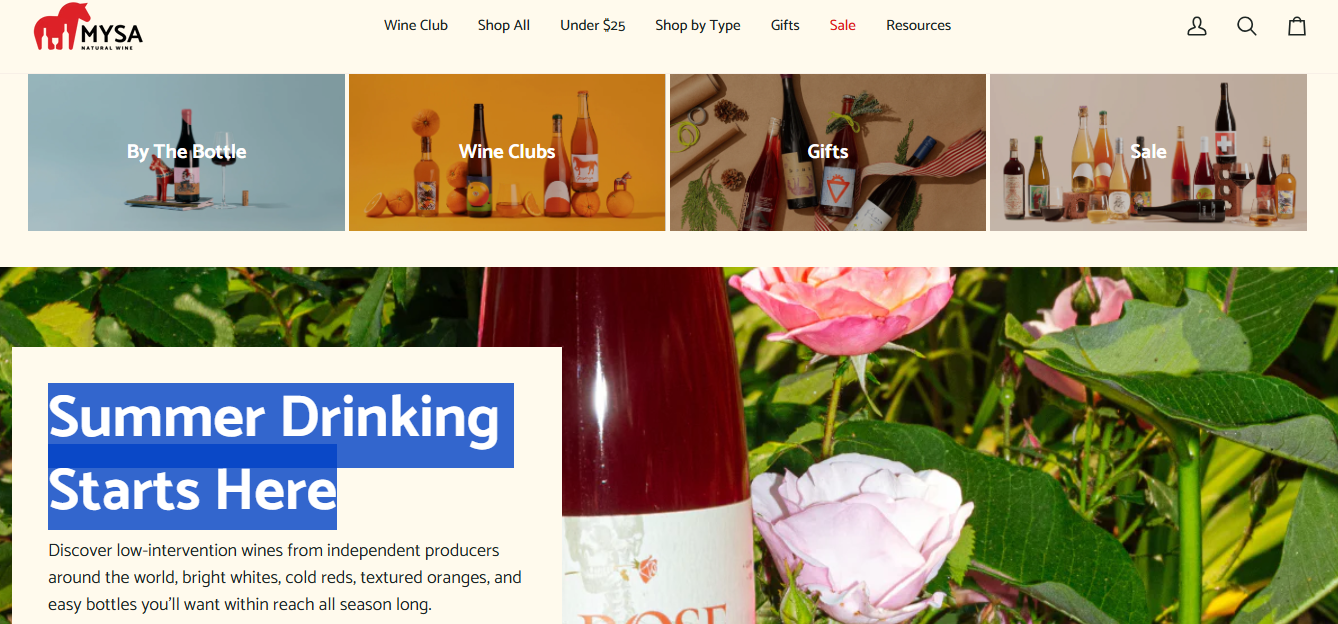
If you want to fully immerse yourself in natural wine, MYSA is probably the best-known place to start.
Rather than simply sending bottles each month, there’s a strong educational element running through the subscription. Each shipment introduces different producers, styles and regions, with tasting notes and background information that help explain why the wines taste the way they do.
Subscribers can choose mixed, red, white or orange wine clubs, making it easy to tailor deliveries to your own tastes. There’s also flexibility to pause or skip deliveries, which is useful if you’re still working through the previous shipment.
It feels like taking a short wine course every month. If learning about producers, regions, and low-intervention winemaking is part of the enjoyment for you, that’s exactly where MYSA earns its premium positioning.
MYSA sits towards the pricier end of the market, but that reflects what you’re paying for. You’re not simply buying bottles; you’re paying for carefully curated selections, producer stories and an experience that’s designed to help you learn about natural wine over time. If you’re only looking to try a couple of bottles, it may feel like more commitment than you need.
Pros
- Multiple club options (red, white, mixed, and orange)
- Detailed tasting notes and producer guides
- Flexible subscription management
- Great for building confidence in natural wine
Cons
- Less suited to casual drinkers
- Premium pricing compared to broader wine clubs
2. Primal Wine: Best for Discovering Small Producers
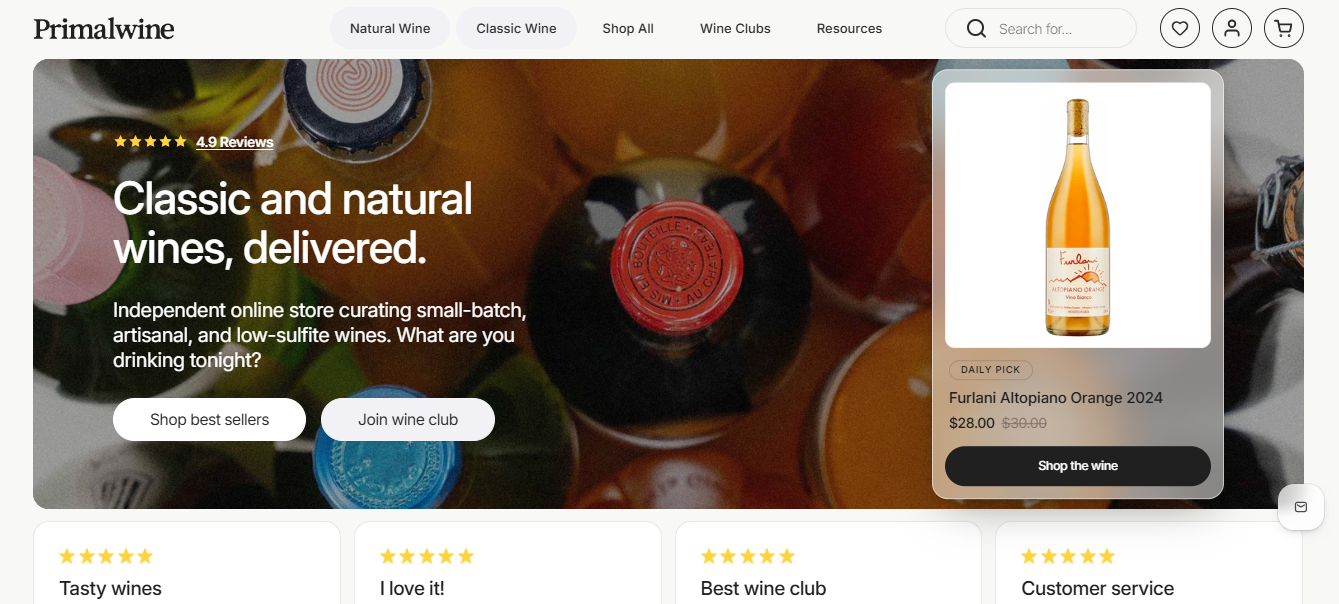
Primal Wine takes a similarly curated approach but feels slightly more adventurous.
The emphasis is firmly on small producers, organically and biodynamically farmed vineyards, and wines you probably won’t stumble across at your local supermarket.
Rather than focusing on one subscription, Primal offers several club options, including mixed, red, white, sparkling and orange wines, making it easy to tailor deliveries to your own preferences.
If you’ve already discovered you enjoy natural wine and want to keep exploring further off the beaten track, Primal makes a lot of sense.
Shopping with Primal feels like being introduced to winemakers you probably wouldn’t have found on your own. That’s a big part of its appeal if you enjoy discovering producers before everyone else does.
Pricing varies depending on the club you choose, but it generally sits in a similar bracket to other specialist natural wine subscriptions. You’re paying for carefully curated wines from smaller producers rather than sheer volume.
Pros
- Choice of mixed, red, white, orange and sparkling clubs
- Excellent discovery of small producers
- Tailored subscriptions
- Ideal for adventurous drinkers
- Strong educational content
Cons
- Better suited to people already familiar with natural wine
- Costs can increase depending on the club you choose
3. Orange Glou: Best for Orange Wine Lovers
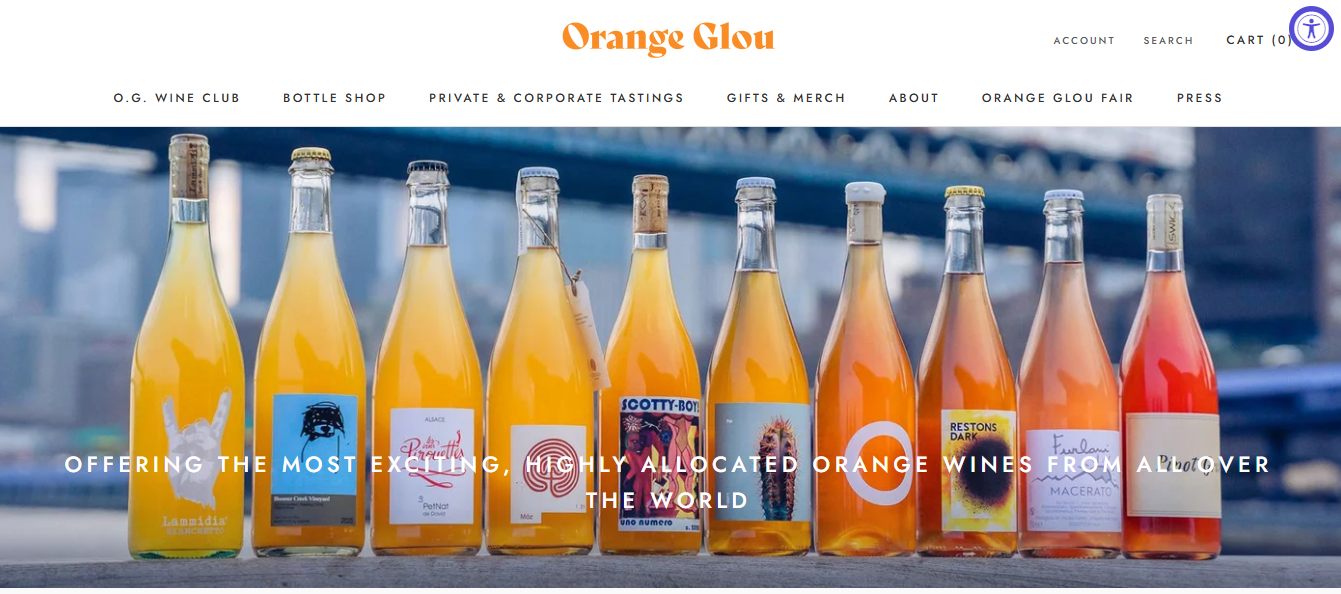
Orange Glou does one thing exceptionally well. Every shipment revolves around orange wine.
If you’ve already discovered that skin-contact whites are your favourite corner of the natural wine world, there’s something refreshing about a subscription that doesn’t try to be everything to everyone.
Every shipment revolves around skin-contact wines from different producers, making it one of the few subscriptions that lets you compare orange wines side by side rather than occasionally including one in a mixed case. If you have already fallen hard for orange wines, you’re going to love this.
The flip side is obvious. If you’re still discovering natural wine more generally, a specialist orange wine subscription probably isn’t where you should begin. It feels much more like joining a club built around one style of wine than signing up to a general wine subscription.
Given how specialised the subscription is, it’s priced more like an enthusiast’s club than an everyday wine delivery. If orange wines are already your thing, that focus is part of the appeal.
Pros
- Entirely dedicated to orange wine
- Great producer variety
- Perfect for fans of skin-contact wines
Cons
- Too specialised for most beginners
- Less variety than broader subscriptions
4. Plonk Wine Club: Best for Guided Discovery
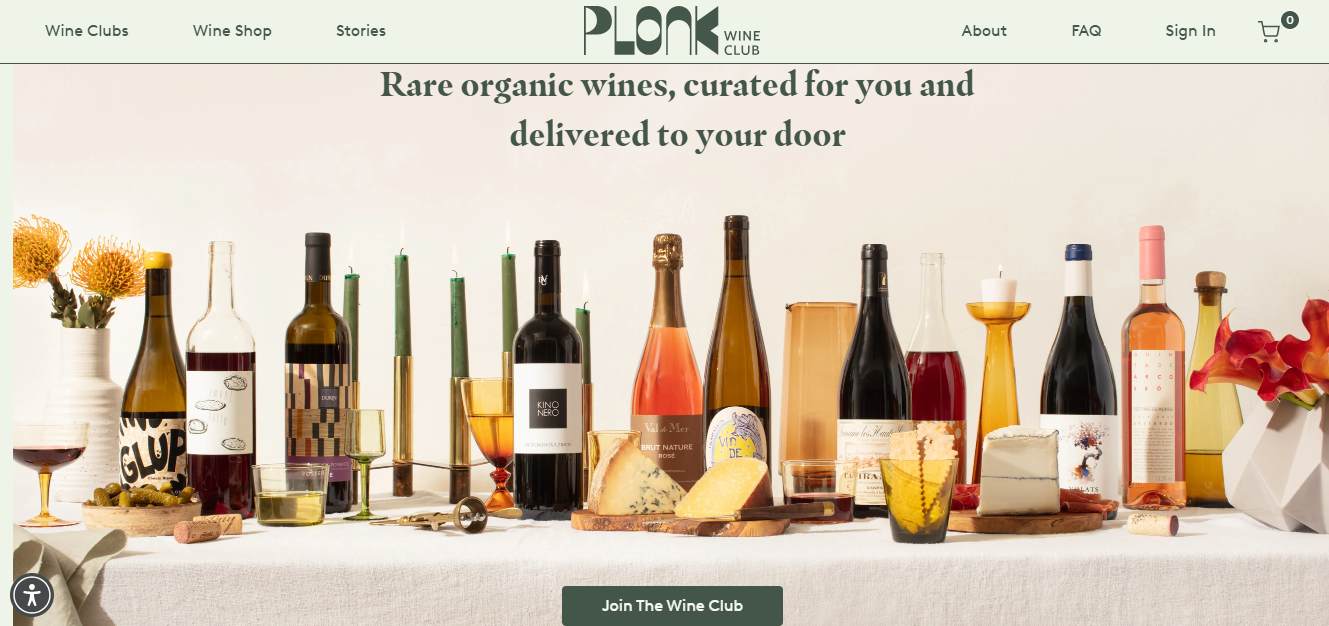
Plonk feels like one of the most approachable subscriptions for people who are still finding their feet.
Rather than assuming you already understand the language of natural wine, it balances discovery with explanation, helping you understand what you’re drinking without becoming overly technical.
The wines are accompanied by enough background information to help you understand why each bottle has been chosen, making it particularly approachable if you’re still building your confidence.
The wines themselves lean towards sustainably produced, low-intervention bottles, while the accompanying information helps put each producer into context.
If you like the idea of learning gradually rather than being thrown in at the deep end, Plonk strikes a really nice balance. The whole experience feels like having a knowledgeable friend choose your next case for you. There’s enough guidance to build your confidence without making every delivery feel like homework.
Plonk feels like a sensible middle ground. It’s priced more like a quality wine club than a luxury subscription, making it an approachable option if you want guidance without immediately stepping into the most specialist (and often most expensive) end of the market.
Pros
- Beginner friendly
- Good educational material
- Thoughtfully curated selections
- Strong sustainability focus
Cons
- Smaller range than larger retailers
- Less flexibility than buying individual bottles
5. Sips Berlin: Best for Boutique European Producers
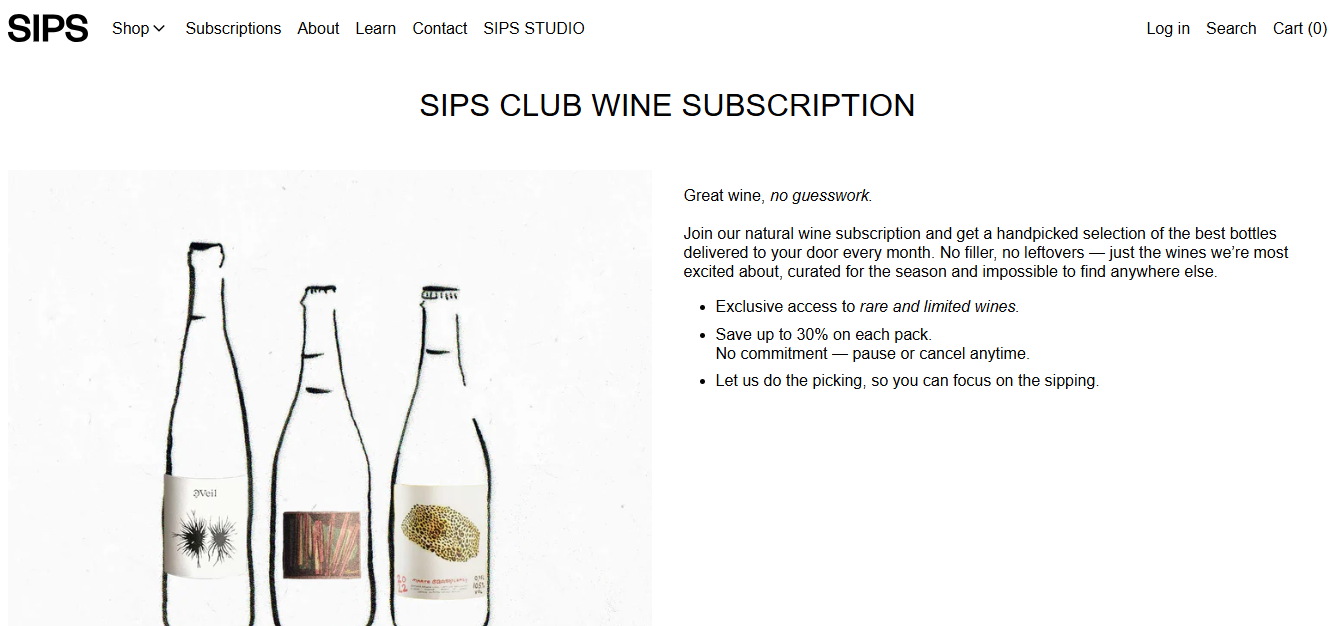
Sips Berlin feels slightly different again. The emphasis is firmly on smaller European producers, so it feels less like browsing a retailer and more like being introduced to wines you probably wouldn’t have discovered on your own.
If part of the appeal of natural wine is discovering wines your friends probably haven’t heard of, Sips does that particularly well.
Like several of the other specialist subscriptions, it feels geared towards people who’ve already caught the natural wine bug rather than complete newcomers.
Browsing Sips Berlin feels a bit like walking into an independent bottle shop on a European city break. You’re unlikely to recognise many of the labels, but that’s very much part of the attraction.
Like most boutique subscriptions, Sips Berlin sits towards the premium end of the market. You’re paying for access to smaller European producers and bottles that are often difficult to find through larger retailers, rather than sheer volume.
Pros
- Boutique European focus
- Interesting small producers
- Curated selections
Cons
- Better suited to experienced natural wine drinkers
- Smaller, more specialist catalogue
6. Wine Insiders: For Curious Wine Drinkers and Organic Options
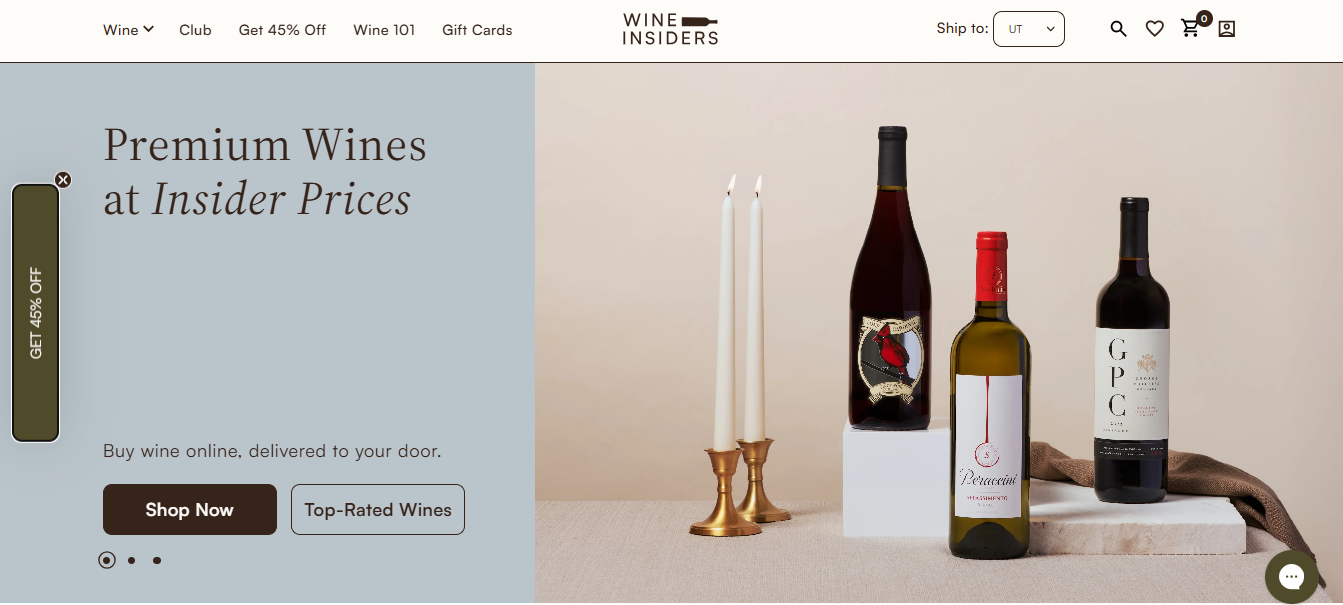
First, I should say that Wine Insiders doesn’t actually sell “natural wine.” They’ve said so themselves, since the term has no legal definition and quality is all over the place depending on the producer.
What they carry instead is certified organic wine, which actually has a real regulatory standard behind it (no synthetic pesticides, no synthetic fertilizers, sustainably farmed).
That’s not necessarily a dealbreaker though. Organic and natural overlap a lot, since most natural wine starts with organic or biodynamic grapes anyway. If what drew you to natural wine was the “better for you, better for the planet” side of things rather than the specific winemaking techniques (wild yeast, no filtering, zero added sulfites), organic is a decent adjacent lane while you figure out what you actually like.
The real draw here is the format. Wine Insiders isn’t a specialist club expecting you to build every shipment around one style. You can buy individual bottles, grab one of their curated mixed cases, or build your own from scratch. So you could toss a few organic bottles into a case with wines you already know you like, instead of committing your whole wine rack to something you haven’t tried yet.
Price is the other big difference. Specialist natural wine clubs usually run as a premium monthly subscription, which makes sense once you know this is your thing. Wine Insiders is cheaper and lower commitment since you’re just mixing organic bottles into a normal order.
So if you Googled “natural wine subscription” and landed here: this isn’t quite that. But if you want a low-pressure way to try more sustainably made wine without diving straight into the natural wine world, it’s a solid starting point, and you can always move to a specialist club later.
Pros
- Certified organic selection with an actual regulatory standard
- Buy individual bottles or curated cases
- Build your own mixed case
- Cheaper than most specialist natural wine clubs
- Low-pressure way to experiment before committing to a niche subscription
Cons
- Doesn’t sell natural wine, only organic (not the same thing)
- Less useful if you specifically want low-intervention winemaking, wild yeast, or no added sulfites
- Doesn’t offer the educational depth of dedicated natural wine clubs
Which Natural Wine Subscription Is Right for You?
If you’re completely new to natural wine and want to build your confidence while learning about producers and winemaking, MYSA and Plonk are probably the most approachable starting points. If you’ve already discovered you enjoy low-intervention wines and want to dive deeper into smaller producers and more adventurous bottles, Primal Wine and Sips Berlin offer a more specialist experience.
If skin-contact wines are already your obsession, Orange Glou is the obvious choice because every delivery is built around that style. But if you’re not sure natural wine is even your thing yet, and you’d rather ease in with something familiar, Wine Insiders is worth a look for organic options.
It’s up to you which option seems like the best fit. And you don’t have to decide you’re “a natural wine person” now, but you can stay curious enough to keep trying new bottles at your own pace!
Final Thoughts
Natural wine can feel intimidating when you’re first discovering it, largely because there isn’t one universally accepted definition and the bottles themselves can vary so dramatically.
That’s exactly why subscriptions have become so popular. Rather than judging the entire category after one bottle, you gradually build your own understanding by trying different producers, regions, and winemaking styles over time.
Ultimately, there’s no single best natural wine subscription, only the one that matches where you are in your wine journey. If you’re ready to immerse yourself, one of the specialist clubs above is well worth the investment.
