

For many people, coffee is a hobby that evolves over time. While Driftaway can be an excellent starter subscription for newcomers, many coffee enthusiasts eventually reach a point where they want more than a guided tasting experience.
Having spent over a decade working in specialty coffee, from behind the espresso bar to roasting coffee and helping customers navigate flavor preferences, I’ve seen firsthand how overwhelming coffee can feel to newcomers.
Choosing a coffee subscription really comes down to what specifically you’re looking for. Are you seeking a broader range of coffees? Do you want more personalization in your subscription? Or do you want access to a specialized network of roasters?
These are all important questions worth asking. Below, we’ll walk through some of the best Driftaway alternatives.
At a Glance: Driftaway Alternatives
| Best For | Personaliza-tion & Discovery | Roasters in Network | Pricing | |
| Driftaway | Education/ new coffee hobbyists | Moderate | 1 | 11oz bag $16-$181lb bag $22 |
| Trade | Homebrewers/ coffee enthusiasts/ people looking for new roasters | High | 55+ | 10oz-11oz bag $16.99-$21.99 +shipping |
| Misto Box | Convenience & handsoff discovery | High | 60+ | 12oz bag $15.75-$17.95 |
| Atlas | Education & single origin coffee lovers | Moderate | 1 | ½ bag $11/single bag $17/ double bag $32 |
Why People Look Beyond Driftaway
Before going into alternatives, it’s worth acknowledging why Driftaway has become so popular. Rather than simply shipping coffee, the company helps subscribers develop their palate through guided tastings and approachable education about flavor, body, acidity, and coffee origins.
That educational approach makes Driftaway a good starting point for people new to specialty coffee, but as your tastes become more defined, you may find yourself looking for a wider selection of roasters, more advanced personalization, or greater opportunities to discover new coffees.
Roaster Network
One of the most important considerations in choosing a coffee subscription is the size and quality of the roaster network.
To me, the roaster is the most important variable when it comes to finding a quality coffee source. Every roaster does things differently, down to where beans are sourced from, what blends are used, and even how the beans themselves are roasted.
There are thousands of roasters in the U.S. and beyond, so limiting yourself to one roaster can cause you to miss out on the wider network of options that are out there. A subscription service with a larger network of roasters can create more opportunities for discovery and reduce the chances of receiving coffees that feel repetitive over time.
Personalization
As your palate develops, your preferences will in turn become more specific. Maybe you enjoy light fruit-forward coffees and dislike bold dark roasts or maybe you prefer espresso blends with chocolate and caramel notes, as opposed to floral and herby notes.
A quality subscription should adapt to your preferences, and subscription services should allow you to give feedback on the coffees you receive. This can help define your preferences, but like I mentioned before, only having access to one roaster can be extremely limiting.
Driftaway only offers about two or three options for each type of roast, so even when you provide feedback on one light roast you tried, your option for personalizing your preference further is extremely limited, which doesn’t leave much room to grow.
Discovery Potential
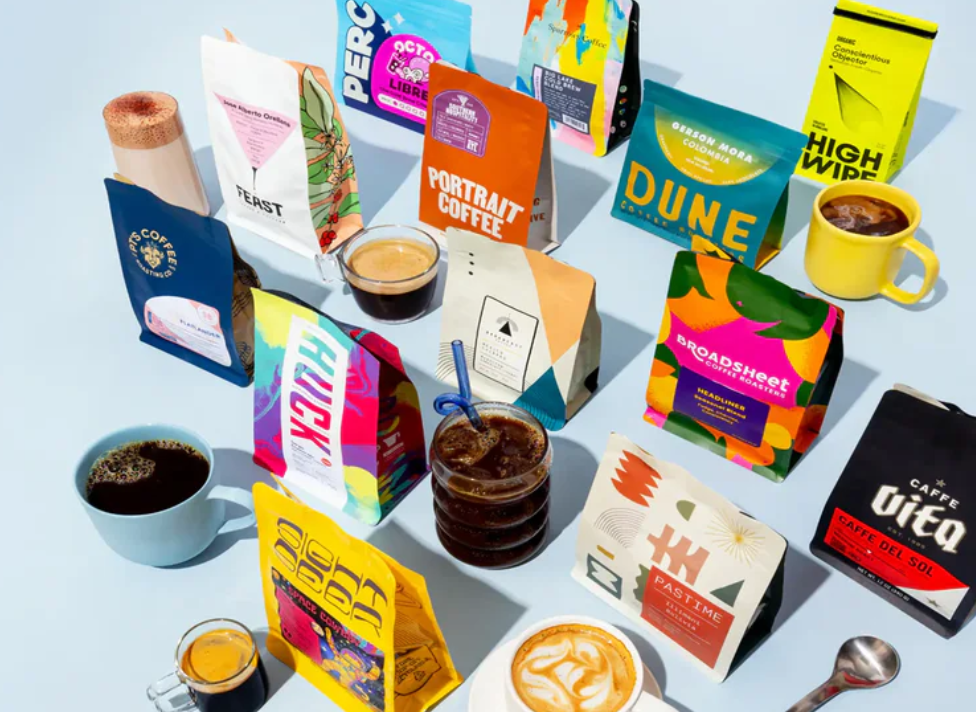
If you’re at this point in your coffee journey, discovery is probably the main factor that is leading you to switch. Even if you know what your preferences are, there are too many great coffees out there for you to be limited in what options are available to you.
The best subscriptions will balance consistency with surprise. You want coffees that complement your taste preferences while still introducing you to new flavors, regions, and roasting styles. Driftaway has an option for any taste or flavor preference you may have, but like I mentioned before, there’s a limitation that comes along with it; the dark roast you tried with Driftaway may not be your favorite, but you haven’t had the chance to try another roaster’s take on a dark roast.
In theory, light roasts, medium roasts and dark roasts fall under the same criteria. In practice though, there are so many different ways to make a dark roast or a light roast. It can come down a few degrees difference but just a small temperature change of a roast can drastically change the flavor.
Even if you have a strong preference on flavor or roast, there is more than one way to experience those flavors.
1. Trade Coffee
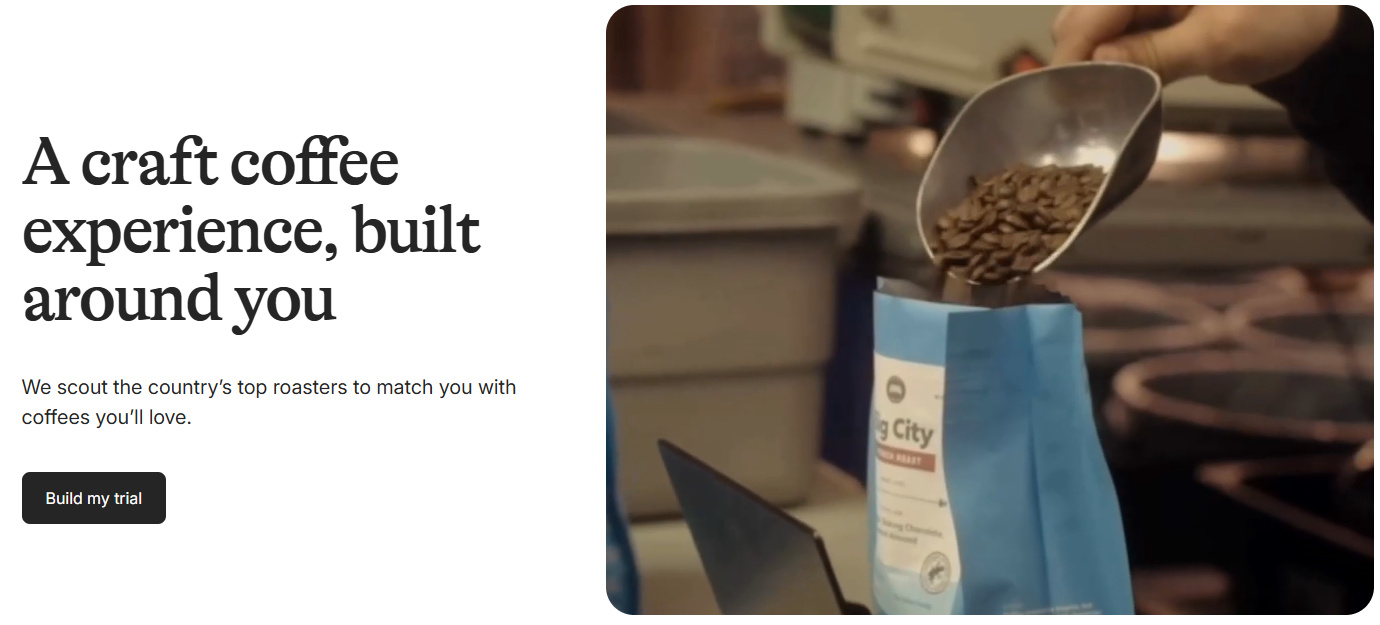
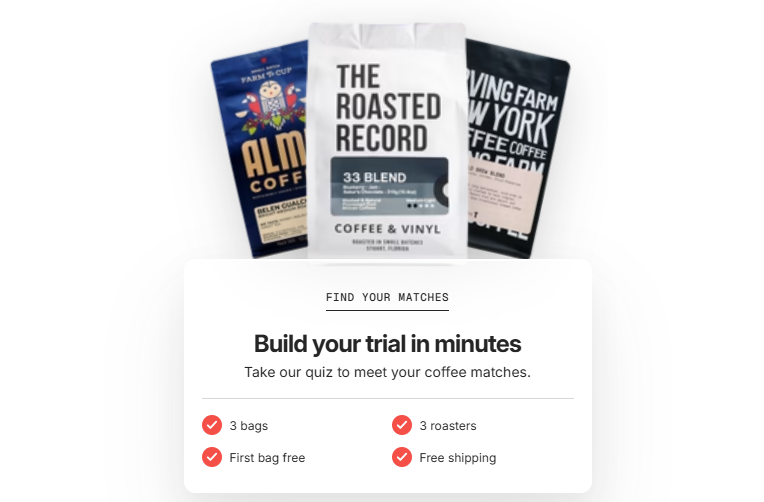
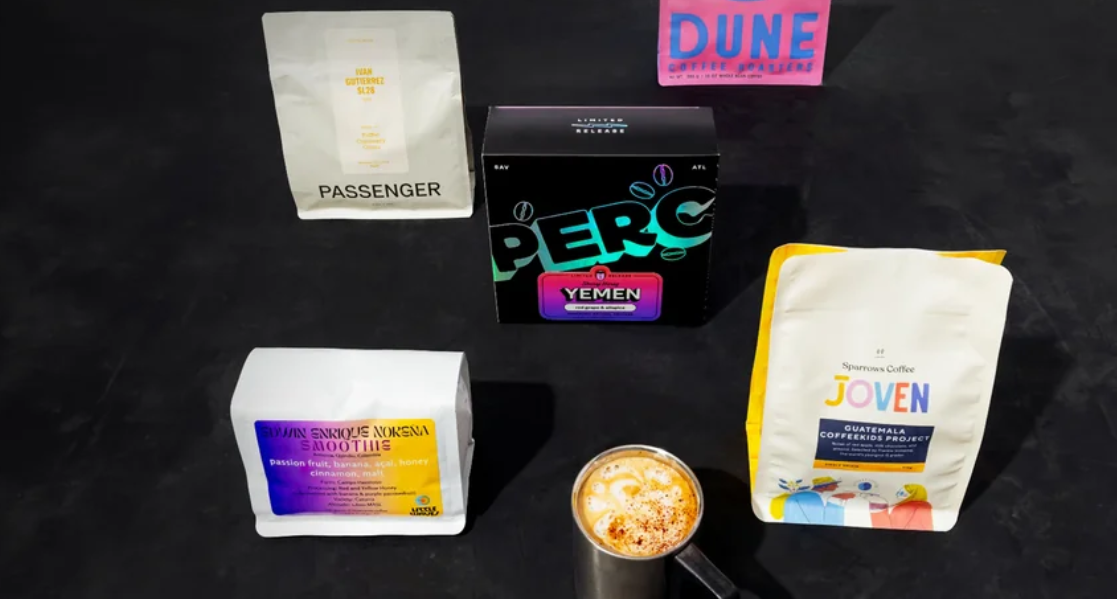
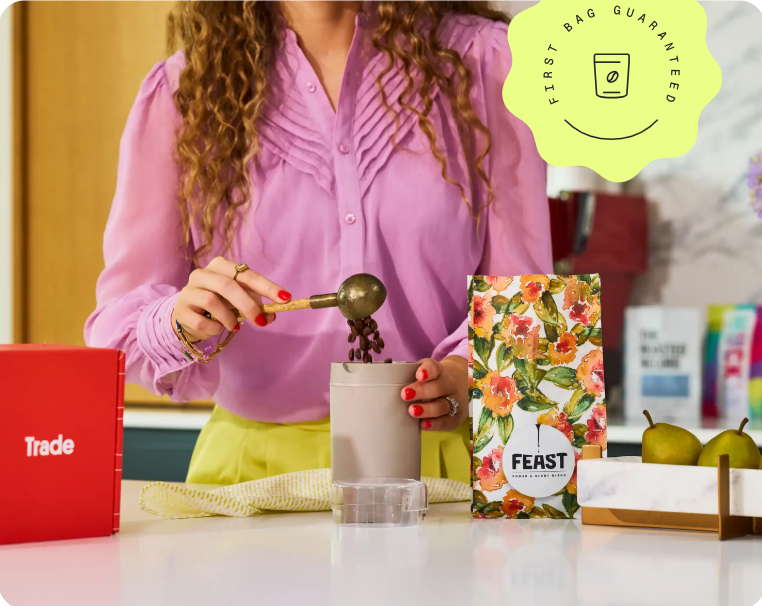
Rather than focusing on a single tasting-box experience, Trade connects subscribers with a large network of specialty coffee roasters from across the United States through a quiz that asks how you brew coffee at home, roast and flavor preferences and then matches you with coffees from their selection of roasters.
Larger Roaster Selection
One of Trade’s biggest advantages is sheer depth. Instead of being limited to a relatively narrow lineup, subscribers gain access to hundreds of different coffees from dozens of respected specialty roasters.
As someone who works in coffee, I can tell you that roaster diversity matters. Two roasters can source coffee from the same country and produce completely different flavor experiences based on their roasting practices. Exploring those differences is part of what keeps specialty coffee interesting over the long term.
Personalization
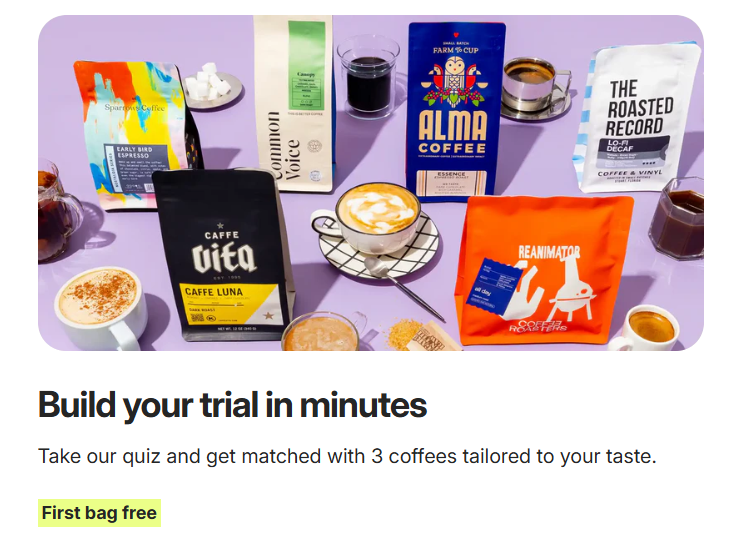
Trade’s recommendation system is designed around ongoing refinement. Rather than assigning you to a single flavor profile, Trade uses feedback to continuously improve future recommendations. This creates a subscription experience that evolves alongside your preferences.
If your tastes change (and they can), the service can adapt. Some coffee drinkers start by preferring chocolatey medium roasts and eventually become fascinated by bright, fruit-forward coffees. Others move in the opposite direction. Some prefer to discover coffees within their specific taste profile. Regardless, Trade caters to whatever preferences you have.
Intentional Discovery
One of the challenges with coffee subscriptions is balancing surprise with reliability. Too much predictability becomes boring. Receiving a variety of random bags of coffee can lead to disappointment and being stuck with bags of coffee you won’t drink.
Trade generally strikes a strong middle ground. Subscribers receive coffees aligned with their preferences while still encountering new roasters and flavor experiences. For someone who has already learned the basics through Driftaway, this style of discovery often feels more rewarding than repeating structured tasting exercises.
Another strength is expertise. Trade’s recommendations aren’t based on an algorithm. The platform incorporates coffee expertise and curation from people who understand specialty coffee. That becomes increasingly valuable as your palate grows more nuanced. The result is a discovery experience that feels intentional rather than automated.
Keep reading: What is Trade Coffee Really About? – Reviewed by a Coffee Expert
2. Mistobox
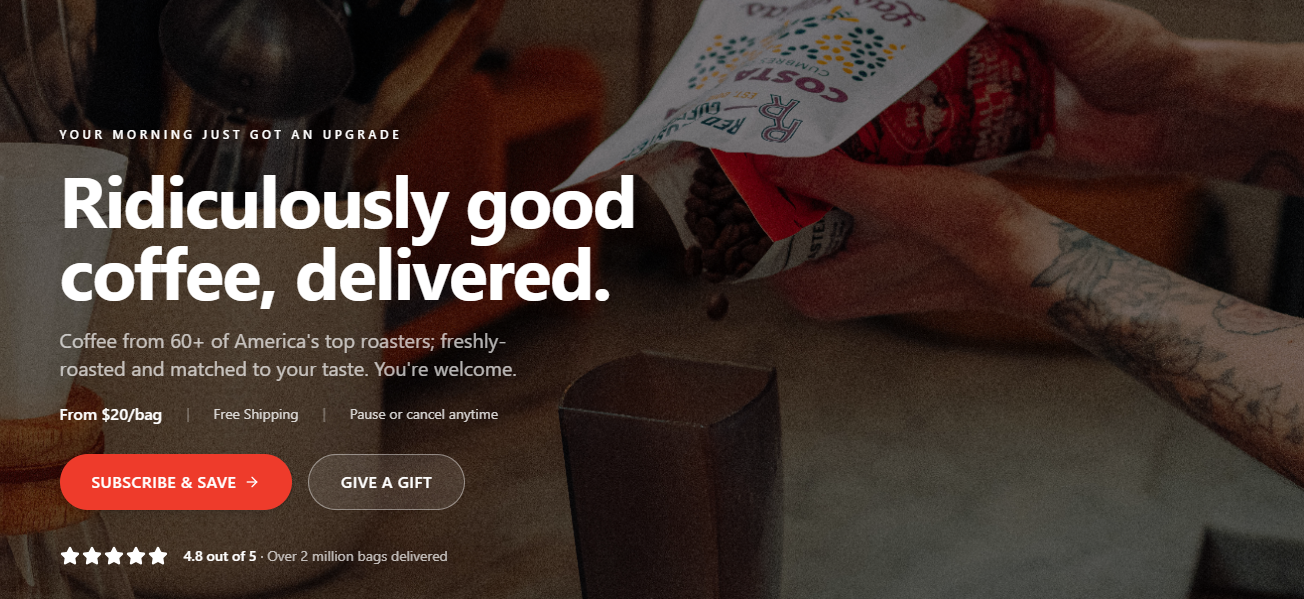
Mistobox shares some similarities with Trade. The service also focuses on matching subscribers with coffees based on their taste preferences and provides access to a substantial collection of specialty roasters. Like Trade, Mistobox emphasizes personalization and discovery but with a slightly more hands-off approach.
With Trade, you are matched and have the ability to decline or switch out a coffee recommended to you at the time of the match, where Mistobox has a more curated and members club feel, which doesn’t require any thought from the subscriber. The service is particularly appealing for coffee drinkers who enjoy having recommendations tailored to their tastes without spending hours researching coffees themselves.
Where It Differs
The distinction comes down to scale, curation philosophy, and overall discovery experience. Both platforms prioritize personalization, but Trade offers access to a larger network of specialty roasters, while Mistobox leans toward a more hands-off, curated experience.
That being said, Mistobox remains a strong alternative and deserves consideration from anyone comparing subscription options, but are looking for a more set-it and forget-it approach.
3. Atlas Coffee Club
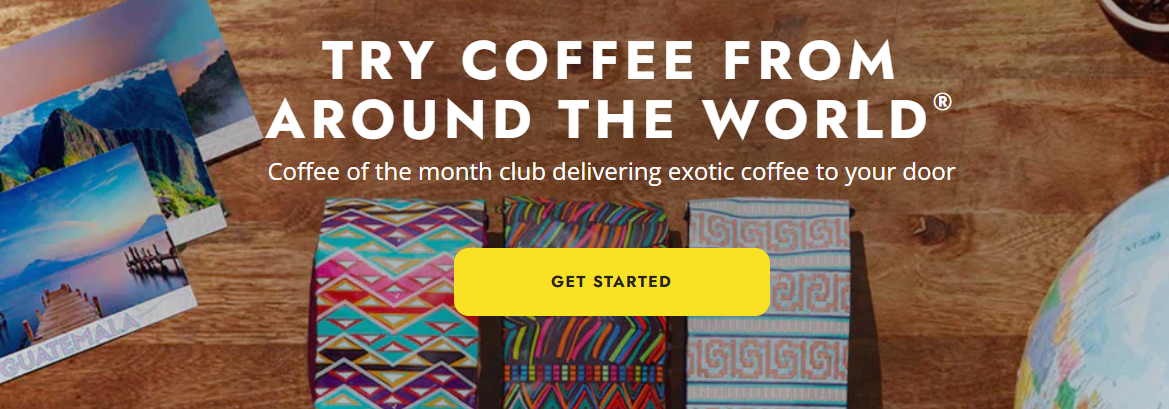
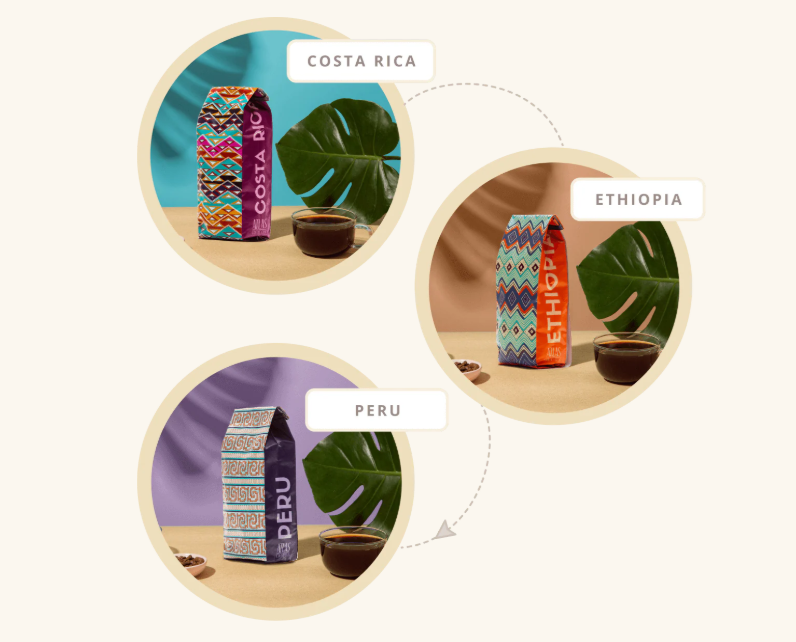
Atlas takes a different approach altogether. Rather than emphasizing roaster discovery, Atlas focuses on geographic exploration. Each shipment highlights coffees from a specific coffee-producing country, often accompanied by information about the region and culture.
This is also a great option for coffee drinkers looking to expand the knowledge they gathered from their Driftaway subscription. The experience feels less like discovering roasters and more like discovering origins, which offers a different kind of educational experience to coffee drinkers. Any coffee from a roaster or subscription service originates from one of these countries.
Understanding what region beans come from allows you to process flavor profiles on a deeper level and will affect any coffee tasting you do. For newer specialty coffee drinkers, this can be a fun and engaging way to learn about coffee-growing regions and an easy transition from your Driftaway subscription.
Compared with Trade or Mistobox, Atlas offers less personalization. The focus is on the featured origin rather than tailoring every shipment to individual flavor preferences. For some coffee enthusiasts, that’s part of the appeal. For others, especially those who have already developed strong preferences, it can feel less targeted.
Which Driftaway Alternative Is Right for You?
The answer depends on what you valued most about Driftaway and what you want next out of your coffee experience.
Continuing Your Education
If you’re looking to take your coffee education to the next level, Atlas offers a continued educational experience through origin-focused storytelling. It’s an easy transition from Driftaway but offers limited personalization, which may or may not be what you’re looking for at this part of your journey.
Ease and Personalization
If you’re looking for something more personalized to the distinct flavor profiles you’ve learned to love, Mistobox provides a solid personalized subscription model with access to specialty roasters. It’s ideal for a hands-off approach.
If you know you like chocolaty, medium roasted but don’t have the time to explore and rather them be curated for you, this is a good subscription for that.
Final Thoughts
Driftaway has earned its reputation as one of the best introductions to specialty coffee. It teaches you how to recognize flavor notes, understand coffee origins, and develop your palate in a way that’s approachable for beginners. But once you’ve built that foundation, many coffee drinkers naturally want more: more roasters to explore, more personalized recommendations, or a different way to continue learning.
The best next step depends on what excites you most. If you want access to a broad network of specialty roasters and recommendations that evolve with your tastes, Trade is a compelling option. If you prefer a more hands-off personalized experience, Mistobox is worth considering, while Atlas is ideal for coffee drinkers who want to deepen their understanding of coffee-growing regions through origin-focused exploration.
Ultimately, once you’ve learned how to identify flavors and understand your own preferences, exploring different subscriptions becomes part of the fun and one of the best ways to continue discovering just how diverse specialty coffee can be.

- 10 Specialty Coffee Roasters Worth Trying in Your Hunt for New Coffee - September 28, 2026
- The Best Coffee Subscriptions for Dark-Roast Espresso Drinkers - September 9, 2026
- Best Small-Batch Espresso Roasters Worth Discovering - August 26, 2026