

I’ve worked in the coffee industry for about a decade. From behind the bar to roasting coffee, and even in the digital coffee spaces, I’ve dialed in espresso on $20,000 machines (and drank plenty of gas station coffee on road trips).
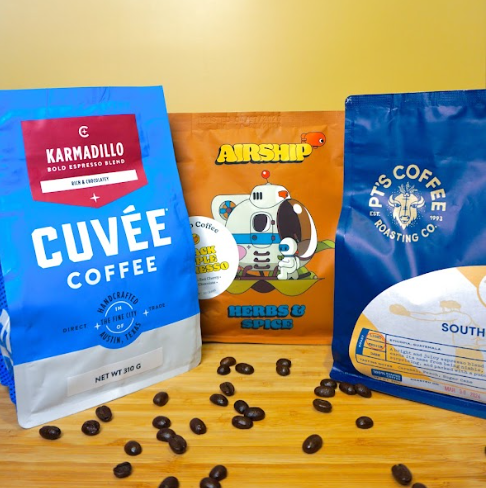
When I tried and reviewed Trade Coffee, I approached it in terms of how it holds up across freshness, sourcing, usability, and whether it actually helps people drink better coffee at home. I’ve received two bags so far through my Trade Coffee subscription: Cuvée Coffee’s Karmadillo Espresso Blend and PT’s Coffee Roasting Co.’s Southpaw Espresso.
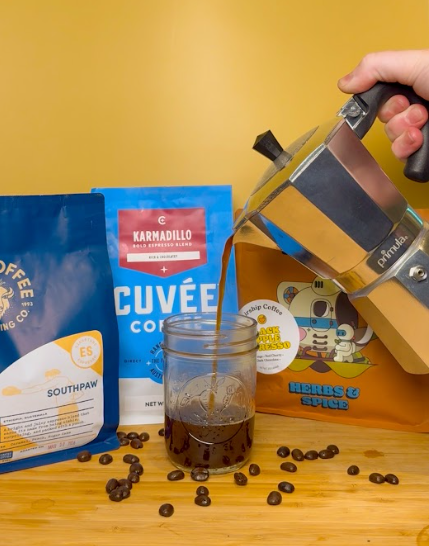
I brewed both using a moka pot, which I’ll elaborate on later, because it shaped how these coffees were presented. This isn’t a “best coffee ever” review, but a breakdown of what Trade Coffee does well, where it falls short, and who it actually makes sense for. Here is my Trade Coffee review:
What Trade Coffee Is
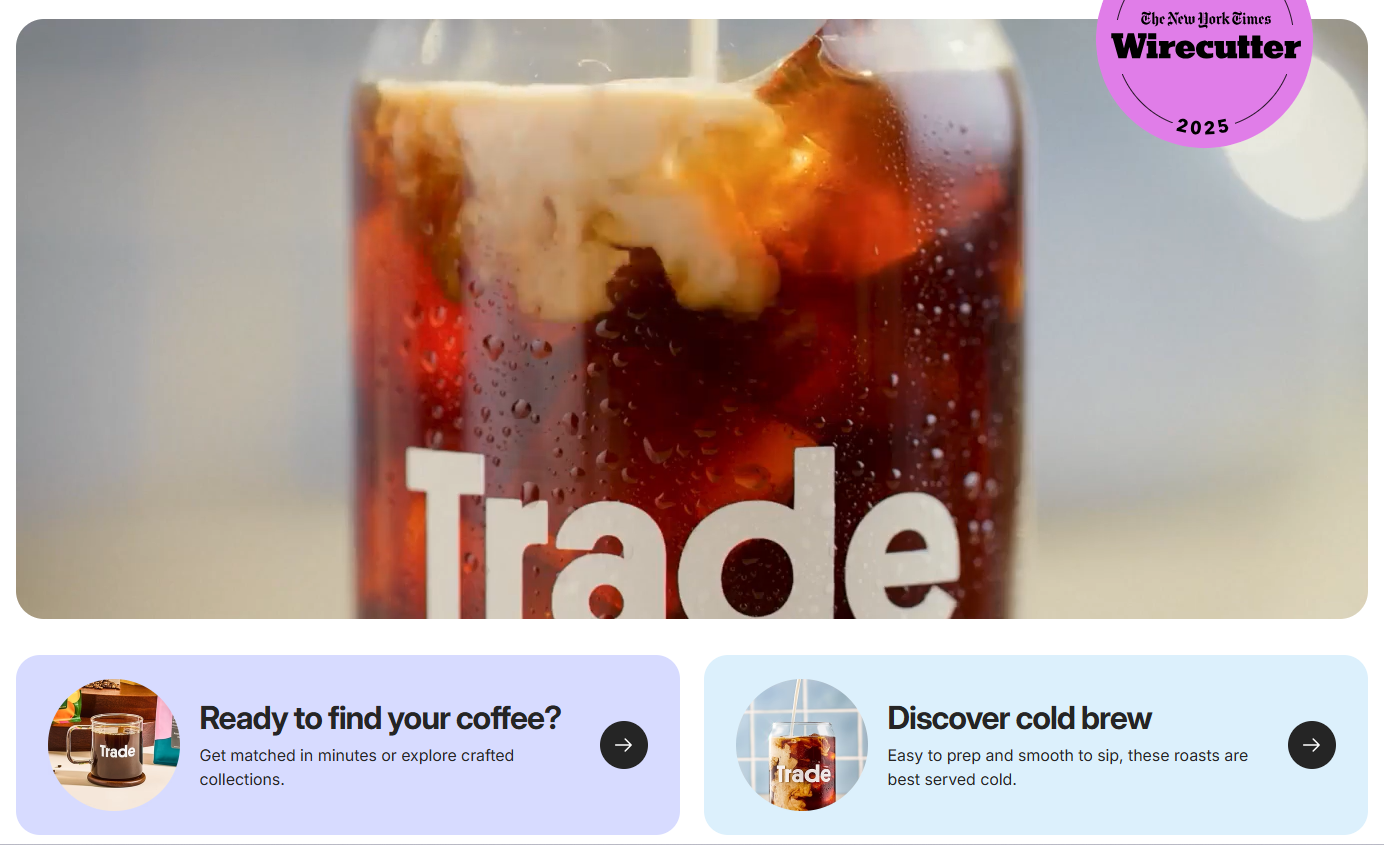
Trade Coffee is a coffee subscription service that connects you with a rotating selection of roasters across the U.S. Instead of locking you into one brand, it acts more like a marketplace with a recommendation engine. The core feature is their quiz, which tries to match you with coffees based on your taste preferences.
That sounds simple enough, but coffee can be notoriously complicated. When someone says they like “strong coffee,” that could mean anything; like, do they want dark roasted coffee, a coffee with high caffeine levels, or just a coffee with a bold flavor? Trade Coffee tries to translate that vast language into actual coffee variables like roast level, origin, and processing method.
Pricing: Fair But Not Cheap
Trade Coffee pricing typically lands between $16.99–$21.99 per bag, depending on the roaster. That puts it right in line with buying directly from most specialty roasters, but it saves you the time of going directly to the source to get a bag, and they have coffee from roasters across the U.S. As someone living in Dallas, Texas, my options are limited to the area I live.
I was really excited when I received my delivery and saw that one espresso blend I received was from a roaster in Topeka, Kansas. There’s no massive discount for using Trade Coffee as a source to get coffee, but what’s important to understand is that you’re also paying for curation, convenience, and the discovery aspect, not cheaper coffee.
Shipping is often included, which helps, but you’re still firmly in specialty pricing territory. If you’re used to grocery store coffee at $8–$12 a bag, this will feel like a jump. If you already buy from specialty roasters, it probably feels normal.
Overall, if you are tired of drinking the same coffee every day and want to try something you normally wouldn’t get locally, Trade Coffee is definitely worth the price.
Roast Freshness: Surprisingly Solid
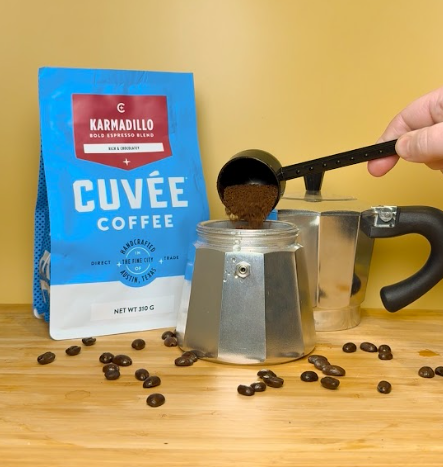
By far, the freshness factor is what I’ve been most impressed with. Freshness is one area where subscription services often fall apart, but Trade Coffee does a great job here. Both bags I received had clear roast dates, and they arrived within a reasonable window after roasting.
That matters because coffee isn’t just “fresh or stale”; it goes through stages:
- Degassing (first few days after roasting): CO₂ escapes; flavors can taste uneven
- Peak window (roughly days 5–21): best balance of aromatics and extraction
- Staling phase: flavors flatten, aromatics fade
My favorite detail so far has been that I received an email from Trade Coffee before each of my shipments that told me the bags of coffee I was receiving were being prepared to be roasted by the coffee roaster they were coming from.
It’s one thing for a subscription to promise fresh coffee, but getting the verification from Trade Coffee that the coffee was being roasted in real time earned them a lot of credibility. Both coffees landed in that peak window when I brewed them. That’s not guaranteed with every shipment, but so far, Trade Coffee is doing what it should here.
Brewing Method: Why I Used a Moka Pot
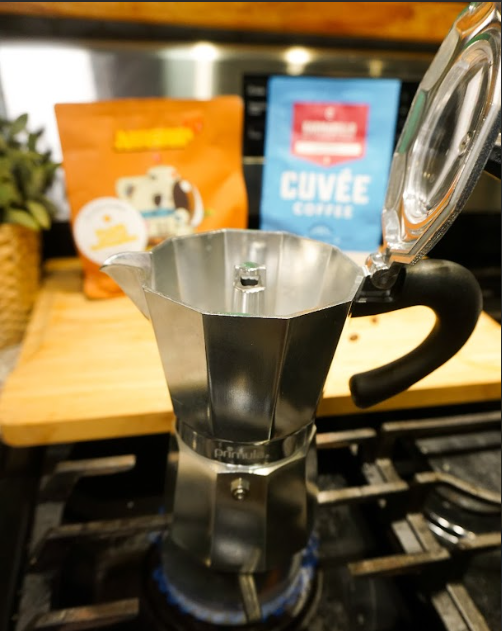
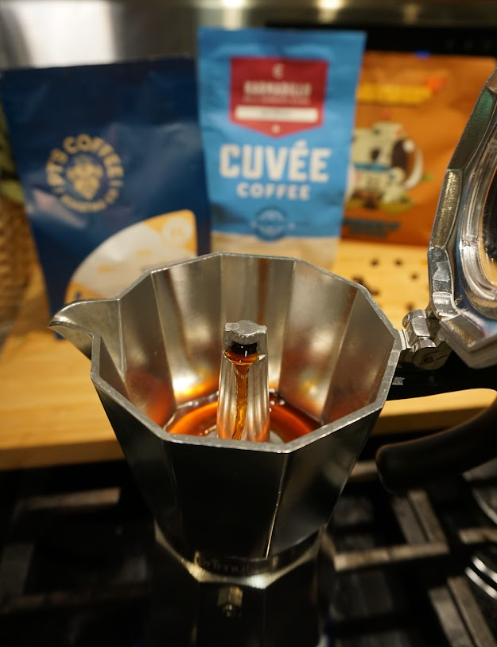
I brewed both coffees using a moka pot, which is often misunderstood. A moka pot is a stovetop brewer that uses steam pressure to push water through coffee grounds. It doesn’t reach true espresso pressure, but it gets close enough to produce a concentrated, espresso-like cup. I think it’s important to explain the reasoning and how that affected my review overall.
Like most people, I don’t have a fancy espresso machine set up in my kitchen. I like to brew different coffees in different ways to best fit the roast style. So far, I have received two different espresso blends. Without having an espresso machine at home, it’s difficult to truly capture the flavor that was intended from the roaster.
A moka pot is a great brewer that can easily get you close to that concentrated flavor of espresso without needing a fancy, overpriced machine. It brews at a higher intensity than a drip coffee maker and really highlights the roast level, body, and balance of a coffee. So, if a coffee is unbalanced, the moka pot will show it.
Coffee #1: Cuvée – Karmadillo Espresso Blend
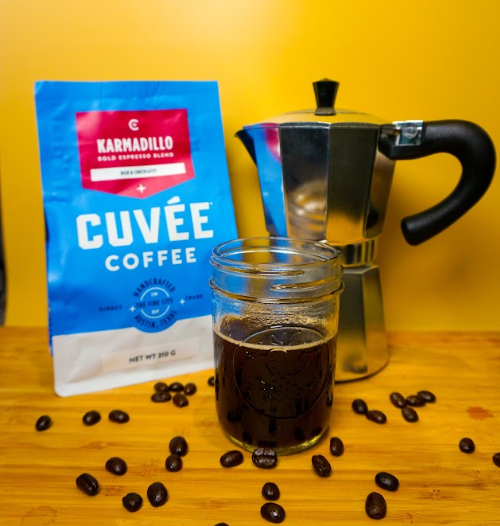
Cuvée is a coffee roaster based in Austin, Texas. I received their Karmadillo Bold Espresso Blend.
This is a blend of Central and South American coffees and is roasted to a medium-to-dark level. Immediately upon smelling it, you pick up on the nutty and chocolatey notes that are traditionally found in darker roasted coffees.
The body was full, almost syrupy, and the bitterness was present but controlled. This is what you’d expect from a more developed roast. “Developed” here means the coffee spends longer in the roaster, which breaks down more sugars and creates deeper, heavier flavors. I enjoy a good dark roasted coffee, especially as an espresso, so this one hit the mark.
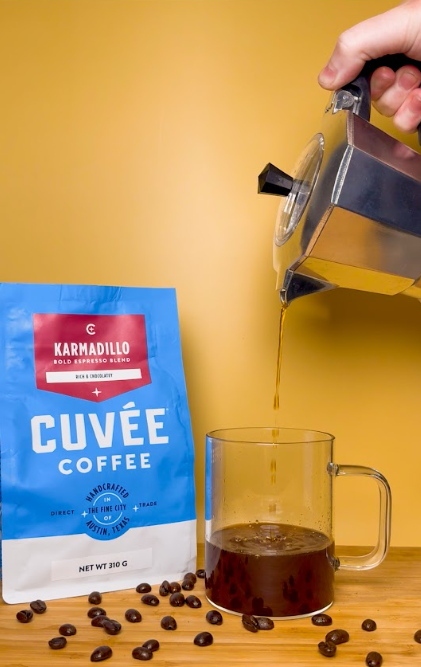
It’s bold up front, and then it hits you with a sweet, almost caramel-like finish. It’s not subtle, but it’s consistent. I think that it is an approachable flavor for most casual coffee drinkers and would still taste great brewed in a drip coffee maker or pour-over. This is a forgiving coffee. Even if your grind isn’t perfect, it still tastes like coffee.
Coffee #2: PT’s – Southpaw Espresso
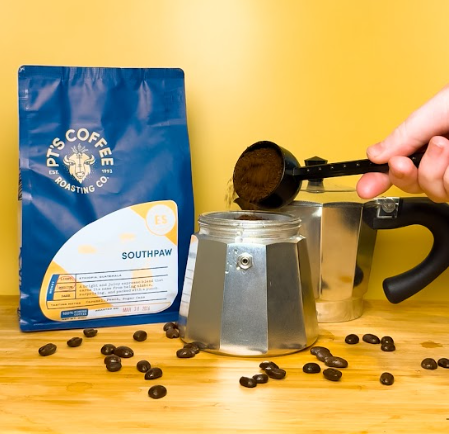
PT’s Coffee Roasting Co. is based in Topeka, Kansas. PT’s is known for a more modern approach, and Southpaw reflects that. The Southpaw Espresso is a blend of Guatemalan and Ethiopian beans and is a light to medium roast.
Right away, I could tell by the aroma that it was going to be a bright, more fruit-forward flavor. Typically, I prefer my espresso to be more on the medium-to-darker roasted side, and I typically prefer a lighter roasted coffee brewed as a pour-over because I feel concentrating those light flavors can lead to a bitter cup, so I was a little skeptical when I received this bag.
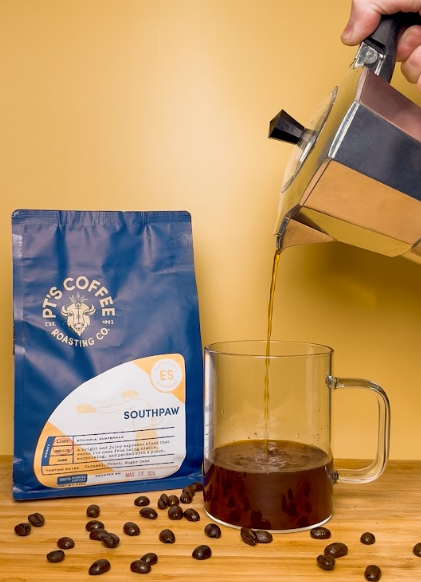
I was genuinely surprised by this coffee as it wasn’t my typical preference, but the flavor was bright, fruity (almost peachy with a slight flavor of honey!) and smooth. It’s very easy to sip on throughout the morning. Personally, I think this is the experience that Trade Coffee is all about. I would have never picked this coffee out for myself because it doesn’t fall into my typical taste preferences, but I was pleasantly surprised by how much I enjoyed it.
Is Trade Coffee Worth It?
Trade Coffee’s quiz is one of its biggest selling points, but it works best as a starting point rather than a precise matching system. The quiz asks the right foundational questions, flavor preferences like chocolatey versus fruity, roast level, and brew method, but most people don’t naturally think in those terms.
Describing coffee as “smooth,” for example, could mean low acidity, a medium body, or minimal bitterness, and translating that into an exact profile is tricky. In practice, the quiz lands you in the right general category, but it won’t fully replace developing your own understanding of what you like over time. It’s helpful, especially for beginners (but it’s not, of course, a shortcut to perfect coffee selection).
Some Considerations:
Many of the critiques you might see on Reddit and Trustpilot are fair, but they’re also not unique to Trade Coffee. Complaints about the Trade Coffee quiz “getting it wrong” usually come down to the inherent complexity of coffee preference, so factors like extraction, brew method, and sensitivity to acidity or bitterness can’t be fully captured in a short questionnaire.
Pricing is another frequent sticking point. Trade Coffee operates at standard specialty coffee pricing, so if your goal is to save money, it’s not the right platform. Shipping can also vary depending on the roaster fulfilling the order, since Trade Coffee doesn’t roast its own coffee.
In most cases, though, deliveries still fall within a reasonable freshness window. Another common frustration is receiving a coffee that may not be a perfect match for you, which is expected when you’re using Trade Coffee as a platform to find new coffees. For example, PT’s Southpaw Espresso wasn’t an exact match for me even when I specified in the quiz that I like a more medium to dark roast. So, when I received the Southpaw Espresso, I was a little disappointed due to it being a light to medium roast, even though I liked it more than I thought I would.
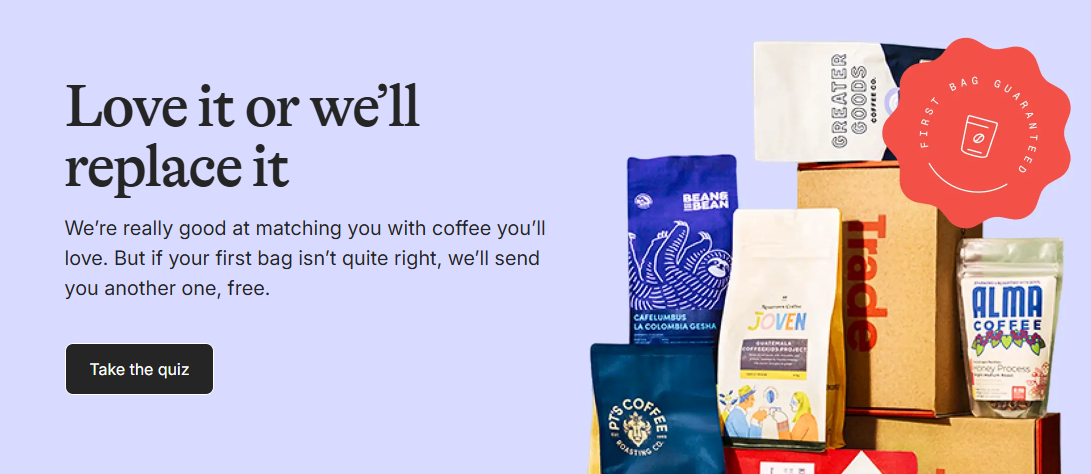
Trade Coffee redeems itself here because you have the ability to rate each order to help narrow down your preferences for your next shipments, but some inconsistency is part of the experience. In addition to the rating system, they also have a first bag guarantee. So if your coffee isn’t to your liking, they replace it for free. Their customer service team is very responsive and accommodating.
Final Thoughts: The Brew Breakdown
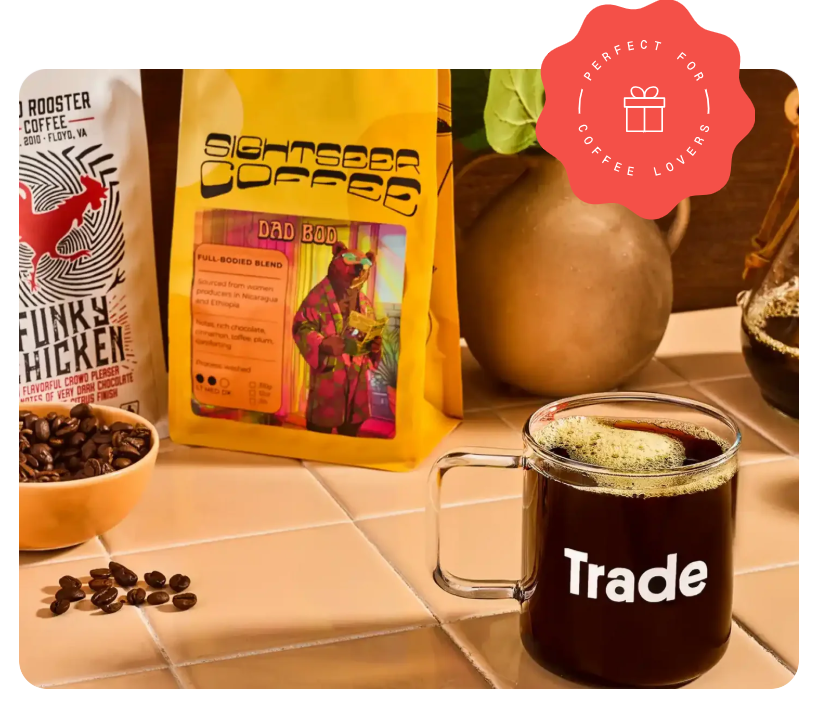
The overall experience struck a balance between both ease and limitation. Trade Coffee’s interface is clean and intuitive, and you can rate coffees, skip shipments, and adjust delivery frequency without much friction. At the same time, the platform leans heavily on guiding users toward its recommendations. For someone new to specialty coffee, that guidance can be genuinely useful.
Trade Coffee stands out for its convenience and access. The company offers a wide range of roasters all in one place, generally maintains good freshness, and provides a flexible subscription system that’s easy to manage. It’s particularly strong as an entry point into specialty coffee, helping users explore different profiles without needing to research dozens of roasters individually.
Overall, my first impression of Trade Coffee has been positive, but I’m using the platform to try new coffees – not trying to find an everyday coffee. Trade Coffee is great for a range of coffee drinkers, from beginners looking to expand their knowledge and tastes to experienced drinkers who are looking for more unique coffees and trying something new. The trade-offs are fairly clear: there’s no real cost advantage compared to buying direct, the Trade Coffee quiz has limitations, and you relinquish a degree of control over selection and timing.
If you already have a favorite roaster, prefer dialing in a specific coffee, or want the lowest possible price, Trade Coffee’s subscription may feel unnecessary. It’s also not ideal for more advanced espresso users who want tight control over variables like origin selection, but if those variables don’t affect your daily coffee routine, Trade Coffee is a great gateway to what the coffee world has to offer.

- 10 Specialty Coffee Roasters Worth Trying in Your Hunt for New Coffee - September 28, 2026
- The Best Coffee Subscriptions for Dark-Roast Espresso Drinkers - September 9, 2026
- Best Small-Batch Espresso Roasters Worth Discovering - August 26, 2026