

I love finding new coffee, but I also think the specialty coffee world can make that unnecessarily difficult. I feel like I see a new coffee roaster or brand pop up on my algorithm every day. But how do I know which ones are worth trying and where to start?
You can spend hours looking at coffee websites, reading tasting notes, comparing processing methods, trying to figure out whether “stone fruit” means peach or a vague coffee-industry version of fruit, and somehow end up ordering the same bag you always buy.
I’ve been working in the coffee industry for years, both behind the bar and around roasting, and one of my favorite parts of the job is finding roasters that I haven’t tried before. There are so many really good specialty roasters around the country that it feels almost silly to keep buying from the same three companies forever.
That’s one reason I like using Trade Coffee as a discovery tool. Trade brings coffees from local roasters together in one place, so instead of researching every roaster individually, you can use your preferences to find new coffees and flavors that you’ll actually like.
Some are more approachable. Some are very much for the coffee nerds. Some are known for fruit-forward single origins, while others are great if you want something a little more balanced and familiar.
Here are 10 coffee roasters that I think are particularly worth knowing about.
1. Huckleberry Roasters
Location: Denver, Colorado
Huckleberry is a really good example of a roaster that sits somewhere between traditional specialty coffee and the more modern, experimental end of the spectrum.
They’ve been roasting in Denver for about 15 years, and their coffees tend to focus heavily on sweetness, balance, and clarity. They roast both approachable blends and more expressive single-origin coffees, which makes them pretty easy to explore without feeling like you’re committing to one particular style. Depending on the coffee, you might get notes of chocolate, caramel, stone fruit, berries, or citrus.
Their Blue Orchid Blend is a good place to start. It carries those classic, familiar notes of chocolate and toffee while also being extremely high quality. What makes this blend so interesting is that they constantly change the origins but try to keep them from the Central American region. But what really makes it stand out is that they implement a darker roast style to these typically “light” flavored origins. It really brings these flavors together in an extraordinary way.
I’d try Huckleberry if you want modern specialty coffee with a little more balance and familiarity. It’s a good roaster for figuring out where your personal line is between “this tastes different” and “okay, this is getting weird.”
2. Atomic Coffee Roasters
Location: Massachusetts
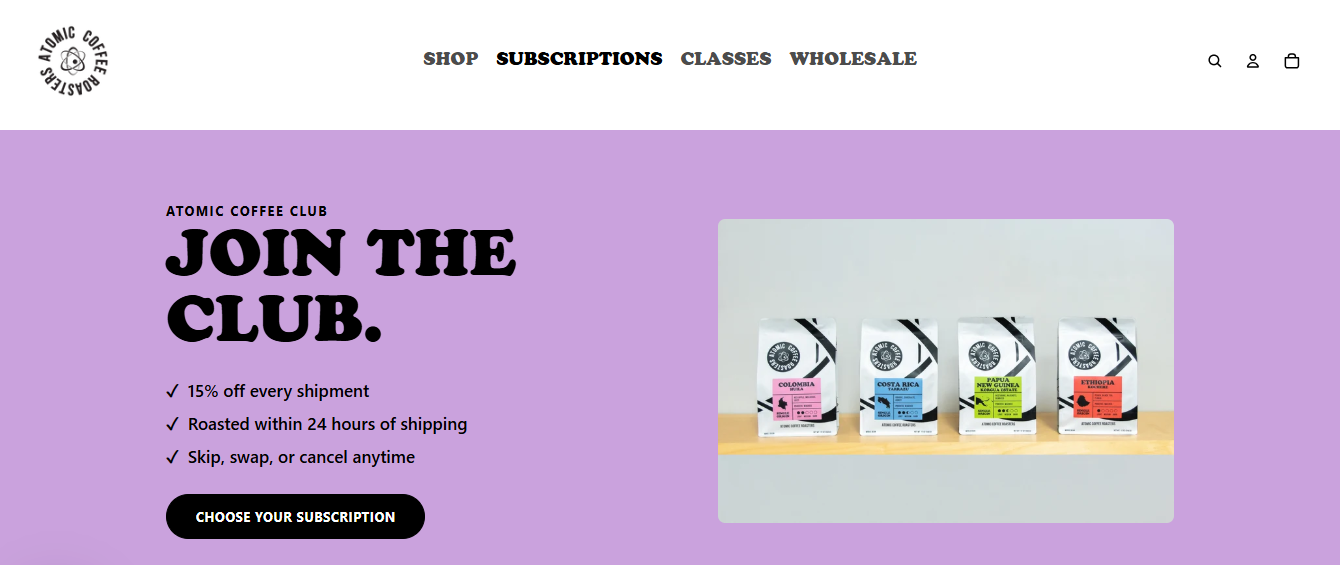
Atomic is a little different from some of the newer specialty roasters because they’ve been around since 1996, so they’ve had a lot of time to figure out what they want their coffee to be.
They have a pretty broad range of coffees. You’ll find coffees with chocolate, caramel, nuts, berries, citrus, and fruit-forward notes, and even a few more experimental options. They also put a fair amount of effort into espresso and blends, which provides a great range for all types of coffee drinkers and home brewers.
If you’re looking for a really unique blend to try, Atomic’s Cosmo is the way to go. It was originally branded as their “Cosmopolitan Espresso” and brings notes of plum, cranberry, and marzipan. It does make an amazing shot of espresso, but it’s also versatile enough that you can enjoy it in about any brew style.
I’d try Atomic if you want to explore specialty coffee while keeping one foot firmly planted in the more familiar side of coffee. They have a great range of origins and roast styles that translate really well to home brewing.
3. PERC Coffee
Location: Savannah, Georgia
PERC is one of those roasters that makes specialty coffee feel a little less serious, and I mean that in a good way. Everything about PERC is fun, from their packaging to their coffee selection.
What I like about PERC is that they’re a good entry point if you’re interested in contemporary specialty coffee, but don’t necessarily want to jump straight into something that tastes like fruit tea. While their coffee may seem experiential, it’s very approachable, which I think is really important when it comes to people just getting into the specialty coffee world.
One of their current blend options that really stands out to me is the Outpost. It’s a play on a classic campfire s’more. It’s a solid and familiar medium roast with notes of graham cracker and marshmallow. It really is a great option to get you out of your comfort zone without straying too far.
I’d try PERC if you want to explore modern specialty coffee but still want your coffee to feel like something you could actually drink every morning. They’re experimental enough to keep things interesting without making you feel like you need a flavor wheel sitting next to your mug.
4. Airship Coffee
Location: Bentonville, Arkansas
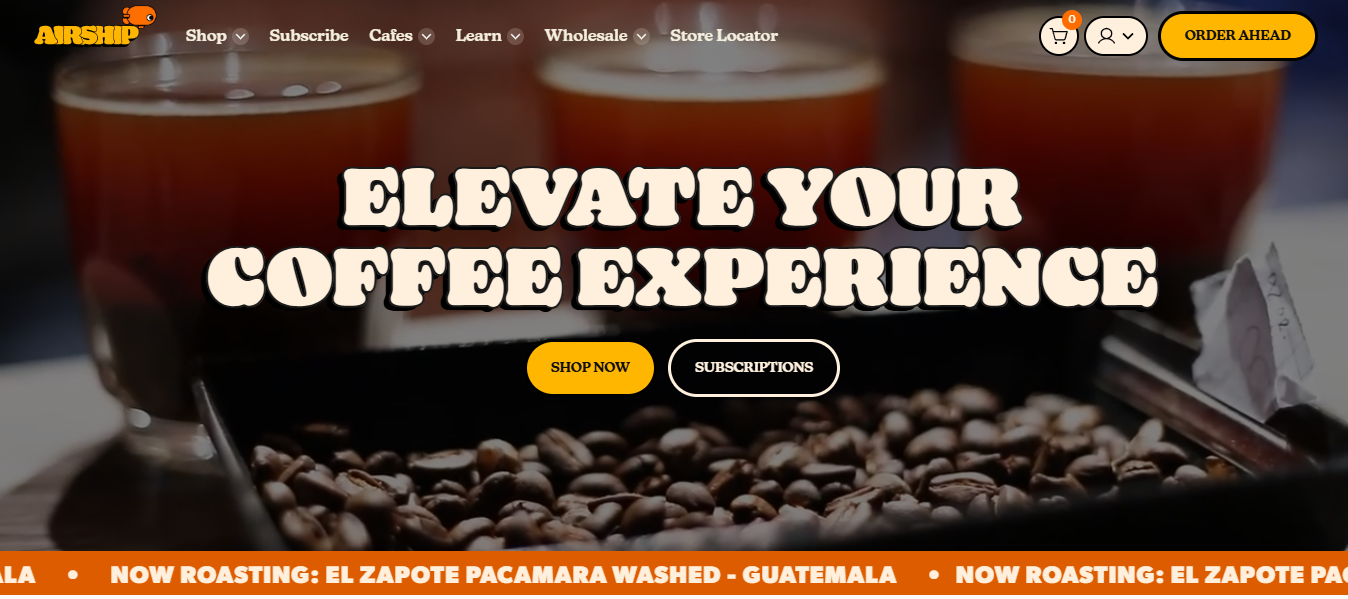
Airship Coffee is another roaster worth checking out, particularly if you’re interested in a company that’s deeply connected to the specialty coffee scene but still offers coffees that work for everyday drinking.
They’re known for sourcing high-quality specialty coffees while maintaining a pretty approachable style. You can find coffees that are sweet and approachable without feeling like you’re being handed the same generic medium roast blend you’ve had a thousand times.
A blend that stands out the most to me is the Black Apple Espresso. When I first opened the bag and got hit with the smell of apples, I will say I was surprised, but alongside the notes of cherry and dark chocolate, it made for an incredible cup.
Their coffees can work particularly well for home brewers who want to explore origins and processing without making every morning a science experiment.
I’d try Airship if you want specialty coffee that still feels comfortable and drinkable on a Tuesday morning, because honestly, that’s an underrated quality.
5. Greater Goods Coffee Roasters
Location: Texas
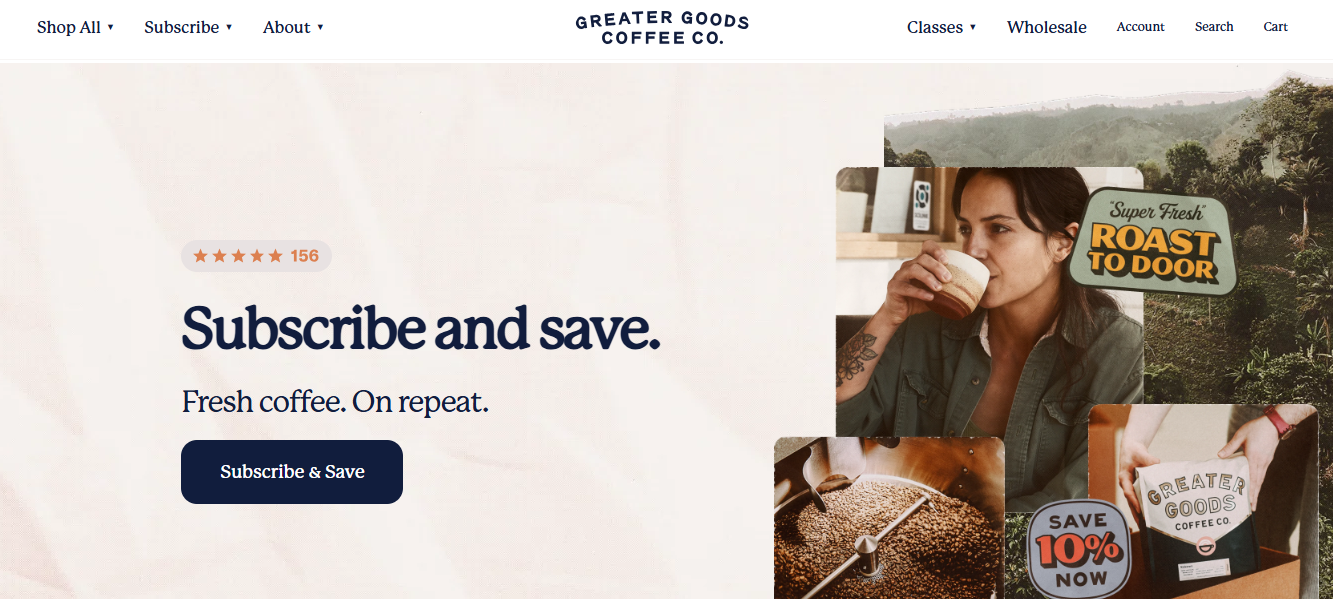
I have to give Greater Goods a spot on this list, partly because they’re doing really interesting specialty coffee in Texas. I’m a native Texan and love supporting local coffee roasters. They’re based in Austin and have developed a strong reputation for quality, sourcing, and roasting.
I love that Greater Goods is a woman-owned, small-batch roaster with a focus on positively impacting communities in Texas as well as the origins they source from.
One of the coffees I’m particularly fond of is Spark. It’s produced by a women-led farm in Mexico. It has a lighter roast profile, but the notes of tamarind, cashew, and milk chocolate come together and make a one-of-a-kind cup.
I’d try Greater Goods if you’re looking for a quality small-batch roaster and care about where and who your coffee is being sourced from. It is a win-win situation in my book.
And being from Texas doesn’t hurt.
6. Sightseer Coffee Roasters
Location: Austin, Texas
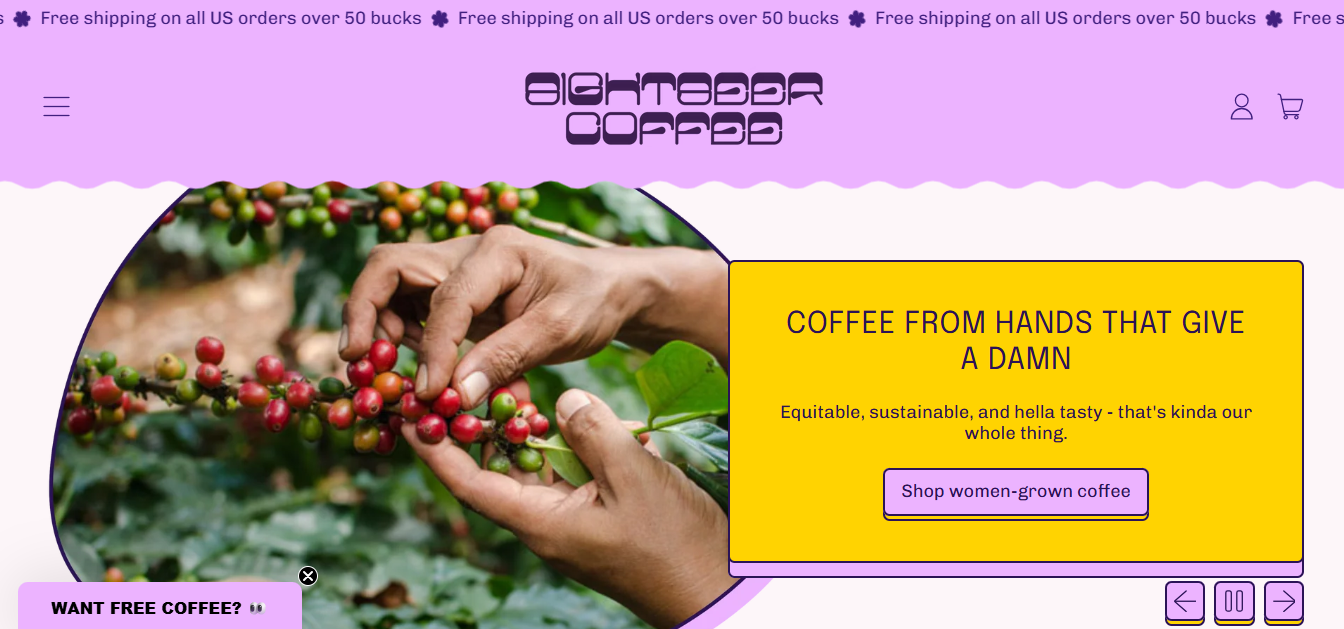
Sightseer Coffee Roasters is another Texas name I’d put on a specialty-coffee discovery list. It’s another woman-owned roaster that takes a very serious approach when it comes to sourcing coffee.
Sightseer is particularly interesting if you like modern specialty coffee but still want coffees that feel balanced and approachable.
The Mayan Harvest is a great example of this. Most coffee drinkers have had coffee of Mexican origin before, but not like this. Mayan Harvest has notes of cherry tootsie pop, pomegranate, and creamed honey. I promise this will taste like no other Mexican-origin coffee you’ve ever had.
Their lineup changes, so this is a good roaster to explore rather than a company where I’d tell you there’s one single bag that everyone has to buy. That’s actually something I appreciate about specialty roasting: the coffee changes.
I’d try Sightseer if you like modern specialty coffee but want something balanced enough to drink regularly.
Plus, their packaging design is fun and eye-catching!
7. Verve Coffee Roasters
Location: California and Georgia
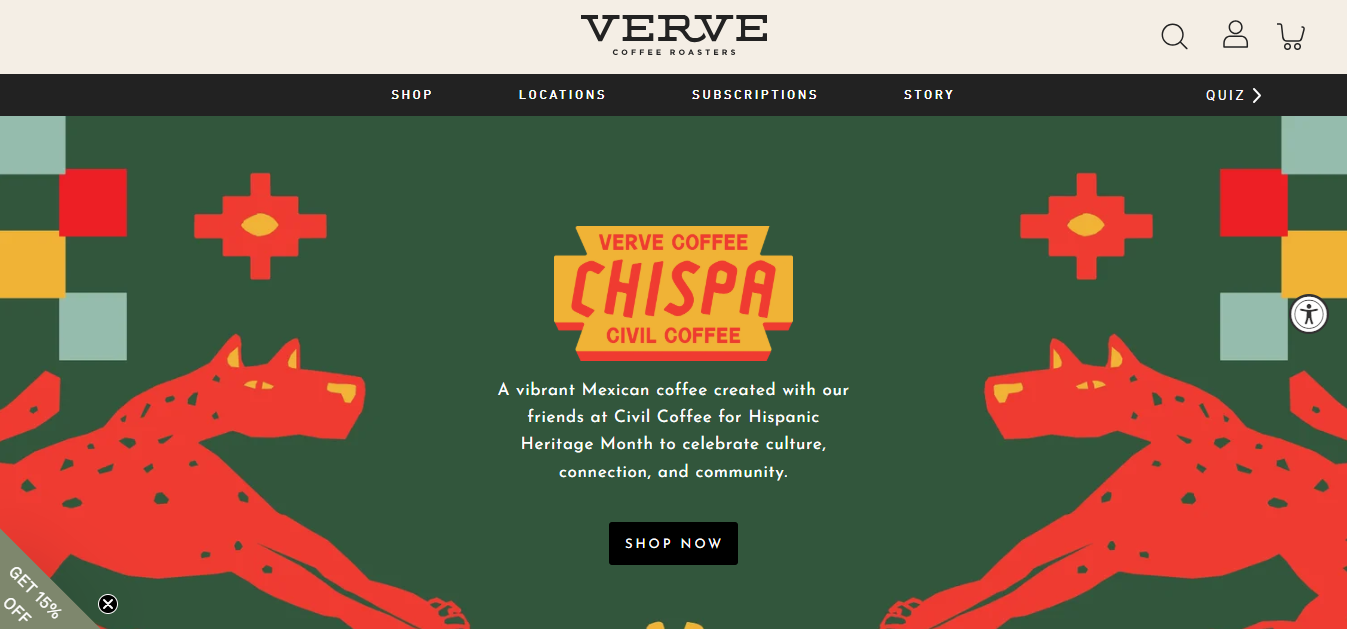
Verve is another big name in specialty coffee, particularly on the West Coast.
They’re based in California and have grown considerably over the years, but I still think they’re worth including for someone who wants to explore specialty coffee without immediately diving into the deepest end of the pool.
Their Streetlevel blend is one of their better-known coffees and is a good example of a more approachable style. It’s a blend of Central American coffees and makes for an extremely versatile medium roast that tastes familiar but has just enough hint of citrus to keep you curious.
Verve also has plenty of single-origin coffees if you want to branch out.
Verve is a particularly good transition roaster. If you’re coming from commercial coffee and want to understand what specialty coffee is about, you can start somewhere familiar and gradually get more adventurous.
I’d try Verve if you want specialty coffee that feels polished and approachable but still interesting.
8. Red Rooster Coffee
Location: Virginia
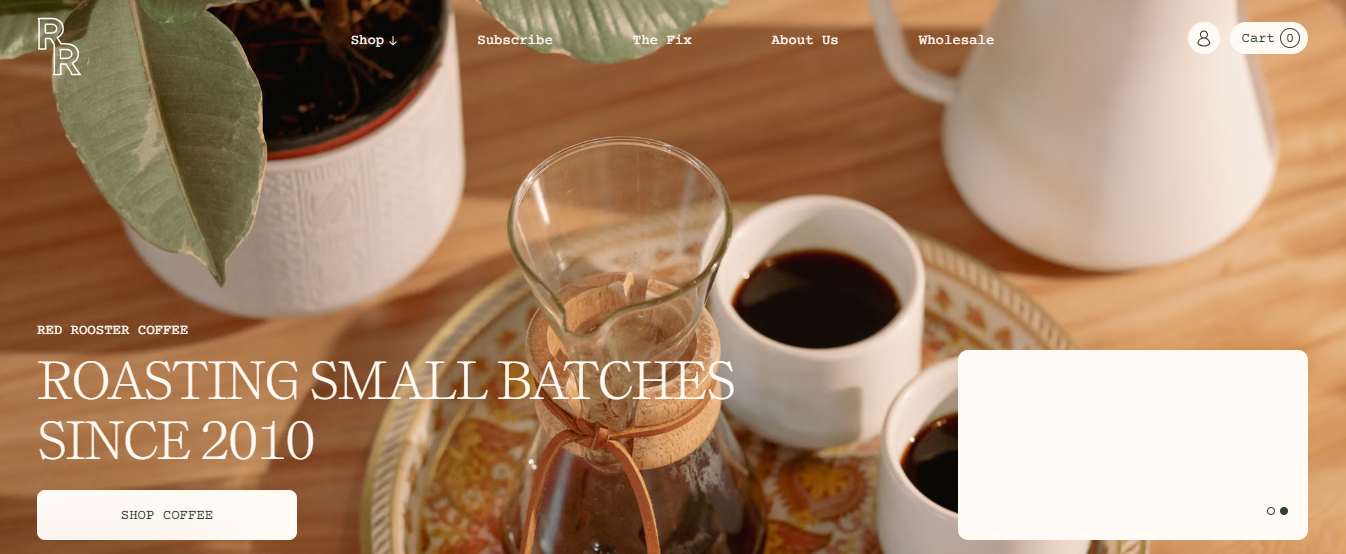
Red Rooster Coffee is one of those roasters that can get overlooked when people make lists of specialty coffee because it doesn’t necessarily have the same internet celebrity status as some of the newer names.
That’s exactly why I like including it.
Based in Floyd, Virginia, Red Rooster has been roasting specialty coffee for years and has built a strong reputation for sourcing and roasting across a variety of origins.
The Raven blend is one of their more recognizable darker offerings. If you like dark roast, this is for you. It’s a Central American blend and is the deepest roast they make. You’ll get notes of bittersweet chocolate, praline, and pipe tobacco. With this blend, I feel like they are bringing something experimental to the table without pushing away people new to the coffee world.
That makes Red Rooster a particularly good option if you like specialty coffee but don’t necessarily want every cup to taste like an experiment, or you know you don’t care for the lighter, fruit-forward blends.
I’d try Red Rooster if you want well-sourced specialty coffee with some more traditional and approachable options.
9. Irving Farm
Location: New York
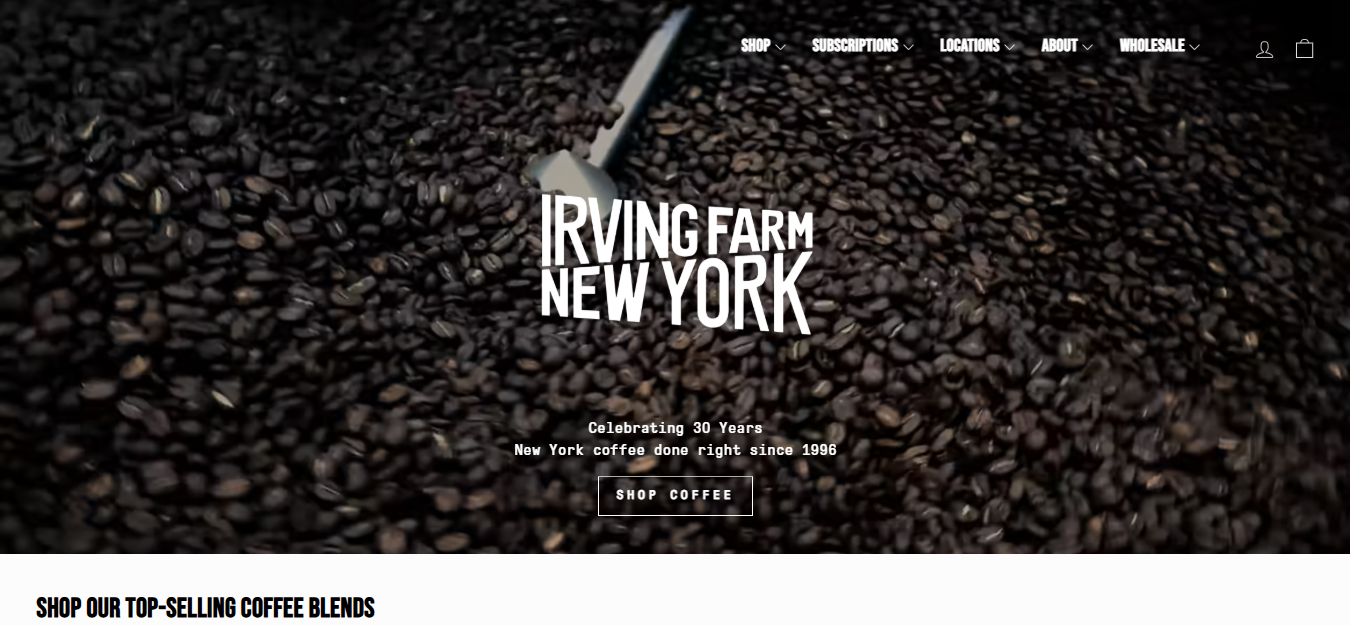
If you like the idea of specialty coffee but still want something that feels connected to a classic café experience, Irving Farm is worth exploring.
They’ve been part of New York’s specialty coffee scene for a long time, and their coffees tend to cover a pretty broad range.
Their Blackstrap blend is one of the coffees I associate with their more traditional, rich side. It’s a really solid espresso blend with notes of molasses, orange peel, and dark chocolate. It’s a good reminder that specialty coffee isn’t synonymous with light roast.
You can care about sourcing and quality and still want a coffee with body and chocolatey flavors. That is extremely important for anyone who thinks specialty coffee automatically means something bright and acidic.
I’d try Irving Farm if you want specialty coffee with a little more traditional New York café sensibility.
10. Methodical Coffee
Location: Greenville, South Carolina
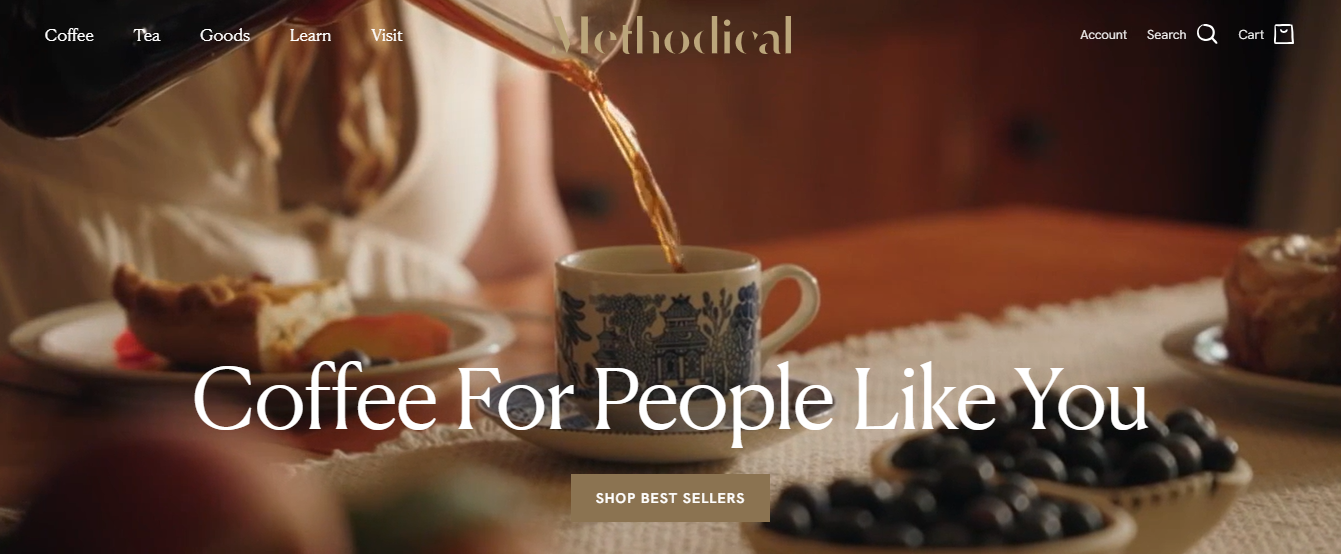
Last but definitely not least is Methodical Coffee out of Greenville, South Carolina. Methodical is a great example of a modern specialty roaster that has a pretty broad range of coffees.
They do everything from approachable blends to more expressive single origins, which makes them a good company to explore if you’re not completely sure where your preferences are going yet.
Their Metodico Espresso is a good place to start if you want something more balanced before getting into individual origins. It’s inspired by the traditional Italian style of espresso drinking. It stands alone perfectly but also pairs well with milk.
Then you can work your way into some of their more interesting coffees, like those in their Avant-Garde collection, which push the conventional way of enjoying coffee and offer roasts that closely resemble tea.
I’d try Methodical Coffee if you are ready to jump into the deep end of specialty coffee. They are going to have something familiar but also provide you with coffee that will change your mind about the specialty coffee world.
So How Do You Actually Try All These Roasters?
This is where Trade Coffee comes in.
You could absolutely visit all 10 of these roasters’ websites, create 10 accounts, figure out 10 different shipping schedules, compare roast dates, remember which coffee you liked from which company, and eventually end up with a kitchen counter full of half-used bags.
But Trade gives you a way to explore coffees from different local roasters through one subscription and discovery platform. You complete a quiz, answering questions about your brewing method and flavor preferences, and Trade will provide personalized recommendations. No research necessary.
It’s a great option for those who are already familiar with their palate, but want to explore other brands. If I know I prefer a chocolatey, heavier espresso, I don’t want someone randomly sending me the most acidic light roast available because they think I need to “expand my horizons.” But I do want to try different variations of espresso that I’m likely to enjoy. I want to explore within my preferences. Then maybe once in a while, I’ll try something completely different. That’s how I actually discover coffee I like.
Trade can be the middle step between “I drink coffee” and “I have somehow become a coffee connoisseur.”

- 10 Specialty Coffee Roasters Worth Trying in Your Hunt for New Coffee - September 28, 2026
- The Best Coffee Subscriptions for Dark-Roast Espresso Drinkers - September 9, 2026
- Best Small-Batch Espresso Roasters Worth Discovering - August 26, 2026