


For some of us (or most), our dogs are our children. Whether it’s the pup you got attached to when you promised your kids a family dog, a shelter puppy that stole your heart, or your soul-dog that found you when you needed him or her the most. Our dogs are our best friends and confidants, and we want what’s best for them.
Because I really want to understand what’s best for my dogs, I found that there is most certainly not a one-size-fits-all feeding solution, not for my pack anyway. What’s working best for my German Shepard is not the best for my cross-breed of maximum proportions rescue (she has the color of a rottie, the temperament of a lab, and the bark of a daschund).
The good news? Dog owners today have more premium food options than ever: from raw diets to gently cooked meals (and even those handy freeze-dried treats). At first glance, it all looks fancy and “better,” but great branding and ‘premium’ does not automatically mean it is the right fit for your dog. The reality is more nuanced. What is actually best depends on your dog’s health, your household, and how much time and effort you are willing to commit to handling, storing, and serving meals safely.
That’s why I want to feed them food created by a company that wants what’s good for my dogs, and not just the company’s profit margin. I think I’ve found two companies that put their heart into their product: We Feed Raw vs Farmer’s Dog Cooked Food
Now, I know this comparison is pitting the two against each other in terms of which is the superior brand, but here’s the thing: they offer two different types of food. One is raw, and the other is cooked.
Ingredients & Nutritional Composition
I tried a few options with my dogs, including We Feed Raw and The Farmer’s Dog, and along the way I learned that the best diet is really about matching food to your dog’s needs, your lifestyle, and yes, your sanity. Here is what I noticed, along with the research that helped me make sense of it all.
We’re going to start with one of the most important components of my dog’s meals, the ingredients and nutritional composition.
We Feed Raw

As you can probably tell, We Feed Raw focuses almost entirely on animal-based ingredients: muscle meat, organ meat, and fresh, uncooked bone. What I really appreciate about their formulations is the flexibility. There’s a wide range of proteins available, which makes a genuine difference if you’re feeding a sensitive dog or simply want to rotate proteins for nutritional diversity. If chicken does not agree with your dog, you can switch to turkey as a leaner option, or rotate through beef, lamb, or duck without having to rethink the entire diet.
The recipes are finished with a small number of targeted vitamins and minerals, including flaxseed, zinc, vitamin E, manganese, and vitamin D. These are added deliberately and in measured amounts to meet AAFCO guidelines while supporting whole-body health. Rather than rebuilding nutrition after processing, the goal here is to preserve as much of the natural nutrient profile as possible and supplement only where consistency is needed. The result is a diet that is high in protein, very low in carbohydrates (which dogs do not require), and designed to align closely with how dogs are biologically wired to eat.
Raw diets, when formulated correctly, can meet all essential nutrient requirements. One of the advantages of a commercial raw brand like We Feed Raw is that it removes the guesswork. Nutrient levels in meat and organs can naturally vary from batch to batch, so the precise vitamin and mineral additions help ensure your dog gets the same complete nutrition every time.
My personal take is simple.
My larger dogs’ excitement the first time they tried We Feed Raw was immediate and unmistakable. The energy shift was noticeable, and over time, so were the more subtle changes in coat condition and overall vitality. As for handling, this is often the biggest mental hurdle for people considering raw, but in practice, it’s no different from managing any other frozen dog food subscription. The meals arrive frozen, live in your freezer, and are thawed and served much like gently cooked options from brands like The Farmer’s Dog. Basic food safety habits apply, just as they do when handling raw meat for your own meals, and once it becomes part of your routine, it feels just as convenient as any other direct-to-consumer food subscription service.
Farmer’s Dog

The Farmer’s Dog takes a gently cooked approach, using proteins like turkey, chicken, or beef combined with vegetables such as sweet potatoes, carrots, and green beans. The meals are finished with a vitamin and mineral premix to meet AAFCO standards for complete nutrition. Because the food is cooked, it naturally contains more carbohydrates and fiber than a raw diet, which can be helpful for some dogs, particularly those that struggle with very rich or protein-dense meals.
Cooking, however, does change the nutritional profile of food. Heat reduces naturally occurring enzymes, amino acids, and certain vitamins that are present in raw ingredients, which is why cooked foods rely on added vitamin-mineral blends to restore what is lost during processing. This does not make the diet unsafe or incomplete, but it does mean the nutrition is rebuilt rather than preserved in its original state.
That difference matters to me.
I tend to lean toward a nutrient-first approach whenever possible, one that prioritizes ingredients in their least altered form. My grandmother’s dog lived to 21 years old and ate raw food his entire life. He was healthy, mobile, and sharp well into old age, and that experience left a lasting impression on me. I want as much time as possible with my own dogs. If feeding in a way that preserves natural nutrients gives me even a small chance at prolonging the sound of their paws pitter pattering down my hallway, it feels worth it.
That said, no single diet is right for every dog. Some do better with cooked food, while others truly thrive on raw. The most important thing is paying attention to how your dog responds over time. Energy levels, digestion, coat condition, and overall vitality will always tell you more than a label ever could.
Synthetic Vitamins: Myths vs Reality
Synthetic vitamins are one of the biggest talking points for dog owners. Some critics argue that if a diet contains a premix, it isn’t “natural,” and that synthetic nutrients are somehow inferior to what’s found in whole foods. But the truth is more nuanced:
- Natural nutrient levels in meat and organ tissue vary, so premixes ensure your dog receives the required amounts of each vitamin and mineral.
- Differences in bioavailability exist between natural and synthetic forms, but these differences are minor when the diet is properly formulated.
- Both We Feed Raw and Farmer’s Dog use premixes responsibly to meet feeding-trial standards.
From what I can gather, premixes are a safety net, not a red flag. They guarantee that dogs get all essential nutrients consistently.
Ultimately, the debate is less about “good” or “bad” and more about a trade-off between purity and reliability. While some owners prefer fully raw meals with no added nutrients, many vets and nutritionists agree that premixes are the safest way to guarantee a complete diet while still using fresh, whole-food ingredients.
Safety and Microbial Risk
Both diets can be safe when handled correctly. The difference lies mainly in the approach: HPP for raw versus heating for cooked meals.
Raw Diets
Raw food can carry pathogen risks when not properly prepared.
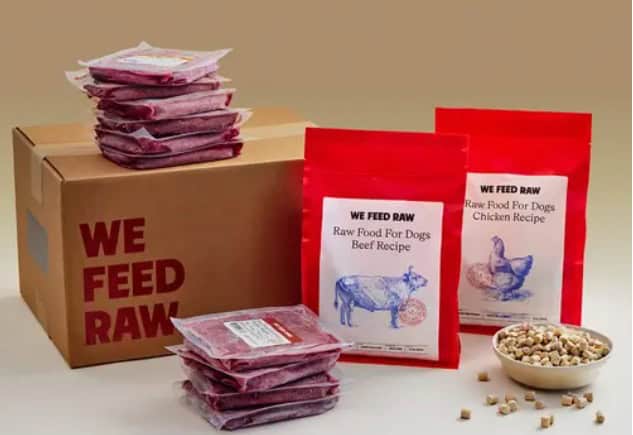
I like that We Feed Raw addresses this with High-Pressure Processing (HPP), a non-heat method that inactivates harmful bacteria while preserving nutrients. I did some digging and found that both frozen and freeze-dried meals are HPP-treated before shipping, significantly reducing pathogen risk.
At the end of the day, We Feed Raw’s food is just as safe as gently cooked. They’ve put the right safety steps in place, including a 5-log reduction process, which makes the argument about safety all but outdated. Safety should always be a concern when handling food, and yes, raw food can bring a set of challenges but that’s only if the company has not got proper handling and safety steps in place. But this is the case for any food manufacturer, whether cooked or raw. Ultimately, I find this is what makes We Feed Raw so compelling as a brand. They’re delivering a raw option that prioritizes freshness and nutrient preservation, while still doing everything necessary for safety standards and holding themselves, and other pet food brands in the industry, to a high standard.
Cooked Diets
The Farmer’s Dog reduces risk through gentle cooking. Cooking meat to safe temperatures kills most common pathogens, and meals arrive refrigerated and ready to serve. While the inherent microbial risk is lower, proper storage and monitoring of use-by dates are still essential. Some dogs may be sensitive to higher fat or protein content, but overall, cooking adds a built-in safety layer.
Recalls and Regulatory Compliance
Both brands comply with AAFCO standards and have strong reputations.
We Feed Raw
We Feed Raw is highly regarded in the raw-feeding community. I scoured Reddit, forums, and reviews, and I found plenty of dog parents saying their dogs absolutely loved the taste. It also seems like the nutrient density, transparency, and handling precautions are emphasized by the brand, and the community that uses We Feed Raw supports this brand because these are all qualities that are super important and indicative of a brand that knows how to do raw food well. The brand maintains a recall-free record, which was a huge green light when it comes to considering making the switch to raw food, and even to veterans who are choosing a new raw brand to offer their pups.
Farmer’s Dog
People who love this brand do so because of its convenience, human-grade ingredients, and digestibility. I saw quite a few owners report improvements in energy and coat condition, but I’d like to know what those dogs were on prior, though, because it could also be a switch from kibble to gently cooked, for example. As far as criticisms go, they generally focus on subscription costs and occasional digestive sensitivity.
At the end of the day, both brands have strong reputations, but they appeal to slightly different audiences: Natural, non-processed enthusiasts versus owners seeking convenience with cooked meals.
Subscription Logistics and Daily Life
We live in an age of convenience, so it would be odd if neither brand offers delivery service to your door. The difference is mainly in how the subscription itself works and how the meals are packaged.
| Feature | We Feed Raw | The Farmer’s Dog |
| Delivery | Frozen patties | Cooked packs |
| Portioning | Meal-sized | Daily pre-portioned packs |
| Storage | Freezer required | Fridge |
| Flexibility | Pause or skip orders | Pause available; changes may require cancel and resubscribe |
| Prep | Thaw & portion | Ready-to-serve |
Both subscription models save time compared with shopping and portioning weekly, but the frozen We Feed Raw meals need to be planned for appropriately. They did recently launch Freeze-Dried Raw Nuggets which are shelf stable and don’t require any freeze or fridge space or thawing.
Cost Considerations
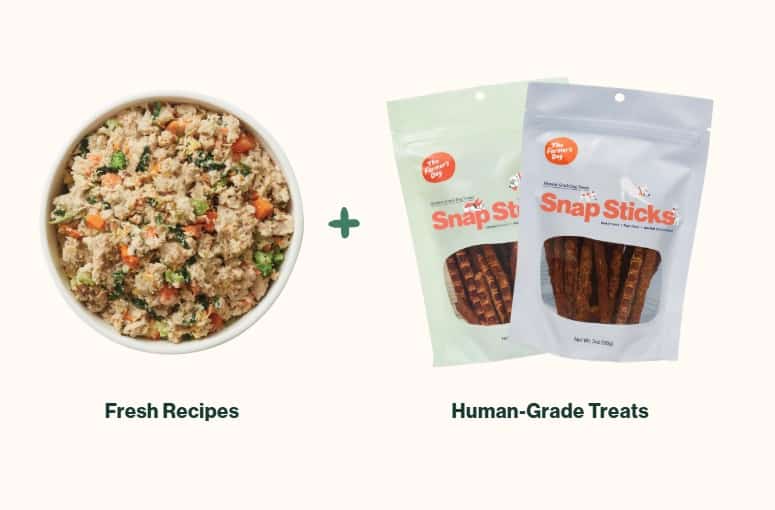
On paper, raw food almost always looks more expensive. There is no way around the fact that raw feeding relies heavily on animal proteins, and protein is the costliest part of any pet diet. Where kibble and even cooked diets can use starches and legumes to help balance price, raw diets have far less room to dilute cost with fillers, which helps to explain why the price tag tends to land higher.
That being said, cost isn’t the whole story, and this is where We Feed Raw’s positioning becomes more interesting. Their pricing can be higher than some competitors, including Farmer’s Dog, depending on your dog’s size, but if you’re shopping for raw food the chances are pretty high that you aren’t shopping with to goal of finding the cheapest option. You’re likely shopping for nutritional density, digestibility, ingredient quality, and safety. When you evaluate cost through that lens, the price conversation shifts from “this is expensive” to “what exactly am I paying for?”
The Personalization Price Tag
Another factor to consider is personalization. The dog-food subscription space talks a lot about personalization, but not all brands do it in the same way.
Both brands ask thoughtful onboarding questions such as your dog’s age, weight, breed, activity level, and body-condition goals. They use these details to calculate a feeding plan that helps keep your dog at a healthy weight. The type of personalization you receive feels a little different between the two brands.
Farmer’s Dog Personalization
The Farmer’s Dog focuses primarily on calorie-based personalization and convenience. During sign-up, you enter your dog’s details including current weight, ideal weight, age, activity level, neuter status, and body-condition score. The plan then adjusts calories and portions so that meals arrive pre-portioned and ready to serve which can make feeding simple and helps prevent overfeeding. It is tailored, but the recipes themselves do not change. You choose from a fixed menu of cooked recipes, and personalization occurs through portion size rather than ingredient changes.
My issue is that when adding all the details, you have to input your dog’s ideal weight. I made the mistake of telling The Farmer’s Dog that I have four dogs, and then I had to go through the long process of trying to figure out the ideal weight for all four before I got to the recommendations.
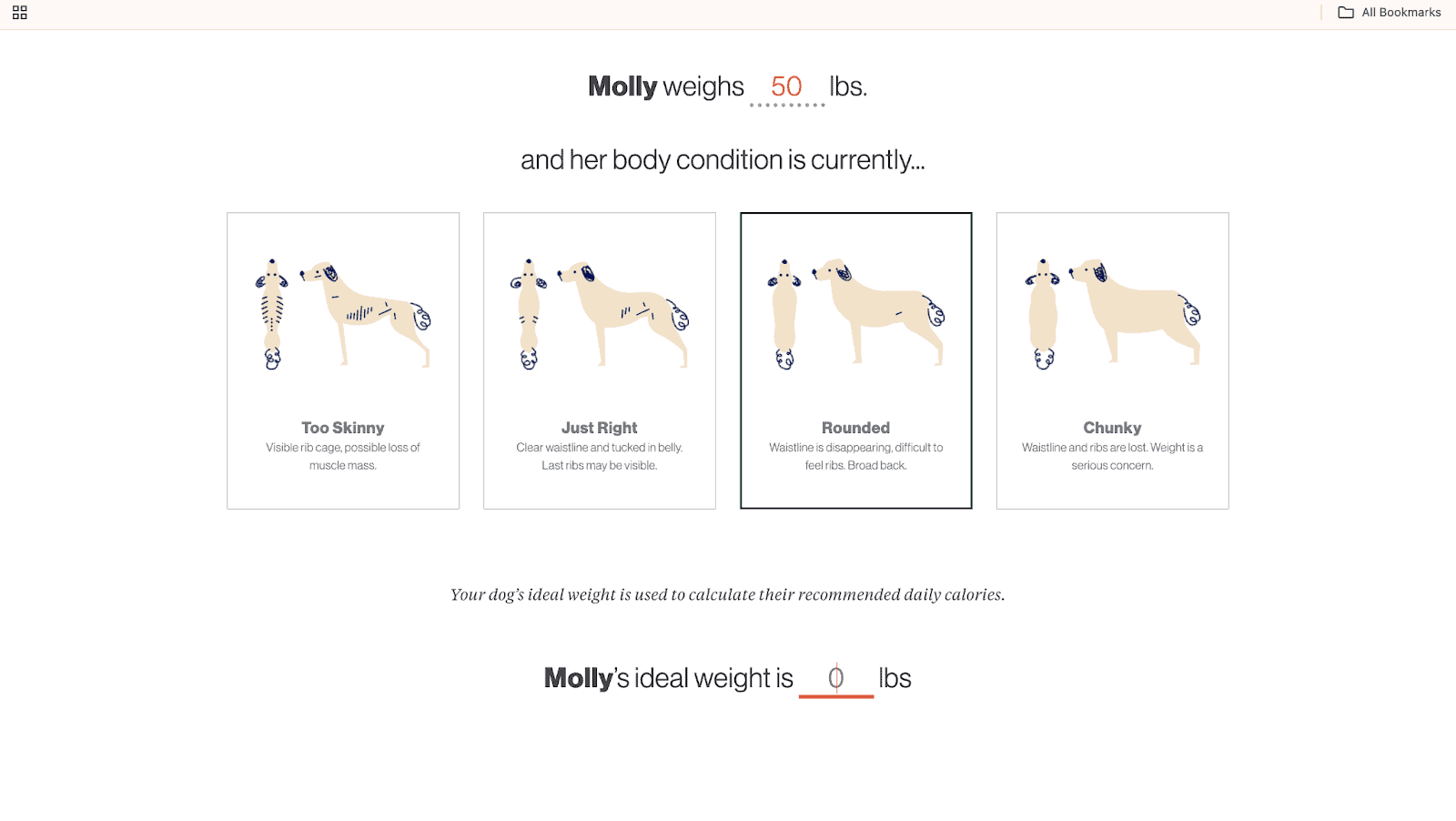
Molly, being the youngest and most mixed of breeds (a rescue), well I had no clue what to place her ideal weight off the top of my head. Since that data is used to calculate the recommended daily calories, it is important to get that correct!
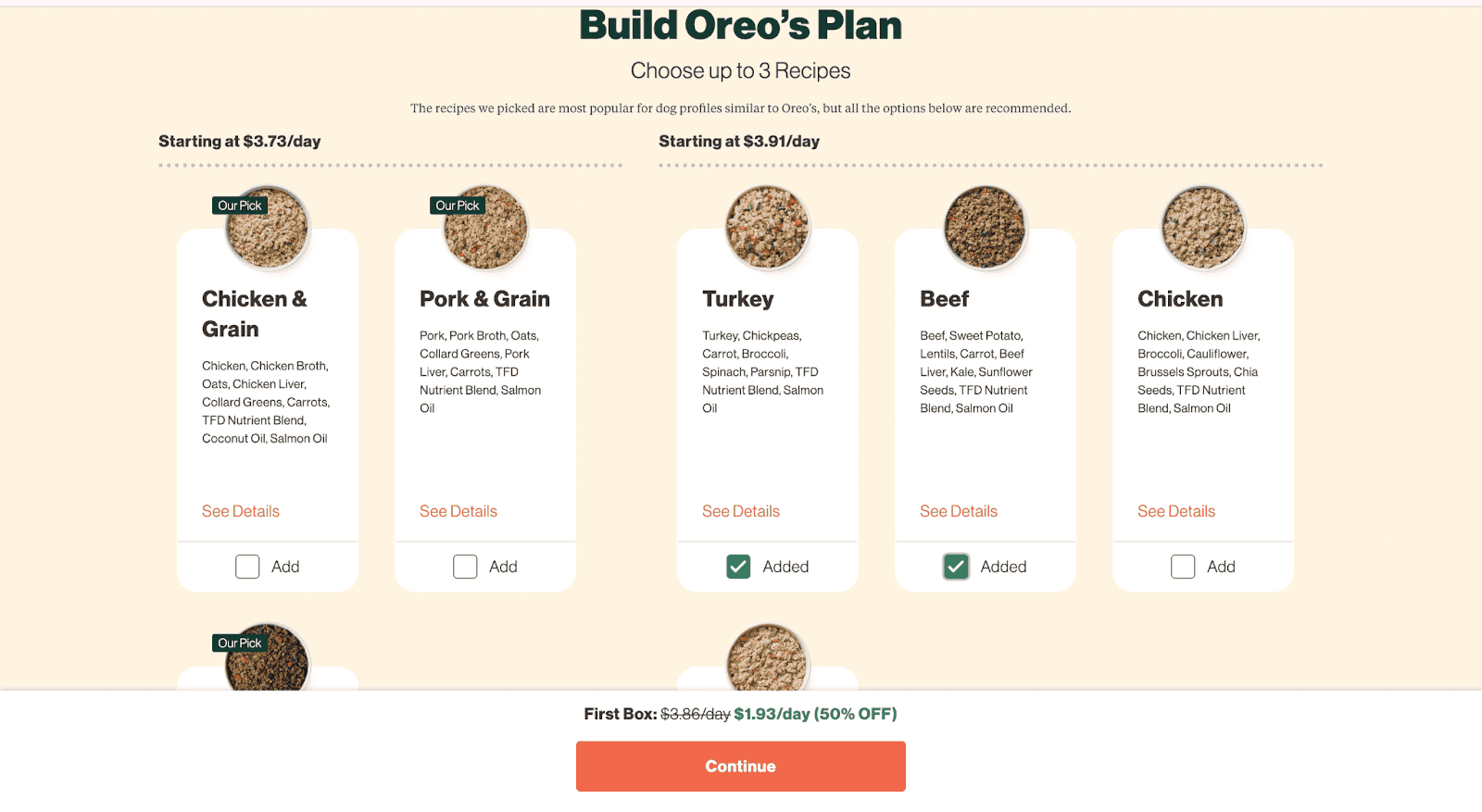
I did like they gave me the option to chop and change the different recipes, although I couldn’t necessarily change what was in each pack. And then I also found it strange they recommended pork for my one smaller dog that I listed as being slightly overweight, which is traditionally a protein that an already slightly overweight dog shouldn’t be chomping on. On the plus side, however, I like they outline every ingredient in each pack.
We Feed Raw Personalization
We Feed Raw personalizes differently. Because raw feeding can vary by breed, age, and activity level, their system creates a meal plan that is pretty transparent. You can see the exact breakdown of meat, organs, bone, and added vitamins for your dog. You also have far more control if your dog has intolerances, food allergies, or digestive sensitivities. I added my German Shepherd’s details to the site and I appreciated being able to choose specific proteins or rotate proteins based on his needs.
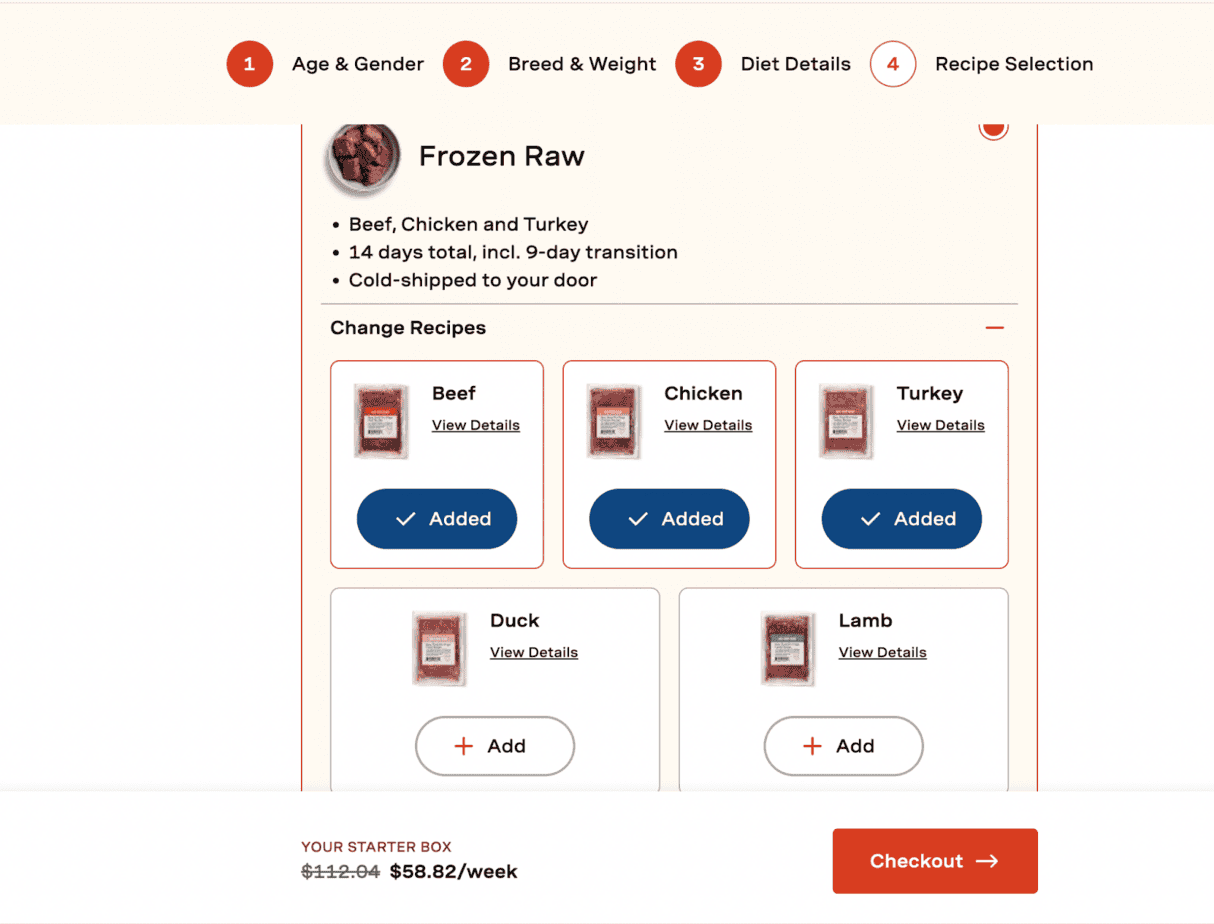
If you want a single-protein elimination diet, they provide it. If your dog does best on lean meats, you can tailor for that. If you want to introduce variety, their system allows you to do so without disrupting your dog’s macros.
I then compared it with my smaller Daschund’s details, and since I know his stomach and digestion can be a little tricky at times I appreciated that they offer a transitional guide, and preportion/pre-mix a specific plan to help with the transition.
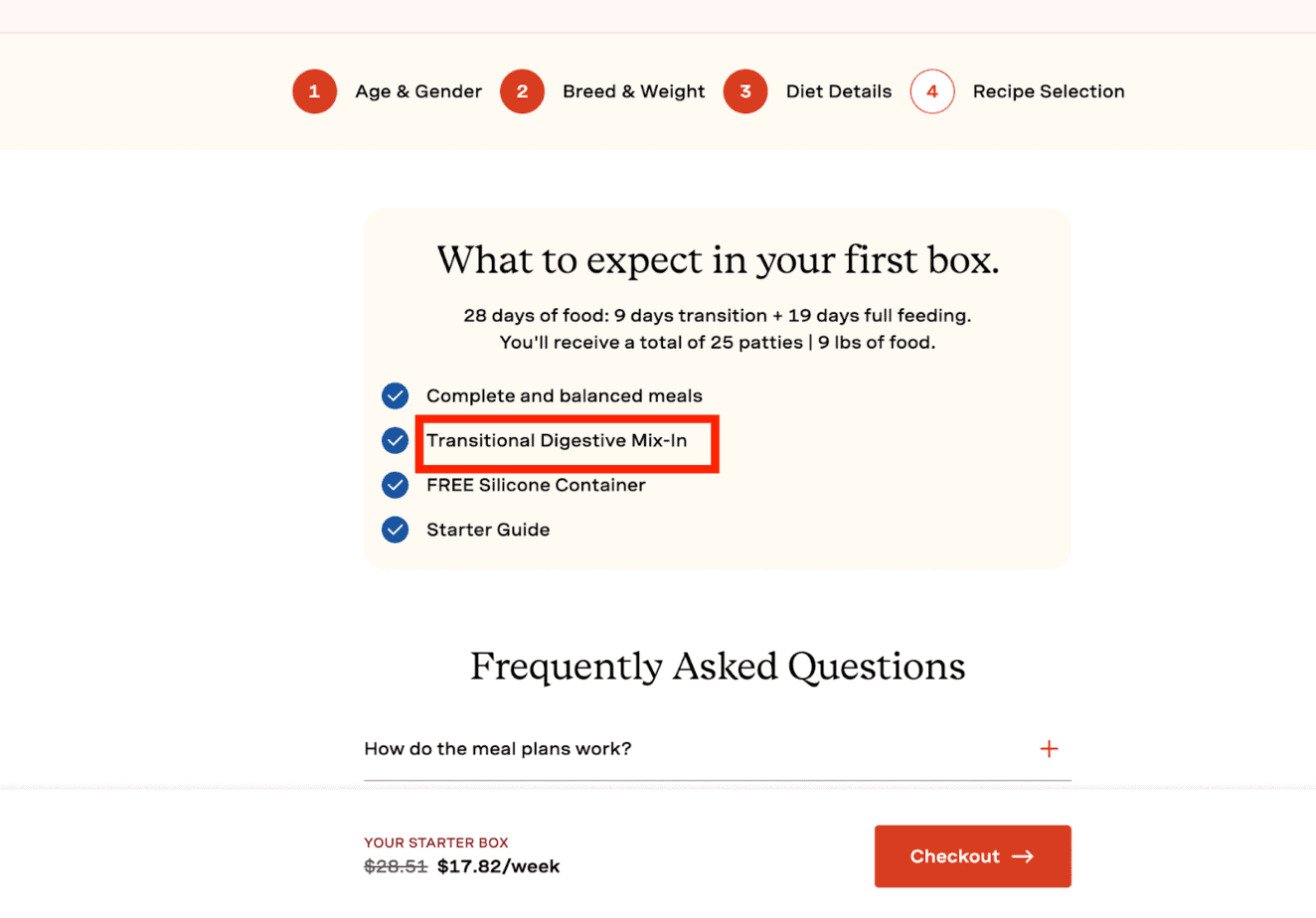
In simple terms, The Farmer’s Dog personalizes how much your dog eats, while We Feed Raw personalizes what your dog eats and how your dog eats it. Both approaches work well. The difference is that We Feed Raw gives you more options if your dog has unique dietary needs, while The Farmer’s Dog offers personalization that stays streamlined for owners who want something simple and consistent.
Finding the Right Fit for Your Budget
So, while We Feed Raw may cost more upfront, the question becomes: What is included in that cost? If you want a raw diet that is high in protein, formulated by a PhD animal nutritionist, exceeds AAFCO standards, safe to handle, is biologically the most appropriate, and customizable to your dog’s exact needs, the cost reflects precisely those advantages. If you prioritise convenience, cooked meals, and cost stability, The Farmer’s Dog might be a better match for your lifestyle. Both brands are premium, but they’re designed with different goals in mind. The real decision is which one aligns with your dog and your home.
We Feed Raw vs Farmer’s Dog In a Nutshell…
At the end of the day, there is no one-size-fits-all answer when it comes to feeding your dog. Both We Feed Raw and The Farmer’s Dog offer thoughtfully prepared meals, but they approach nutrition in different ways.
Raw diets provide a high-protein, low-carb option that mirrors a dog’s ancestral diet, while cooked meals offer a higher carb count.
The right choice depends on your dog’s health, digestive tolerance, age, and activity level, as well as your household setup, available storage, and willingness to handle raw or refrigerated meals safely.
Understanding the role of synthetic vitamin premixes, microbial safety practices, and nutritional balance can help you make a confident, informed decision.
Ultimately, the best diet is the one that fits your dog’s needs consistently, keeps them healthy and happy, and works for your lifestyle; whether that’s raw, cooked, or a combination.
Related Read:
- We Feed Raw Review
- Nom Nom Dog Food Subscription Review: Does Daphne Approve?
- ButcherBox vs US Wellness Meats: Features & Main Differences!

- We Feed Raw vs Farmer’s Dog Cooked Food: What Actually Works for Your Dog - January 9, 2026
- Top Farmer’s Dog Alternatives for Fresh Food Lovers - October 22, 2025