

If you’ve been shopping around for a wine delivery service, you’ve likely come across both wine clubs and subscription boxes.
Sometimes, these terms are used interchangeably, but they’re typically used to describe different types of recurring memberships with different offerings.
Before you commit to anything or get surprised by what arrives in your first shipment, it’s worth understanding what these models mean in practice so you can choose the one that offers the types of wines and benefits you’re hoping for.
Where the Wine Comes From
The biggest difference between a wine club and a subscription box isn’t the packaging or the price; it’s the source.
Wine clubs are almost always winery-direct. When you join a traditional wine club, you’re usually signing up with a specific winery (or a small group of partner wineries) to receive their exclusive releases. For example, a Napa Valley or Paso Robles winery that ships you a select number of their estate wines every quarter. You’re essentially supporting an individual winery and building a relationship with the producer — the wines you receive are only those made by that producer, and the selection reflects the style of their portfolio and the vintages offered.
Subscription boxes, on the other hand, focus more on curated retail. They’re more like a knowledgeable buyer who shops the world’s wine market on your behalf — a retailer that selects wines from across regions, varietals, and producers, assembles them into a cohesive box, and ships them to you at a regular cadence. With subscription boxes, the curation is part of the product and service.

Fixed vs. Customizable Selections
With a traditional winery-direct wine club, you generally receive only what the winery decides to send. However, as direct-to-consumer wine clubs have become more widespread and wine subscription boxes provide increasing competition, many wineries now allow you to also customize your club shipment from a selection of their wines.
But part of the experience is trusting the producer’s judgment while gaining access to special library wines, newly released wines before they hit retail, or those you couldn’t otherwise buy at a wine shop or grocery store. Many smaller or family-owned wineries aren’t widely distributed through the traditional channels, so their wine club becomes a way to regularly enjoy wines you love without visiting the winery.
Conversely, subscription box services tend to offer much more flexibility at the product level. Most let you specify preferences, whether that’s choosing a red/white/mixed case or selecting a specifically themed subscription like sparkling wines, Old or New World wines, etc. Then, they adjust the wine curation accordingly around your chosen preferences.
Certain subscriptions also allow you to swap out individual bottles or browse their online wine shop to supplement your box, often at a discounted member rate on those additional bottles.
Membership Commitments
Traditional wine clubs run by wineries usually involve some kind of minimum commitment. You might agree to receive a minimum number of shipments per year, commonly two to four. Some require you to maintain the membership for a full year before cancelling.
From the winery’s perspective, the logic makes sense because they’re allocating select production to club members and they need some predictability. But for the buyer, it may feel like a bigger commitment than you expected — though in reality, it’s very manageable as long as you know what you’re committing to up front.
Subscription box services, by contrast, have increasingly moved toward cancel-anytime models, with no annual commitment and no early termination fees. You subscribe, receive wine, and if it’s not working for you or not what you expected, then you can cancel before the next shipment. Many even allow you to skip a shipment, so if you’re going on vacation or simply have too much wine on hand, you can pause your subscription rather than cancelling it outright.
Buyers who are uncertain about their long-term wine habits, or those who simply don’t want to feel locked in, tend to gravitate toward the subscription box model for this reason.
Examples of Each Model
Wine Clubs
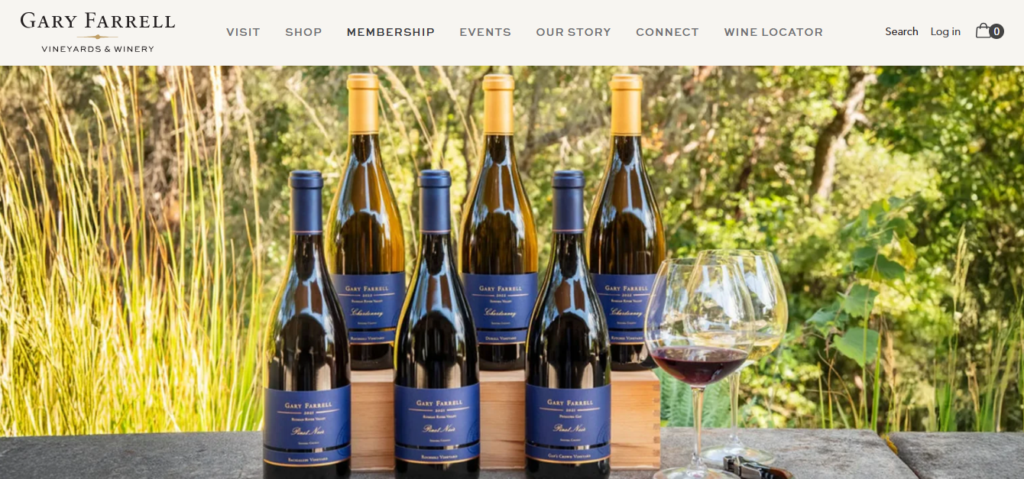
Gary Farrell Vineyards & Winery in Sonoma offers a wine club providing exclusive access to their beloved single-vineyard Pinot Noir and Chardonnay wines from the iconic Russian River Valley and beyond. Club members receive exclusive access to their wines, concierge-level service, discounts on wine purchases, and customizable shipments.
They have three different club tiers — Enthusiast, Connoisseur, and Collector — which deliver four, six, or twelve bottles, respectively, with three shipments per year. Each tier has various discounted savings on purchases, complimentary tastings and other member perks, and exclusive access to different tiers of wines in their portfolio.

Saxum Vineyards in Paso Robles takes the winery-direct model to its logical extreme. Justin Smith makes Grenache, Syrah, and Mourvèdre-based blends from a handful of estate sites, and the wines are available exclusively through a mailing list — no retail, and no restaurant wine lists. The mailing list itself is currently full, meaning new buyers are placed on a waitlist that typically runs four to five years before they receive an invitation to purchase.
If that sounds like the opposite of flexible, it is. But that’s exactly the point. People wait because these are wines you genuinely cannot get any other way, and allocation-model members often feel a sense of insider access that no subscription box can replicate.
Wine Subscriptions
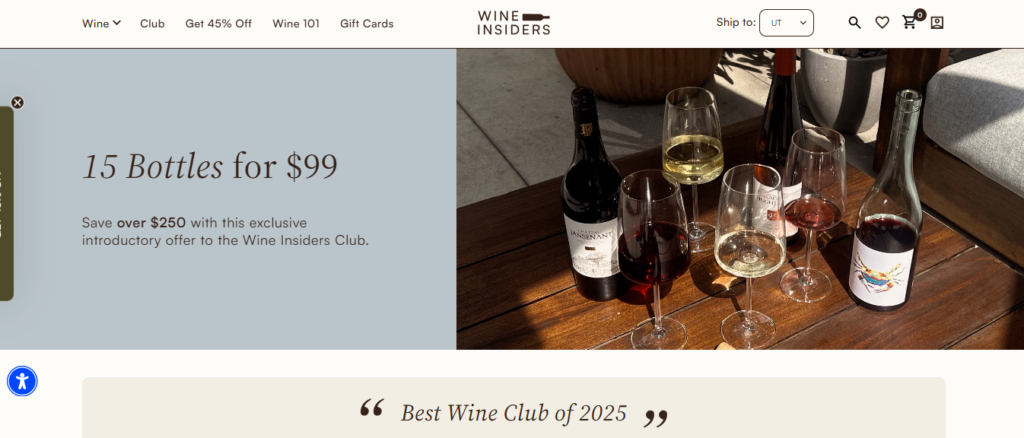
On the subscription box side, services like Wine Insiders operate as a curated retailer model. They source wines from producers around the world, all curated by an expert panel of sommeliers and winemakers, and ship them in case quantities to subscribers.
They specifically offer both a club subscription and an online wine shop where you can buy individual bottles, so you’re not limited only to what arrives in your box. Their quarterly subscription includes twelve bottles, and members can choose from red-only, white-only, and mixed case options. You can cancel or pause your shipment at any time, and they even provide a satisfaction guarantee on every bottle.
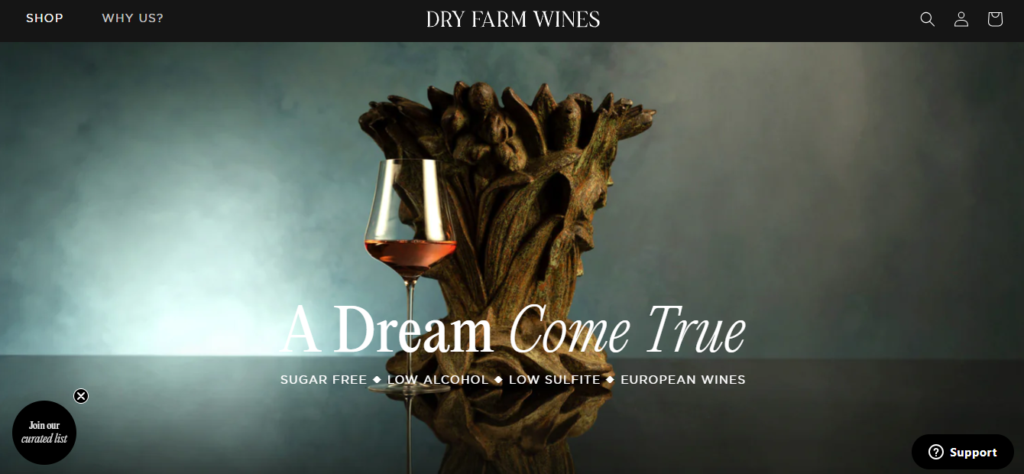
Dry Farm Wines is another example, but instead of sourcing across styles and regions for everyday drinkers, they scout exclusively for wines grown on small European family farms that are dry-farmed, free of additives, and lab-tested to verify they meet strict criteria for sugar content, alcohol level, and sulfites. Every bottle is independently verified before it ships.
The result is a subscription box aimed at a particular kind of buyer: health-conscious drinkers, natural wine enthusiasts, or anyone who wants to know exactly what’s in the bottle. Like Wine Insiders, there’s no long-term commitment, and members can cancel, pause, or adjust their shipment frequency at any time.
How to Decide Which Model Is Best for You
Wine clubs (winery-direct) are a great fit if:
- You visited a winery, fell in love with their wines and winemaking philosophy, and want continued access to new releases.
- You live near the winery (or visit frequently enough) to take advantage of the free or discounted tasting experiences, club pickup parties, and events often included with membership.
- You’re comfortable with a recurring commitment and want to continually explore a specific producer’s wines across vintages.
- You want access to an exclusive producer’s wines that are only available through a wine club allocation.
Subscription boxes make more sense if:
- You want variety across regions, grapes, and styles.
- Your goal is diversified exploration more so than collecting.
- Flexibility matters to you, and you’d like the ability to skip a shipment, adjust quantities, or cancel without penalty.
- You want a curated experience without needing to do the research yourself.
- Price point is a factor, and you want quality, everyday wines rather than rare or exclusive allocations.
Basically, if wine is a passion and you want the depth and perks that come from a membership with a specific producer, go winery-direct.
If wine is something you enjoy regularly and want delivered conveniently without a lot of homework, a well-curated subscription box is probably a better fit. Most buyers who are new to wine delivery aren’t ready for the commitment or specificity of a traditional winery club.
Also, the subscription box model, especially those with strong curation and real flexibility, tends to be a more practical starting point. You can always go deeper once you know what you like or when you find a producer you’d like to continually support.

- Best Espresso Beans Subscription - October 22, 2026
- Monthly vs Biweekly House Cleaning: Which Is Best for Your Home? - October 19, 2026
- A Buyer’s Guide to Baby Formula Subscriptions: What to Consider - October 5, 2026