

- What Makes a Great Small Batch Espresso Roaster?
- Espresso-Specific Roast Development
- Onyx Coffee Lab
- Black & White Coffee Roasters
- Sightglass Coffee
- Tony's Coffee
- Verve Coffee Roasters
- How to Buy Coffee from Small Roasters
- Why Discovery Matters More Than Ever
- The Best Espresso Is the One That Keeps You Curious
If you’ve been making espresso at home for a while, you may have noticed something interesting: the beans that produce incredible filtered coffee don’t make an equally memorable espresso.
Working behind espresso machines for years has taught me that great espresso starts long before dialing in a shot. It starts with a roaster that understands espresso as its own brewing method, not simply another way coffee drinkers might prepare coffee.
Although large specialty roasters continue to produce excellent coffee, many of the most exciting espresso experiences come from smaller roasters that focus on careful sourcing, thoughtful roast development, and producing coffees specifically intended to shine as espresso.
The challenge is finding them and making them accessible to home brewers. Many of these companies don’t have national grocery distribution or large marketing budgets. Instead, they’ve built loyal followings through consistency, transparency, and exceptional coffee.
If you’re ready to move beyond the mainstream options, here are some of the best small-batch espresso roasters that continue to earn respect among home baristas and café professionals and why they’re worth seeking out.
What Makes a Great Small Batch Espresso Roaster?
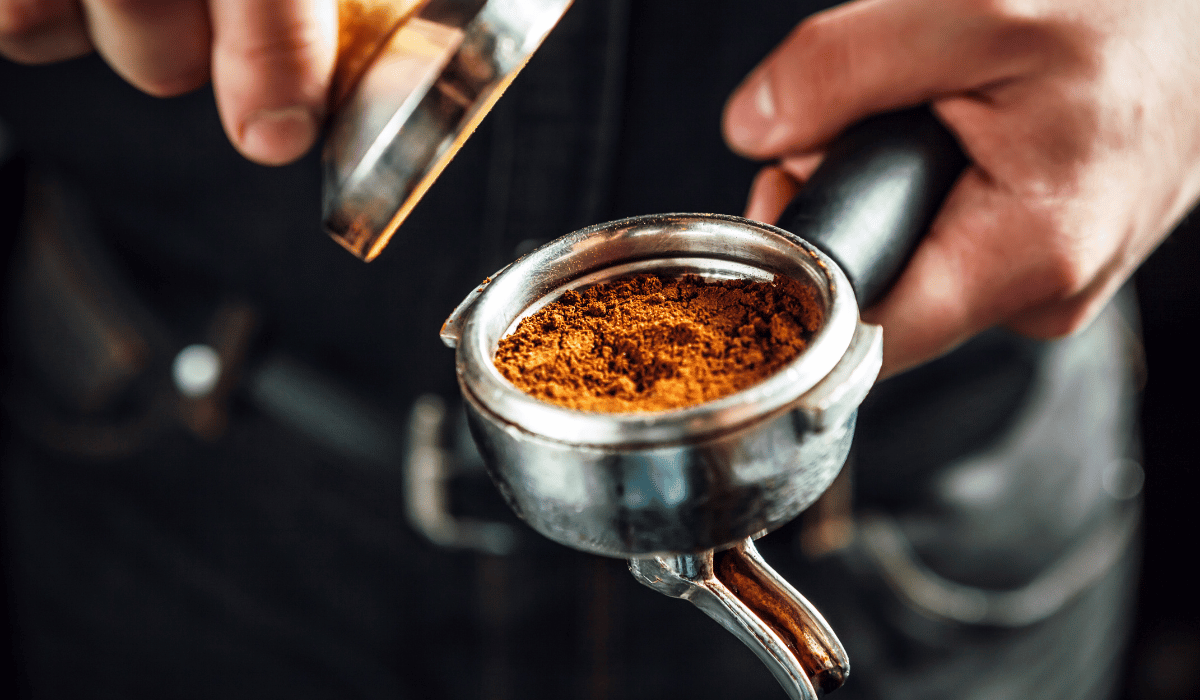
“Small batch” roasting is exactly what it sounds like, which is roasting coffee in small batches at a time. This typically means that there is a roaster standing close by to monitor the beans and the roasting process. It’s a much more hands-on process and requires the roaster to pay attention to the color of the beans, the aroma and adjust timing based on certain origins to make sure each batch is at its highest quality.
That smaller production scale allows roasters to make decisions that become difficult at larger volumes. In most cases when you grab a bag of coffee off of a grocery store shelf it’s been mass produced and the main goal becomes efficiency not flavor. This often results in the coffee tasting the exact same. Then it moves to a warehouse where it can sit for weeks or months before it hits shelves. At this point the coffee has lost its natural oils, loses freshness and becomes stale.
Espresso-Specific Roast Development
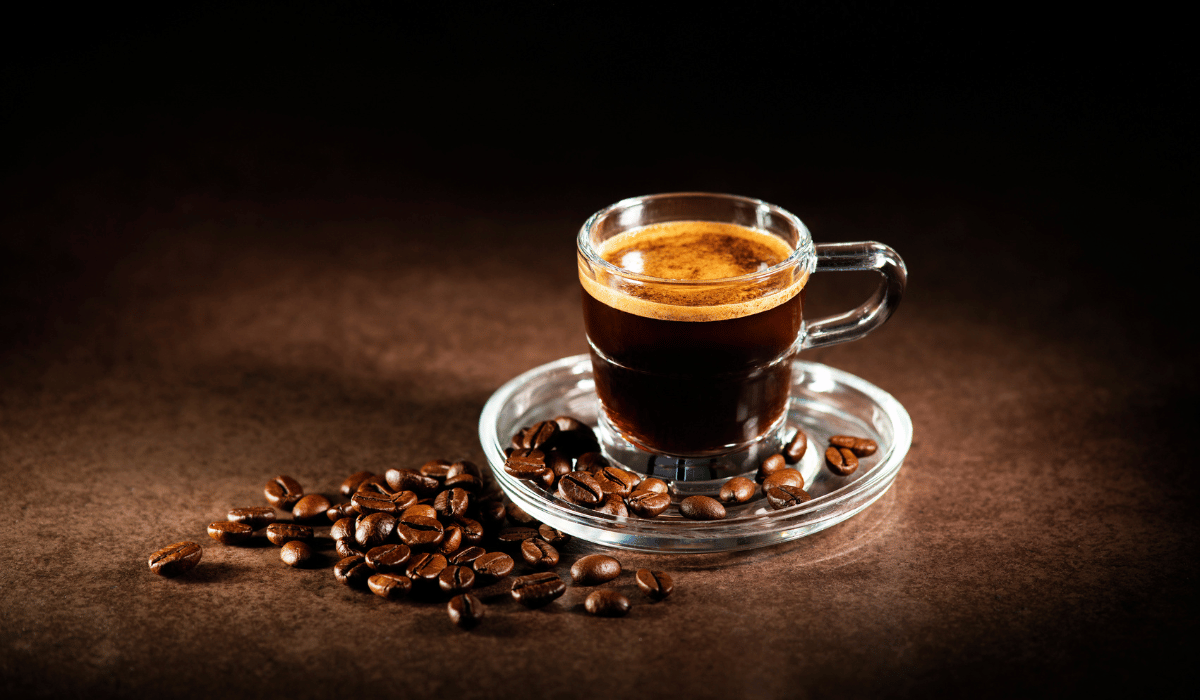
One misconception I hear frequently is that all espresso beans are simply roasted darker. In some cases it can be true, but it’s far from the whole story. What makes an espresso roast so different from other ways beans are roasted ultimately comes down to the process in which espresso is brewed. Like I mentioned earlier, espresso is brewed under a high pressure extraction method of an espresso machine, which greatly affects the flavor.
Developing coffee for espresso means considering how sweetness, acidity, body, and solubility interact under pressure. A roast profile that works beautifully in a pour-over may produce sharp acidity or uneven extraction of espresso.
Espresso roasts typically lean towards the medium to dark level in order to reduce any acidity which makes it a little more forgiving when it’s extracted, but that doesn’t necessarily mean all espresso roasts need to be this way. The best espresso focused roasters are building roast curves that emphasize balance, sweetness, and texture while preserving the character of the coffee.
Consistency from batch-to-batch
When you’re dialing in espresso at home, consistency matters. If every bag behaves differently, you’re constantly chasing grind adjustments instead of improving your technique. Small-batch roasters with strong quality control often produce remarkably consistent espresso, making dialing in far more predictable.
A willingness to experiment
Some of the most exciting espresso today comes from producers and roasters willing to explore new processing methods, unusual varieties, and innovative fermentation techniques. This comes through with small-batch roasters’ ability to source quality beans and have the skill and knowledge to produce different blends based on origins. Smaller companies often have the flexibility to showcase these coffees without needing to produce thousands of pounds of a single blend.
Onyx Coffee Lab
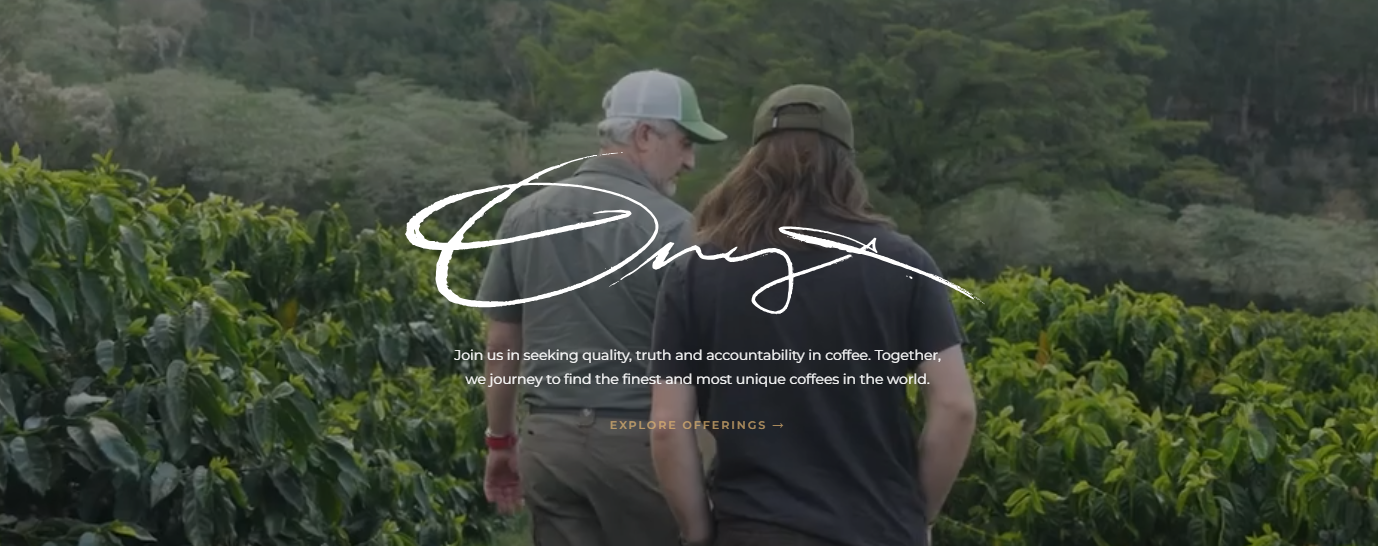
Although Onyx Coffee Lab has grown considerably over the past decade, it still earns its place in conversations about exceptional espresso. The Arkansas-based roaster has built a reputation for obsessive attention to detail, from sourcing to roast profiling to brewing education. One of Onyx’s biggest strengths is that it treats espresso as a craft rather than a product category.
Their blends are intentionally developed with espresso preparation in mind, while many of their single origins also perform exceptionally well when pulled as shots. Onyx also provides detailed brewing recommendations, extraction targets, and educational resources that help home baristas get more from each coffee.
If you enjoy modern espresso with vibrant fruit, layered sweetness, and plenty of clarity, Onyx remains one of the industry’s benchmarks.
Black & White Coffee Roasters
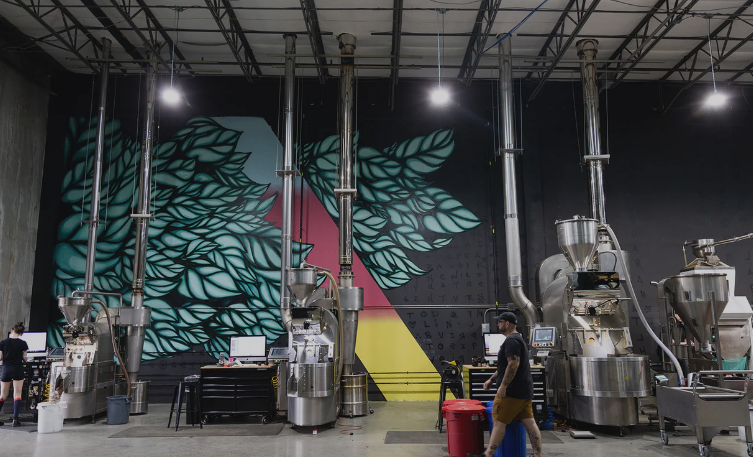
Few companies have influenced modern espresso culture as much as Black & White Coffee Roasters. Founded by U.S. Barista Champions Lem Butler and Kyle Ramage, the North Carolina roaster has become known for coffees that push flavor boundaries without sacrificing balance.
Black & White regularly features experimental processing methods, co-fermented coffees, and unusual varieties that create espresso unlike anything most drinkers have experienced. These aren’t always beginner coffees. Some produce intensely fruity, tropical, or floral shots that challenge traditional expectations of espresso.
For adventurous home baristas looking to experience what modern specialty coffee can become, Black & White consistently delivers some of the most exciting options available.
Sightglass Coffee
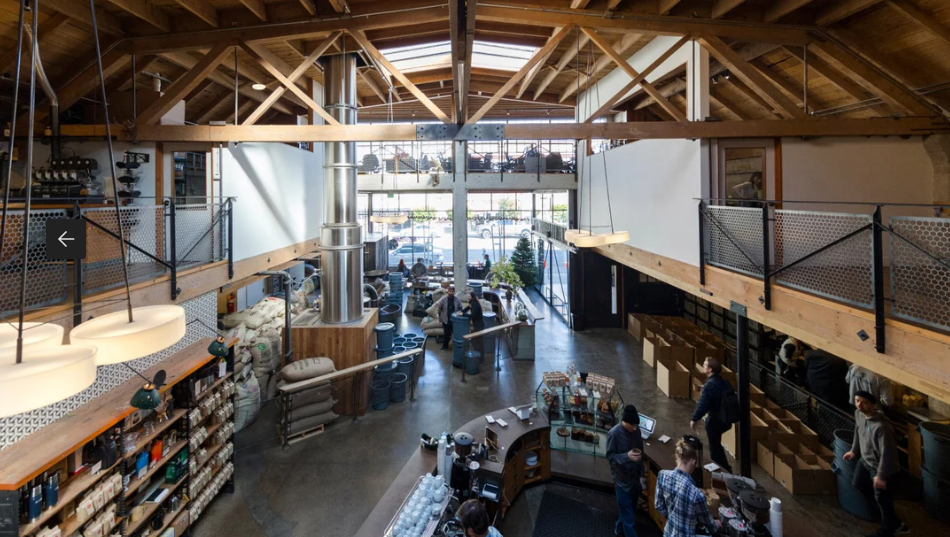
San Francisco’s Sightglass Coffee has earned a loyal following by balancing approachability with precision. Their espresso offerings often lean toward sweetness, chocolate, caramel, and ripe fruit while maintaining excellent clarity. Rather than chasing the most extreme flavor experiences, Sightglass excels at producing elegant, balanced espresso that’s enjoyable day after day. For milk drinks, many of their blends maintain enough sweetness and body to cut through steamed milk without becoming bitter.
That makes them an excellent choice for cappuccino and latte drinkers who still appreciate nuanced coffee.
Tony’s Coffee
Washington-based Tony’s Coffee has quietly built one of the strongest reputations in specialty coffee. Their roasting philosophy emphasizes sweetness, balance, and transparency over trend chasing. Tony’s espresso offerings often appeal to drinkers looking for a refined version of traditional espresso—rich enough for straight shots while remaining approachable for everyday use. The company also deserves recognition for its commitment to sustainability and responsible sourcing, values that increasingly matter to specialty coffee consumers.
If you’re looking for espresso that’s consistently excellent without being intimidating, Tony’s is an easy recommendation.
Verve Coffee Roasters
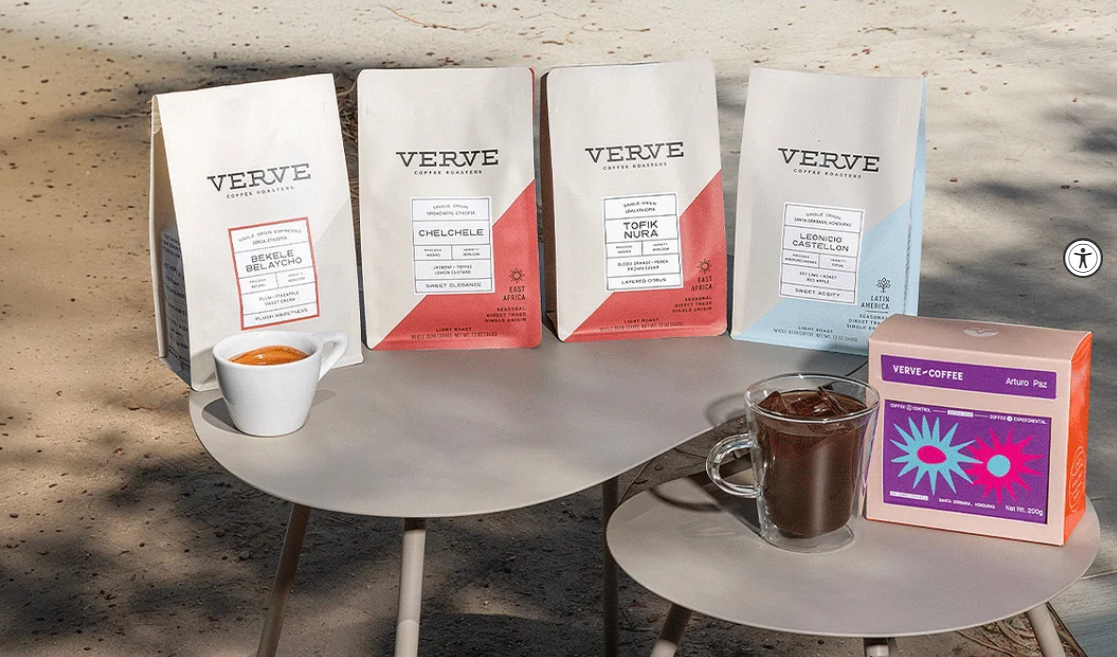
California-based Verve continues to maintain a strong reputation among espresso enthusiasts. Their coffees strike a nice balance between accessibility and complexity. Verve’s espresso lineup often includes dependable blends alongside rotating single origins that reward careful extraction. They’re particularly good at producing coffees that perform well across multiple brewing methods without compromising espresso quality.
That flexibility makes them a great option for households using the same coffee for both espresso and pour-over.
How to Buy Coffee from Small Roasters
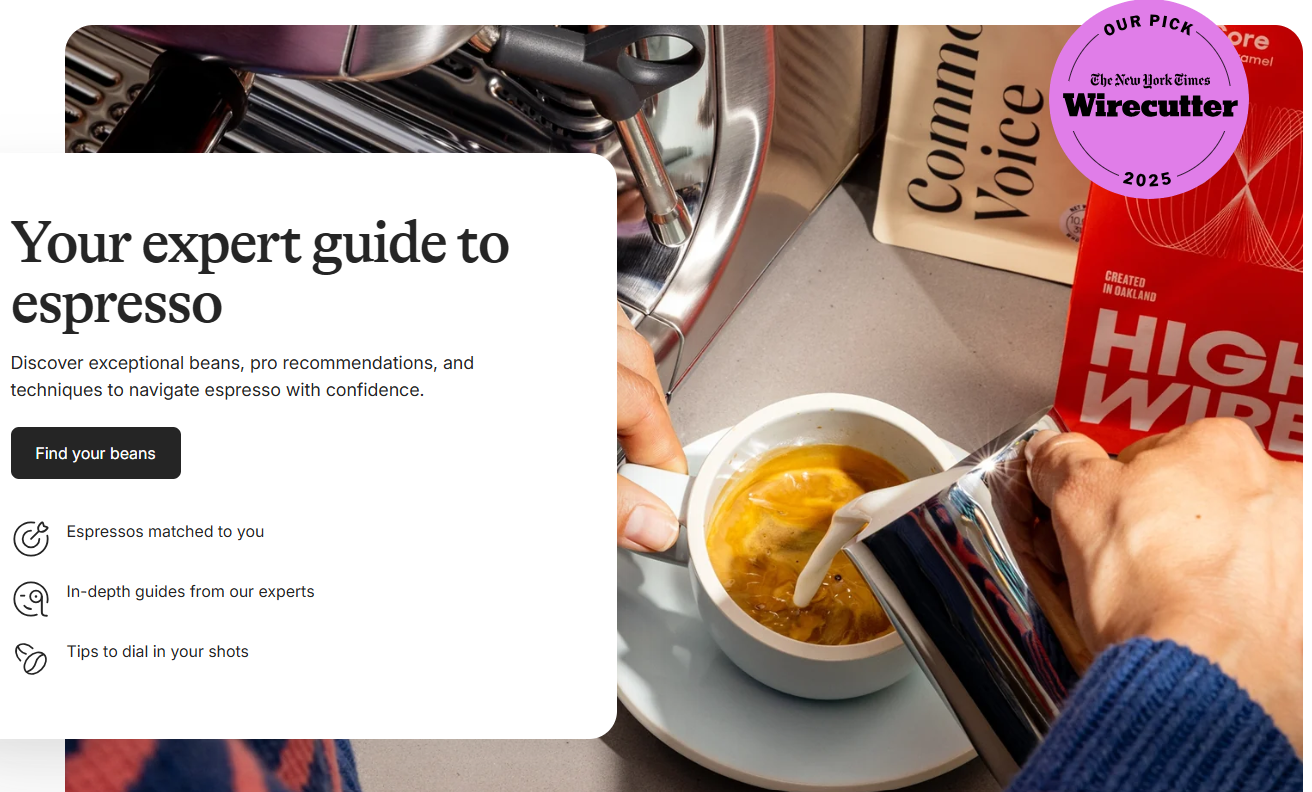
One reality of shopping from smaller companies is that availability can change quickly. When it comes to sourcing, many coffees are seasonal. Others are available only while a particular lot lasts. Typically with small-batch roasters their supplies vary based on sourcing availability. Unlike grocery store brands with year-round inventory, small roasters often rotate coffees as harvests change.
Here are a few strategies that help:
Buy fresh — but not too fresh
Most coffee usually benefits from a short resting period after roasting. While every coffee behaves differently, many espresso roasters recommend allowing beans to rest anywhere from one to three weeks before brewing. The rest allows the freshly roasted beans to degass. This process is important to the roasting process because if coffee is brewed before the degassing period it could cause beans to have a sour taste rather than the smooth taste you’re looking for.
Subscribe when you find a favorite
Many small roasters offer subscription services that ensure regular deliveries while giving customers early access to limited releases. With access to origins and particular roasts constantly changing it helps to have your foot in the door. Popular coffees can disappear quickly, especially from highly sought-after producers. Checking to see if one of these roasters have an option for a subscription service helps keep you stocked up on the latest options.
Why Discovery Matters More Than Ever

The specialty coffee landscape has expanded dramatically over the last decade. That’s exciting, but it also makes choosing coffee increasingly difficult. There are hundreds of excellent roasters now producing outstanding espresso and so many deserve far more attention than they receive. Seeking them out often requires hours of research, recommendations from coffee communities, or simply getting lucky. This is where curated discovery becomes valuable.
Rather than searching through countless websites, home baristas can benefit from platforms that introduce them to respected roasters they might never have encountered otherwise. Trade Coffee plays that role particularly well.
Instead of focusing on a single roasting philosophy, Trade brings together a wide range of respected specialty roasters from established names to smaller companies producing exceptional coffee in limited quantities. That makes it easier to explore different espresso styles, discover new favorites, and experience how different roasting approaches translate into the cup without having to track down each roaster individually.
The Best Espresso Is the One That Keeps You Curious
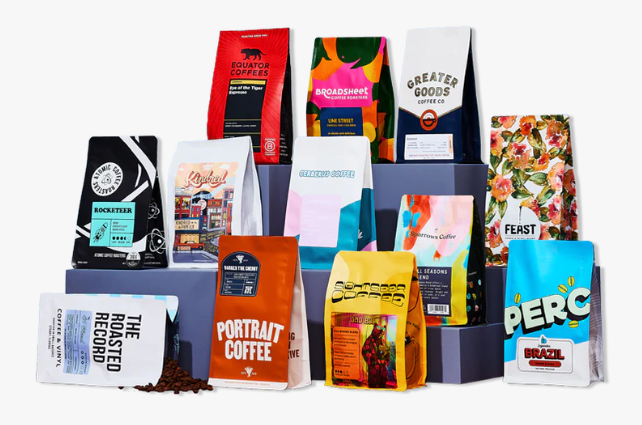
One lesson I’ve learned after years around espresso machines is that there isn’t one perfect espresso roast. Some mornings I want a classic chocolate-forward shot that pairs beautifully with milk. Other days I’m excited by a washed Ethiopian that tastes like citrus and jasmine or a carefully processed Colombian bursting with tropical fruit.
That’s the beauty of today’s small-batch roasting community. These companies aren’t competing to produce identical coffees. They’re expressing different philosophies, highlighting different producers, and giving home baristas more opportunities than ever to explore what espresso can taste like.
Whether you’re pulling your first shot on a new home machine or fine-tuning every variable with a precision grinder and scale, exploring small-batch roasters is one of the most rewarding ways to deepen your appreciation for espresso.
And thanks to curated platforms like Trade, discovering those roasters has become much easier than it once was. Instead of relying solely on word of mouth or internet forums, you can spend less time searching and more time enjoying what’s in your cup.

- 10 Specialty Coffee Roasters Worth Trying in Your Hunt for New Coffee - September 28, 2026
- The Best Coffee Subscriptions for Dark-Roast Espresso Drinkers - September 9, 2026
- Best Small-Batch Espresso Roasters Worth Discovering - August 26, 2026