

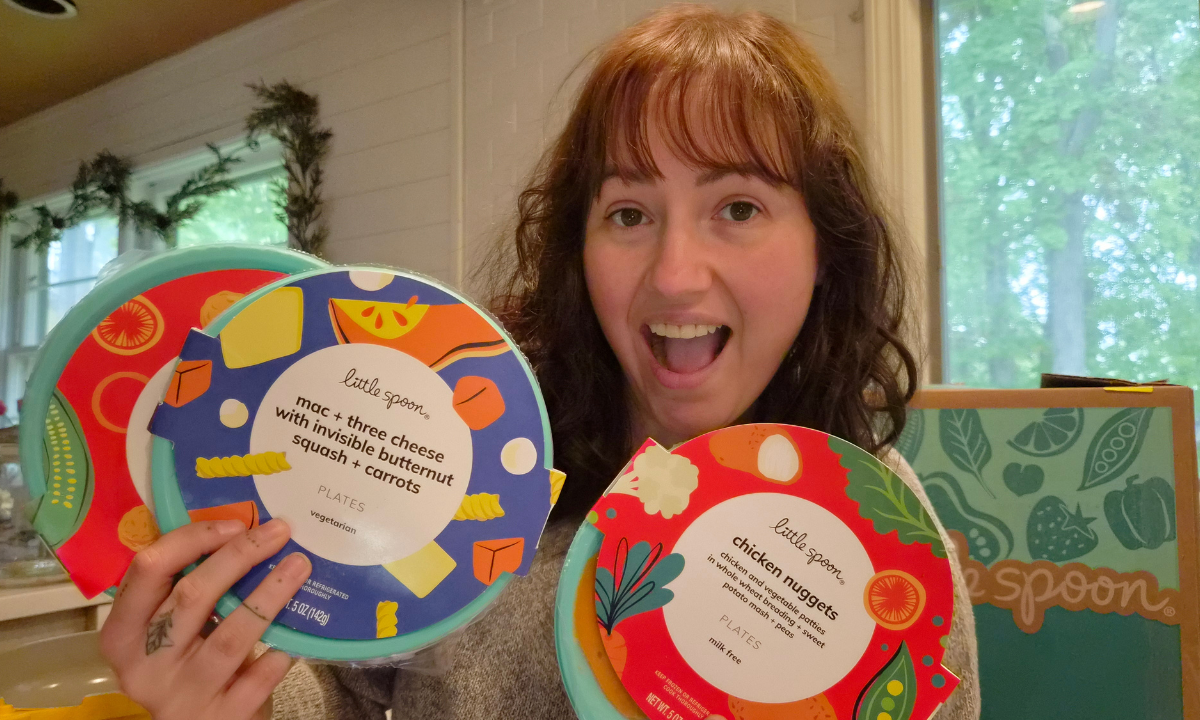
- How the Little Spoon Subscription Works
- How Often Does Little Spoon Deliver?
- Changing Your Plan
- Subscription Grows with Your Child
- Can You Choose Your Own Little Spoon Meals?
- Skipping or Pause
- Canceling Little Spoon
- What Happens When Your Little Spoon Box Arrives?
- How Much Does a Little Spoon Subscription Cost?
- What I Like About the Little Spoon Subscription
- What I Don’t Like
- So Is It Worth It?
I’ve used Little Spoon at several different stages of feeding my daughter, and while I’ve talked plenty about the food itself, there’s another part of the service that I don’t think gets discussed nearly as much: the actual subscription.
Food subscriptions can be incredibly convenient when they work with your life. When they don’t, suddenly you’re staring at a refrigerator full of meals your kid hasn’t eaten yet while another shipment is already on its way.
So for this Little Spoon subscription review, I’m focusing on what it’s actually like to manage the service. How often do boxes arrive? Can you change your plan as your child gets older? How easy is it to skip an order? And, most importantly, how much control do you actually have once you’ve subscribed?
How the Little Spoon Subscription Works
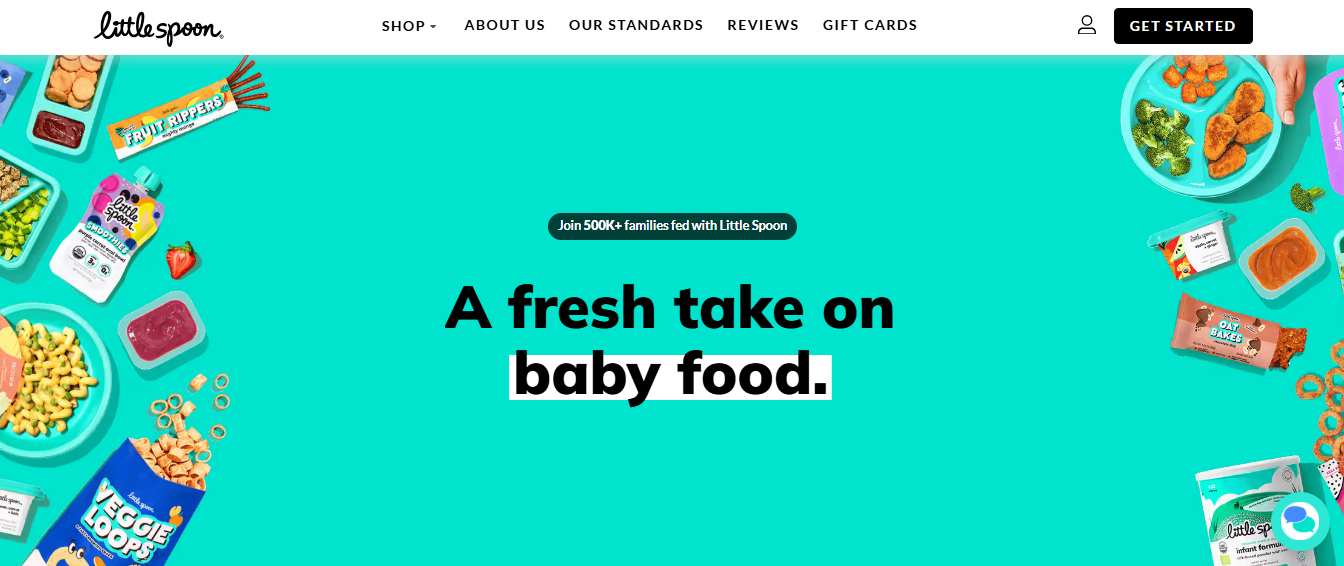
Little Spoon operates on a recurring delivery model rather than requiring you to place an entirely new order every time you need food. When you initially sign up, you choose the product category and plan that makes sense for your family and then select what you’d like in your box. Subsequent subscription orders ship every two weeks by default, although you can adjust your delivery schedule from your account.
Before an upcoming order, Little Spoon sends an email reminder so you have an opportunity to log in and make changes. You can choose the specific meals or snacks you want or set a menu to repeat for future orders if your child has reliable favorites.
If you don’t update your menu before the cutoff, however, Little Spoon says it will fill your box with a mix of popular options. So, this isn’t a subscription I’d completely forget about unless you’re comfortable with the company selecting your upcoming assortment. I’d treat the reminder email as my cue to check the next delivery.
How Often Does Little Spoon Deliver?
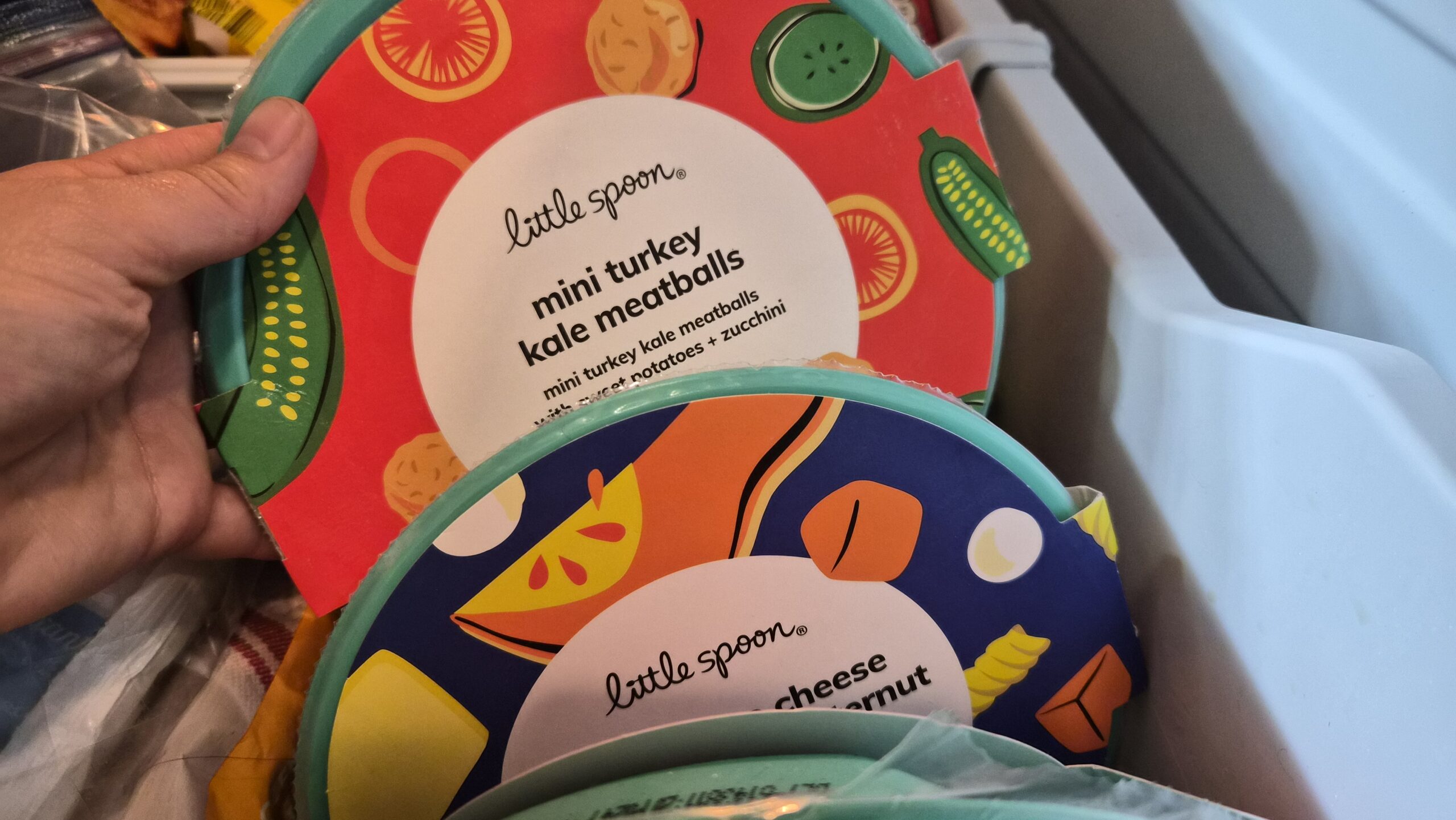
As I mentioned before, Little Spoon currently ships recurring orders every two weeks. For new subscriptions, orders placed by Saturday at 5 p.m. ET are scheduled to ship the following week. Orders placed after that cutoff move to the week after next. After that first shipment, you settle into the recurring schedule.
What I like here is that you’re not necessarily locked into receiving food every two weeks forever. You can adjust your delivery cadence through the “Delivery Schedule” section of your account. Being able to move or skip a delivery makes a recurring meal service significantly more practical than one that assumes you’ll consume exactly the same amount every week.
Changing Your Plan
When I log in to my account, I can click on “Change Product” and switch up the type of food associated with my plan. I also have a separate “Change Box Size” button. My account offers boxes of eight, 12, 18, or 24 meals. There aren’t layers of hidden menus or some mysterious customer service request involved. The options are easily accessible in your account.
Little Spoon also allows customers to add products from other categories. You can do this through either the “Delivery Schedule” or “My Products + Orders” section. When you’re changing items in your order, you can go through the other sections and add more items, but it will increase your total cost for that delivery. However, there is one detail worth understanding: Adding another product category can create an additional recurring plan.
What that means is that if you already receive one Little Spoon product and decide you also want another category regularly, pay attention to what you’re adding rather than assuming you’re simply tossing something into your existing box. Each recurring product plan can then be managed individually.
Subscription Grows with Your Child
This might be my favorite thing about Little Spoon’s subscription model. Baby feeding stages move ridiculously fast. One minute you’re nervously offering a tiny spoonful of purée and watching your baby’s face like you’re conducting a clinical trial. A few months later, they’re grabbing food off your plate. Then suddenly they’re a toddler demanding the exact snack you forgot to bring.
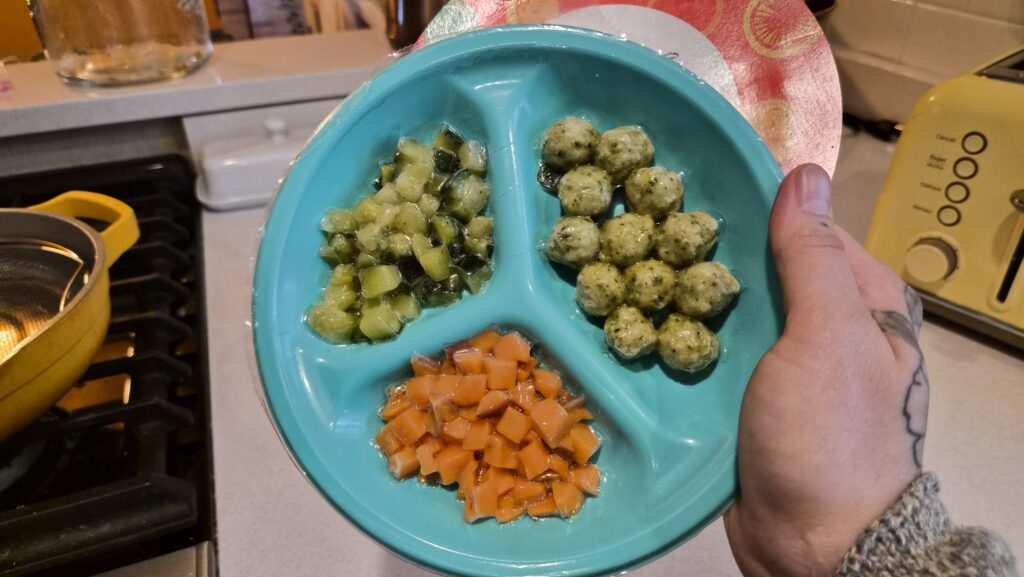
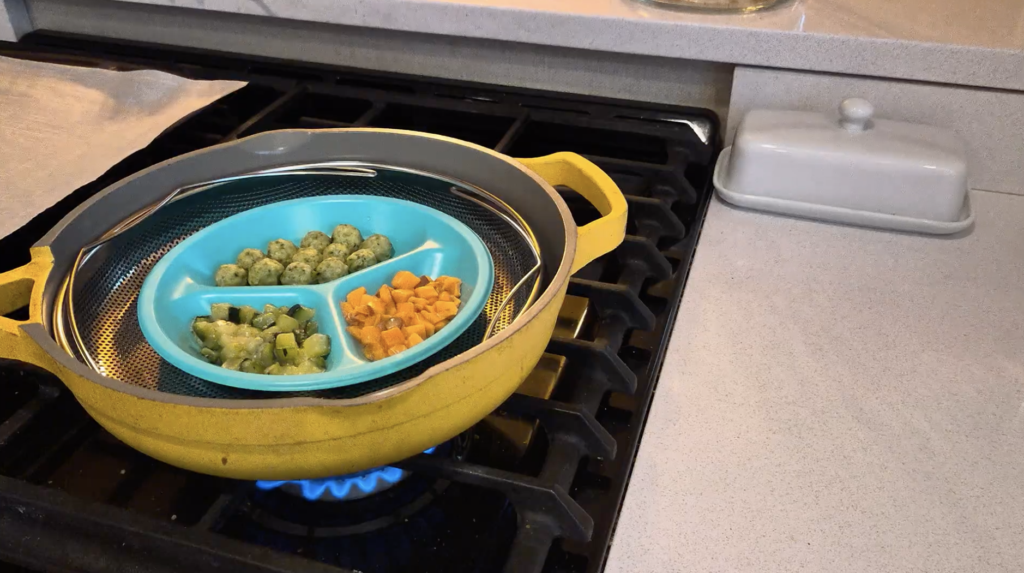
Little Spoon’s product lineup now covers a pretty large portion of that progression. Babyblends start at around six months and come in stages that gradually introduce more ingredients and increasingly complex textures. Once babies are developmentally ready for finger foods, Biteables are designed for ages nine months and older. After that, Little Spoon offers Plates for toddlers and bigger kids, Lunchers for grab-and-go lunches, and Smoothies and YoGos that can work as snacks. That means you don’t necessarily have to cancel one subscription service and research an entirely new company every time your child’s feeding changes.
Being able to adjust what you’re ordering makes more sense for that transition than treating feeding stages like rigid categories.
Can You Choose Your Own Little Spoon Meals?
Yes, and this is another area where Little Spoon gives you quite a bit of control. You can select your menu after signing up, and before subsequent orders, you can log in to your account and choose what you’d like to receive.
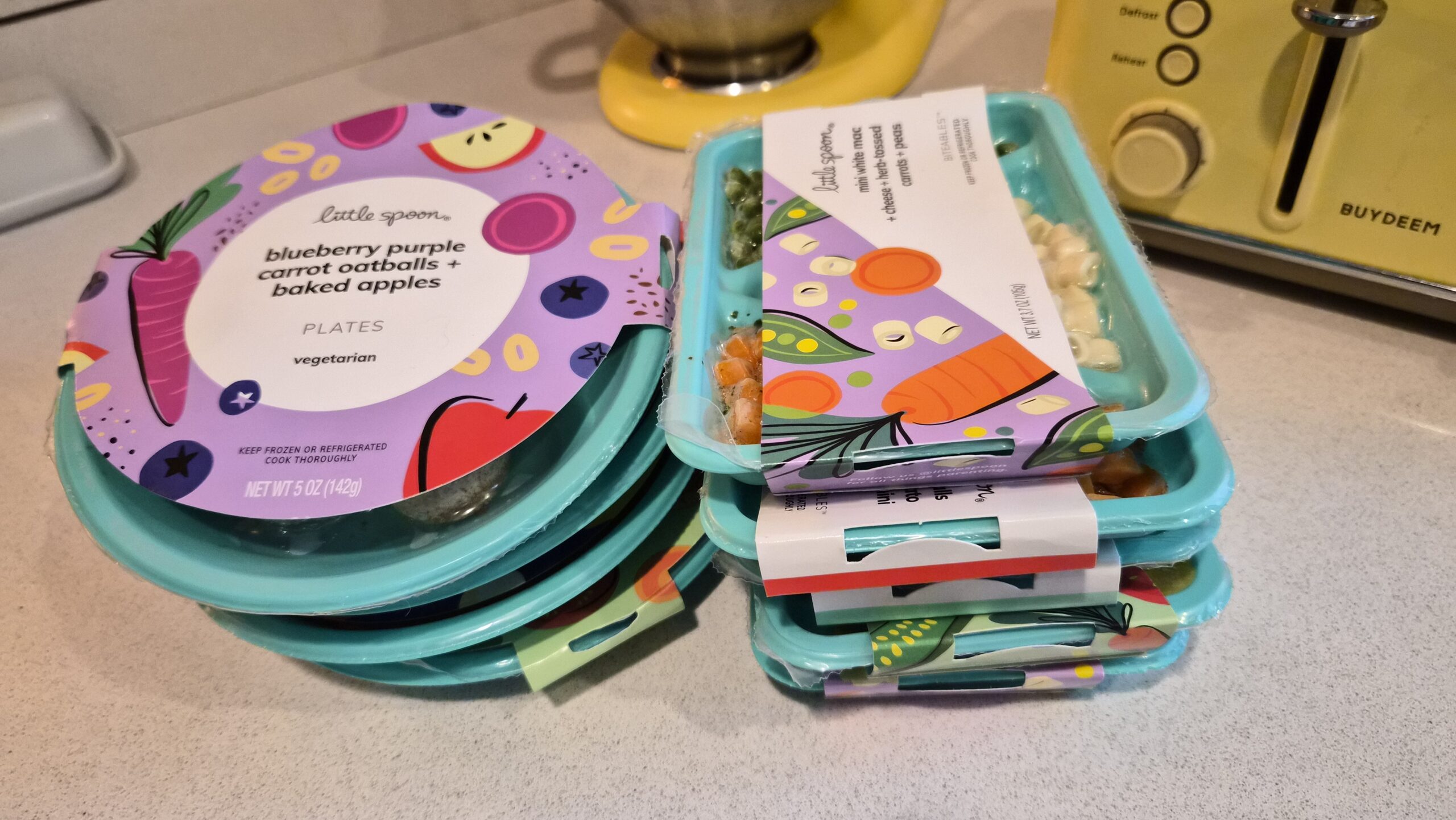
You can also set up a menu to repeat if you’ve reached the glorious stage where your child has several dependable favorites. I definitely appreciate that option as the parent of a toddler. There are meals my daughter genuinely loved, and there were others she simply wasn’t interested in. I would much rather use what I learn from one delivery to customize the next one than continue receiving foods I already know she probably won’t eat.
If you don’t customize the upcoming order, Little Spoon can choose a balanced assortment of popular products for you.
Skipping or Pause
Little Spoon currently allows subscribers to skip or pause upcoming deliveries from their account. This is one of those features I consider basically mandatory for a children’s food subscription. Even if you normally go through an entire box, eventually you’re going to have a week where you don’t. Maybe you’re going on vacation. Maybe grandma fed your kid for three days. Maybe your toddler has suddenly decided food is merely a social construct.
Little Spoon sends an email the Thursday before an order ships, and customers have until that aforementioned Saturday cutoff to make applicable changes to the following week’s delivery. That’s an email I wouldn’t ignore or put off. Once an order has passed the cutoff and is already pending, Little Spoon’s current help documentation says it can’t be paused or canceled.
So yes, the subscription is flexible, but it’s not retroactively flexible. You still need to manage upcoming orders before they’re processed.
Canceling Little Spoon
Little Spoon’s current cancellation process is account-based, and you can cancel autonomously. According to the company’s help center, you go to “My Products + Orders,” select “Edit” next to the product, and choose the cancellation option. There’s just one important wrinkle to note if you’ve subscribed to multiple categories: Each recurring product needs to be canceled individually.
That’s something I would double check before assuming you’ve canceled your entire Little Spoon account. And, as with skipping and pausing, an order that’s already past the applicable processing cutoff may still ship.
What Happens When Your Little Spoon Box Arrives?
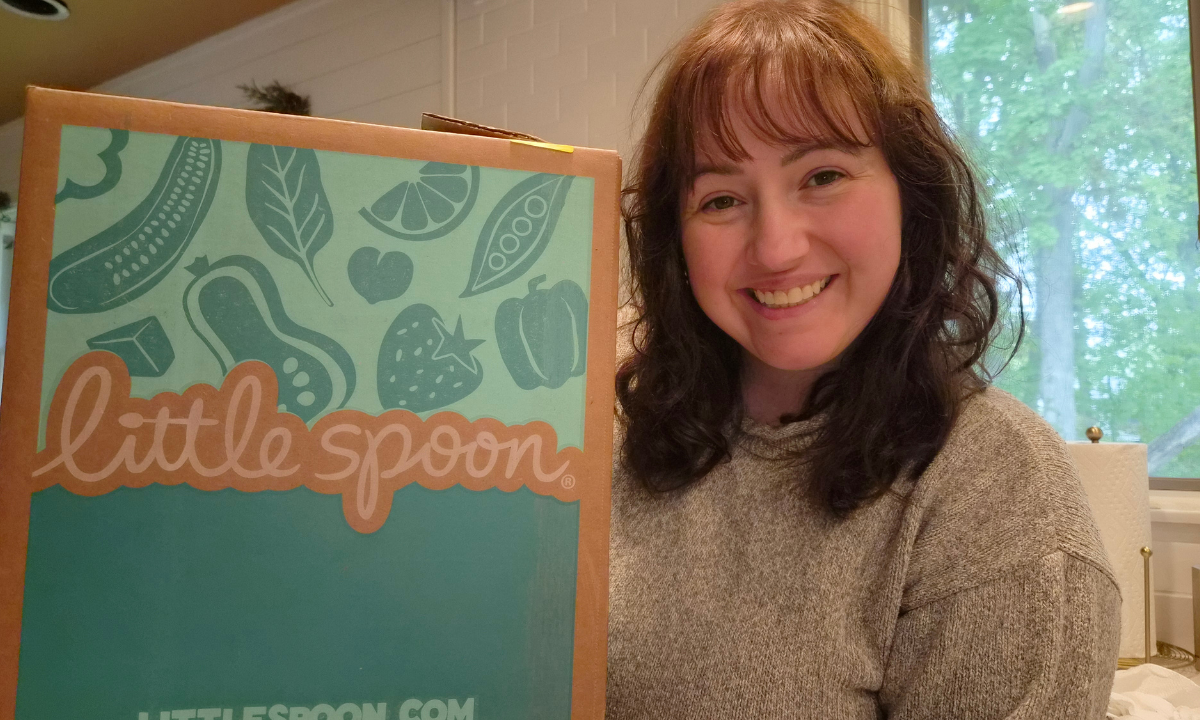
The delivery logistics vary depending on what you’re ordering because Little Spoon now sells refrigerated, frozen-friendly, and shelf-stable products. Fresh orders are packed in insulated boxes with coolant so they’re kept chilled during transit. Once the box arrives, you’ll want to unpack it rather than letting it become a permanent fixture on the porch.
Storage currently breaks down roughly like this:
| Little Spoon Product | Storage |
| Babyblends, Smoothies, YoGos | Refrigerate up to 14 days or freeze up to two months |
| Biteables + Plates | Refrigerate up to seven days or freeze up to two months |
| Lunchers | Refrigerate up to seven days; freezing isn’t recommended |
| Snacks, Puffs + Baby Cereal | Pantry-/shelf-stable |
| Unopened Formula | Cool, dry storage |
Once a fresh meal is opened, Little Spoon recommends refrigerating it and serving it within 48 hours. This is something I’d seriously consider when choosing your box size.
Yes, ordering more meals can bring the per-meal cost down, but the best deal isn’t actually a good deal if your refrigerator becomes a Little Spoon warehouse and your kid doesn’t get through everything. The freezer definitely makes larger meal boxes more manageable. Plates and Biteables can currently be frozen for up to two months, so I wouldn’t hesitate to freeze meals I knew we weren’t going to reach for that week.
Lunchers are different. They’re designed to stay refrigerated, and Little Spoon doesn’t recommend freezing them, so I’d be more conservative about how many of those I ordered at once.
How Much Does a Little Spoon Subscription Cost?
This is where Little Spoon becomes harder to summarize with one neat number because the company has several product lines, and pricing varies by what you’re ordering and, in some cases, how much you buy.
As of my latest check, Little Spoon advertises:
| Product | Current Starting Price |
| Babyblends | From $3.92 per blend |
| Biteables | From $6.49 per meal |
| Plates | From $6.49 per meal |
| Lunchers | From $7.92 per meal |
| Smoothies + YoGos | From $2.82 per pouch |
Now, those are starting prices and not necessarily what every box will cost. For example, Little Spoon currently lists a 14-Babyblend plan at $4.28 per blend and a larger 28-Babyblend plan at $3.92 per blend, both delivered every two weeks. In other words, your per-item cost can depend on the size of your plan.
What I Like About the Little Spoon Subscription
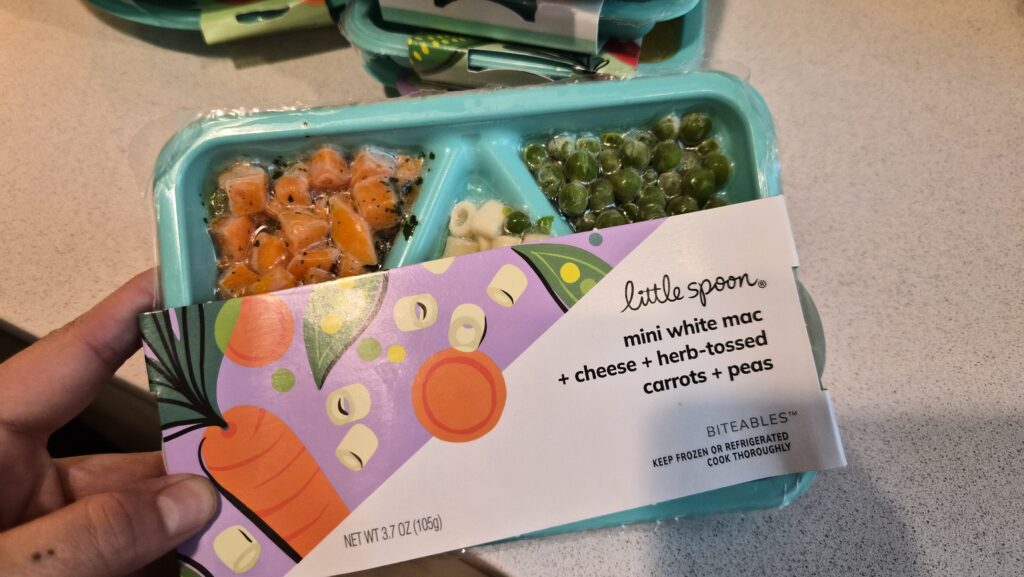
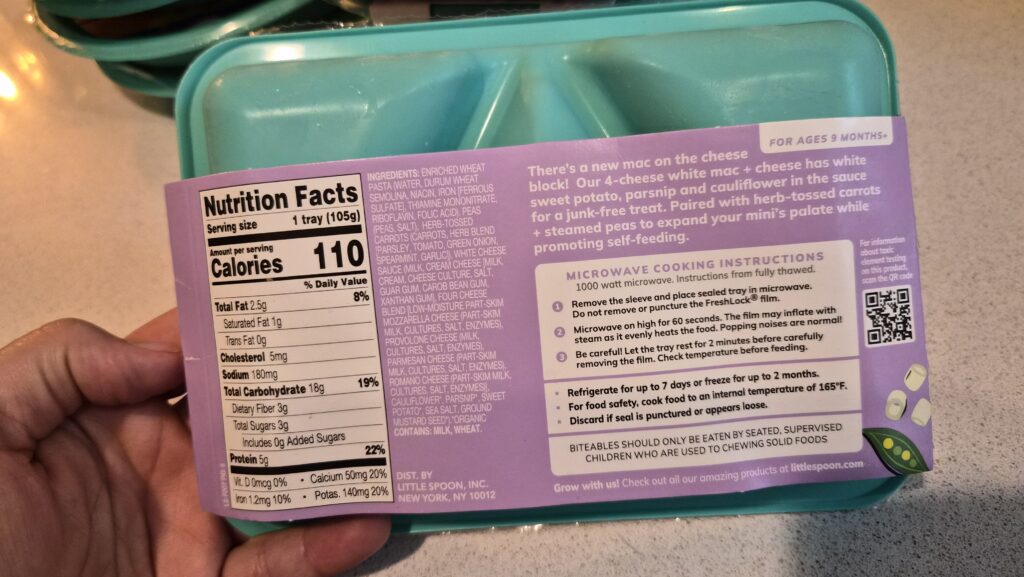
The biggest positive for me is flexibility. I can choose the food rather than simply accepting a mystery assortment. I can change the size of my meal box. I can switch among product categories as my child grows. And Little Spoon currently provides options for adjusting delivery timing, skipping, pausing, and canceling. I also appreciate the breadth of the product lineup much more now that my daughter is older.
The fact that one account can potentially take you from formula and first foods all the way to school lunches gives the subscription more longevity than it had when I first started using it. And because several of the fresh products can be frozen, I don’t feel like every delivery starts a seven-day countdown to Food Waste Panic Day.
What I Don’t Like
The recurring nature of the subscription can still be a downside if you’re not paying attention. If you forget about an upcoming shipment until after the cutoff, you may be getting that box whether you currently need it or not. That’s pretty standard subscription behavior, but it’s especially annoying with perishable food.
The multiple-plan structure is also something I think Little Spoon could make clearer. If you add another product category, you may be creating another recurring plan rather than simply adding miscellaneous products to one universal subscription.
And then there’s the price. Little Spoon is unquestionably more expensive than preparing comparable food yourself. Families who primarily want the lowest possible cost per serving probably aren’t going to get the most value from it.
So Is It Worth It?
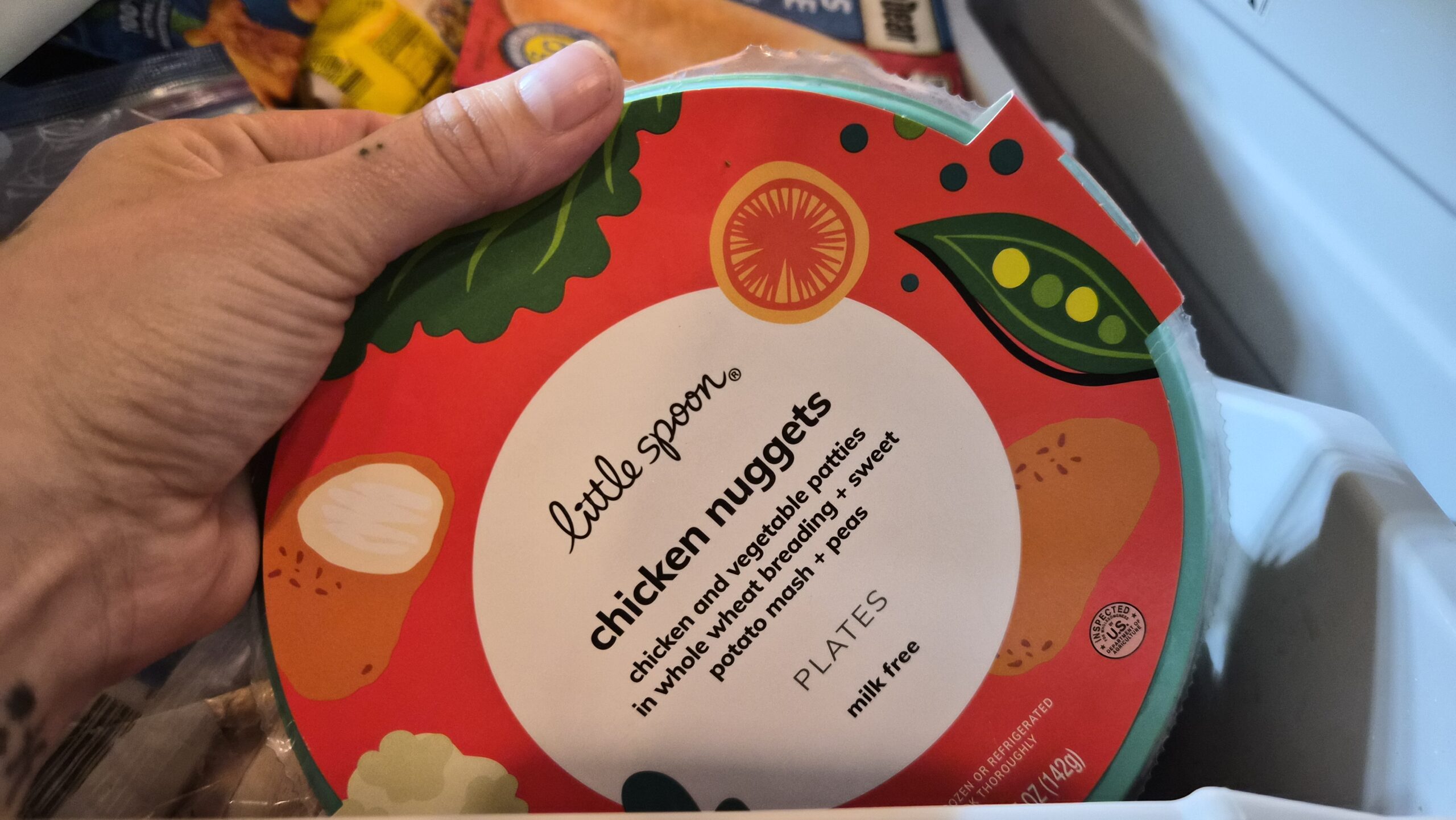
After using Little Spoon with my own daughter, I think the subscription itself is actually one of the stronger parts of the service. The food was obviously what initially interested me, but the flexibility is what makes it practical long-term.
Kids change too quickly for me to want a rigid food subscription. What they’re eating at six months looks completely different from what they’re eating once toddlerhood arrives. Little Spoon seems to understand that.
The subscription doesn’t eliminate the work of feeding a child. Unfortunately, I have yet to find anything capable of performing that particular miracle. It does, however, give me a convenient backup plan, and the ability to change that plan as my daughter grows is what makes the subscription much more useful than simply having a recurring box of children’s food show up at my door.

- Little Spoon Subscription Review: Is It Actually Worth It? - September 8, 2026
- Best Online Organic Baby Formulas - January 22, 2026