

- What Does “Dark Roast” Really Mean?
- What Makes a Good Dark-Roast Espresso Subscription?
- Trade Coffee: The Best Fit for the “I Know What I Like And I Want More” Drinker (aka Personalized Discovery)
- Blue Bottle: Better for a Specific Roaster Experience
- Driftaway: Strong for Coffee Education and Beginners
- Atlas Coffee Club: Fun, But Different Priorities
- So Which Subscription Would I Choose?
I know I’m probably not the target audience for every coffee subscription service. I’ve spent more than a decade working in coffee, from behind the espresso bar to roasting, and at this point I know what I like when drinking espresso. I’m not looking for a subscription to convince me that I should love a bright, tea-like Ethiopian light roast. I like espresso with some weight to it.
When I wake up in the morning and want an iced americano I’m looking for something bold with notes of chocolate, caramel, toasted nuts and some bittersweetness. Something that can also stand up to milk without disappearing. Something that tastes like coffee when I pull it as espresso. There is a place for the fruit-forward light roasts and for me that’s not in a shot.
If you already know you prefer darker-roasted espresso, choosing a subscription is a little different from choosing one based on “what coffee should I try next?” You don’t necessarily need the most adventurous subscription. You need one that can consistently put the right kind of coffee on your doorstep while still giving you enough variety to keep things interesting.
That distinction is important because not all coffee subscriptions are particularly good at serving a dark-roast espresso drinker.
Here’s what I would actually look for:
What Does “Dark Roast” Really Mean?
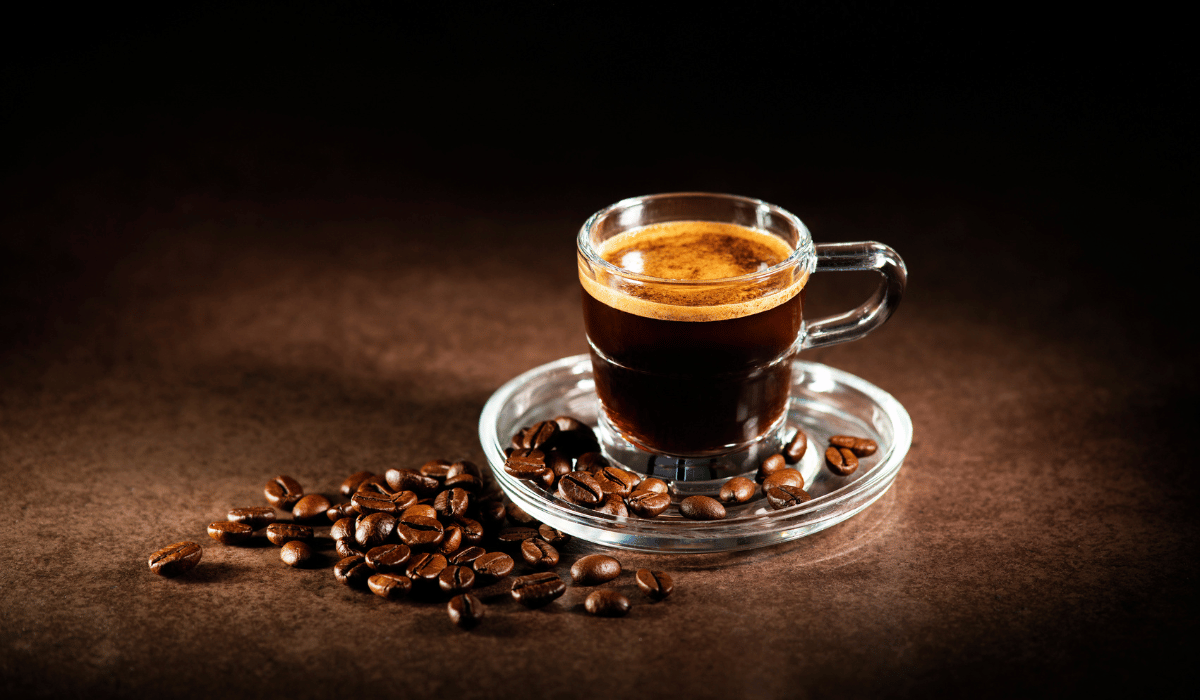
Before comparing subscriptions, it helps to get one thing out of the way: roast level isn’t standardized across the coffee industry. One roaster’s medium-dark can be another roaster’s dark. Some companies use names like French roast, Italian roast, espresso roast, or “bold” without those terms necessarily meaning the same thing.
Also, when a roaster has an “espresso blend” that doesn’t automatically mean it’s a dark roast. An espresso blend might be roasted medium, medium-dark, or even light. “Espresso” is more about how the coffee is intended to be brewed rather than a strictly defined roast level.
For me, though, when someone tells me they want a darker roast, I know what they’re probably asking for. They want body and sweetness over acidity. They probably enjoy flavors like chocolate, caramel, toasted nuts, brown sugar, and sometimes a pleasant roasty bitterness. They want a coffee that tastes substantial and most of the time they want a coffee that tastes familiar to them rather than a new wave, experimental take on espresso.
That’s a perfectly legitimate preference.
What Makes a Good Dark-Roast Espresso Subscription?
The biggest mistake I see with coffee subscriptions is treating variety as automatically better.
Variety is great when you’re interested in exploring everything but if I know I want dark-roasted espresso, sending me a wildly different light-roasted single origin every month isn’t personalization. It’s ignoring the assignment.
For a dark-roast espresso subscription, I’d look at five things:
Does the company actually offer espresso-friendly dark roasts?
This sounds obvious, but it matters.
A subscription can have hundreds of coffees available and still be a poor choice for someone specifically looking for darker espresso.
I want to see actual options from roasters that produce traditional espresso blends and developed medium-dark or dark coffees.
Can I control the roast preference?
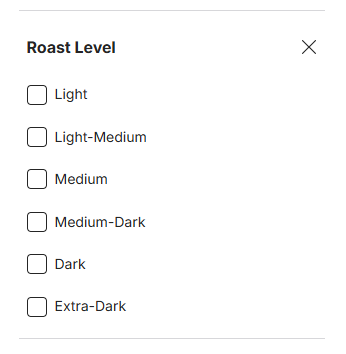
This is probably the biggest factor.
A good subscription should let me communicate something more specific than “I like coffee” and “I use an espresso machine”.
If I select dark roast, I don’t want the system to immediately start sending me coffees that happen to have one dark roast tasting note.
I want the subscription to understand that roast level is part of my preference, not a suggestion.
Is there enough variety within that preference?
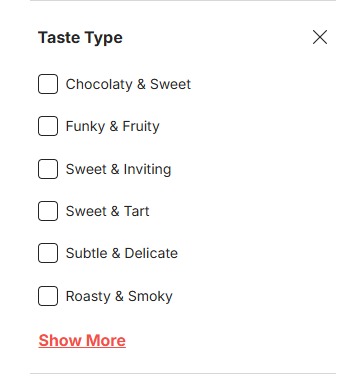
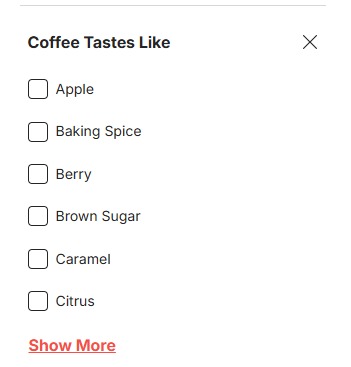
This is where a good subscription can be really useful.
Dark roast doesn’t have to mean the same blend every month.
You can have a chocolate-heavy Colombian blend one month, a smoky Sumatra-based espresso the next, and a rich Central American blend after that.
The roast profile stays in the range that I like while the coffees themselves change.
That’s the kind of discovery I’m interested in.
Does the subscription give me useful information about the coffee?
I’m a coffee person, so I want to know what I’m buying.
Origin, processing method, roast level, tasting notes, roaster, and ideally some brewing information all matter, but I don’t necessarily need a dissertation every time a bag arrives.
Give me enough information to understand why this coffee was selected and how I might brew it.
Can I control the logistics?
This is the boring part of coffee subscriptions and also the part that can make you cancel one.
I want control over:
- How often coffee ships
- How much coffee I receive
- When it ships
- Whether I can skip
- Whether I can change coffees
- How easy it is to cancel
Fresh coffee is great. Five pounds of coffee arriving when I wasn’t expecting it is not ideal.
Trade Coffee: The Best Fit for the “I Know What I Like And I Want More” Drinker (aka Personalized Discovery)
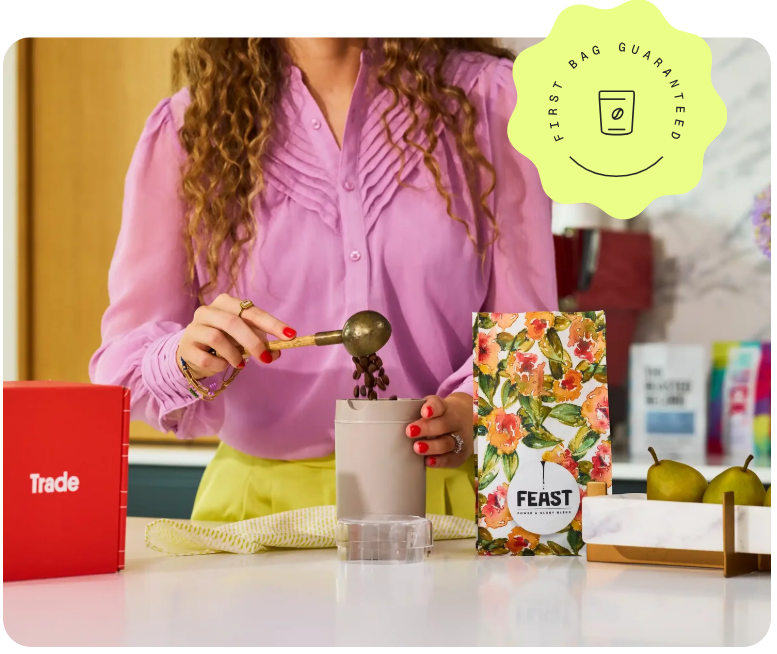
If your question is, “I know I like dark espresso. Where can I explore within that category?” Trade earns its spot near the top.
Trade’s biggest advantage is that it is not a general roaster. It works with a broad network of U.S. roasters and matches coffees to you based on your preferences. That’s important when there is something particular you are looking for.
Trade’s subscription experience is built around a coffee quiz with personalized recommendations, and customers can provide preferences around things such as roast level and brewing method. You can also browse coffees rather than blindly accepting whatever gets sent. That’s a meaningful advantage.
The thing I didn’t expect: the matching actually improves. Most subscription quizzes are a one-time intake form. With Trade, every coffee you rate feeds the next recommendation, so by my third month the picks understood my espresso taste even better than the first. You can also browse and choose additional coffees yourself instead of only receiving what’s sent, which I appreciated.
The distinction I’d make is that Trade is more of a discovery and personalization layer than a single-roaster coffee subscription and for someone like me, that’s valuable. Instead of committing to one company’s style, I can use the subscription to discover what different roasters are doing with darker espresso.
One month might introduce me to a classic Italian-style blend. Another might be a darker-roasted single origin. Another could be a more modern espresso blend that still has the body and sweetness I’m looking for.
Trade is especially compelling if you want variety without completely giving up control.
One slight downside you may run into is with so many roasters and coffees involved, the experience can feel less focused than a subscription built around one specific roasting philosophy. There is still a chance that you will have a coffee sent to you that doesn’t meet your expectations, but that is part of the journey.
Blue Bottle: Better for a Specific Roaster Experience
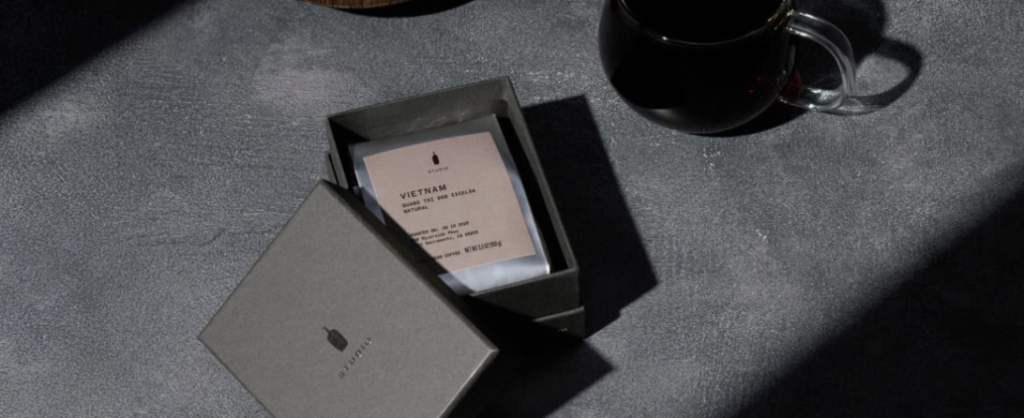
Blue Bottle takes almost the opposite approach. Instead of giving you access to a huge network of independent roasters, you’re buying into Blue Bottle’s own coffee program. That’s appealing if you already like Blue Bottle’s style.
Their subscriptions offer different ways to receive coffee, and they have espresso-focused options. Their lineup changes, so there’s still discovery involved, but you’re ultimately exploring one company’s approach to coffee.
For a dark-roast drinker, I’d put Blue Bottle behind Trade unless you already know you like their roasting style. That’s not a criticism, it’s just a different value proposition.
If I want “send me good coffee from one roaster,” Blue Bottle makes sense.
If I want “help me explore dark espresso from lots of roasters,” Trade has the advantage.
Driftaway: Strong for Coffee Education and Beginners
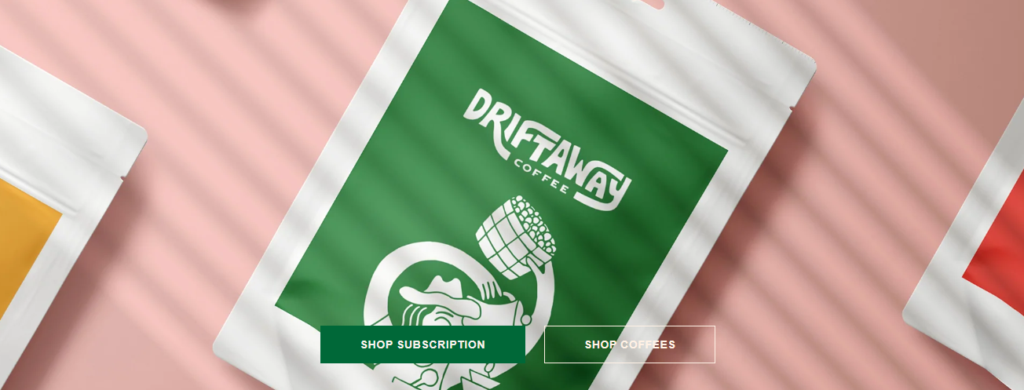
I’ve spent some time looking at Driftaway because it occupies an interesting spot in the subscription market. Driftaway puts a lot of emphasis on helping people understand their palate. Its tasting experience and educational approach are genuinely useful for someone who is still figuring out what they like. I actually think that’s one of its strengths.
If you’re the person saying, “I don’t know whether I like fruity coffee or chocolatey coffee,” that kind of guided instruction can be great, but that’s not necessarily what a committed dark-roast espresso drinker needs.
If you’ve already spent years ordering the same kind of espresso and you know exactly what you want, you may not need a subscription to teach you that you prefer chocolate and caramel over floral and citrus notes.
For that customer, I’d rather have a subscription that lets me stay inside my preference while exploring different versions of it.
Atlas Coffee Club: Fun, But Different Priorities
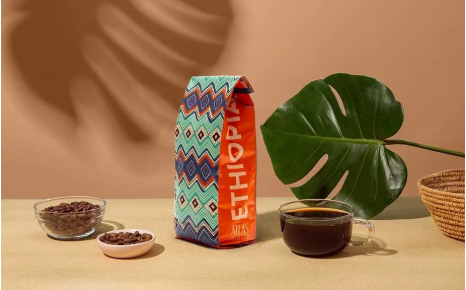
Atlas Coffee Club takes another approach, with a strong emphasis on exploring coffees from different countries. That geographic component is fun.
If your goal is essentially, “Send me coffee from around the world,” Atlas makes sense. Their strength is single origin beans, which can be a little harder to find with other subscription services, but again, I’d separate that from the needs of someone whose first priority is dark-roasted espresso.
Origin is important, but it isn’t the only thing determining whether I’ll like an espresso.
Roast level, processing, development, and how the coffee behaves during extraction all matter. I’d choose Atlas because I wanted geographic exploration not specifically because I wanted a dark-roast espresso program.
So Which Subscription Would I Choose?
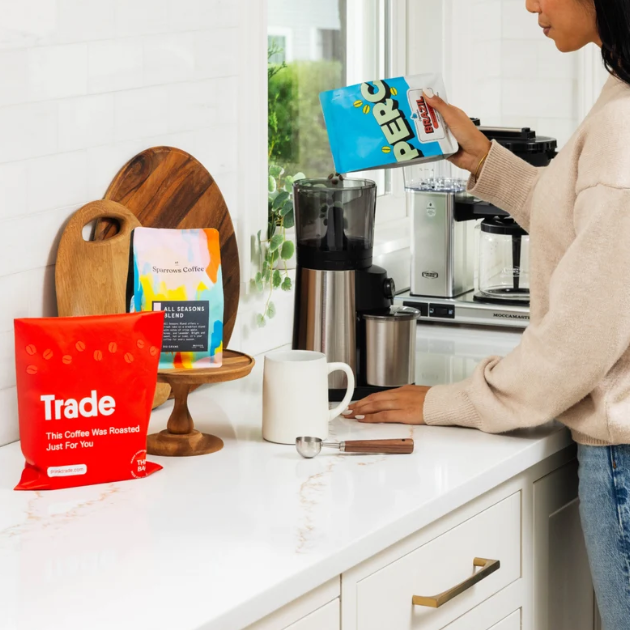
For someone who already knows they prefer darker espresso, my ranking would look something like this:
Trade: Best overall for personalized discovery across roasters. It’s the strongest option for dialing in what you already like and then recommending new coffees within that range, and the matching keeps improving as you rate.
Blue Bottle: Best if you already like Blue Bottle and want to stay within its roasting style. They have a decent size variety of roast styles and produce a really solid product.
Driftaway: Best for guided tasting and learning about your palate, particularly if you’re still figuring out your preferences. Its strength is education.
Atlas: Best for people who prioritize exploring coffee origins and countries. This is the best choice if you specifically care about general origins but want to try different roast levels.
That’s ultimately how I’d approach a coffee subscription. Don’t let the sheer number of coffees available convince you that you need to become an expert in everything. If you know your palate, use that knowledge.
There’s nothing wrong with wanting your espresso to be rich, heavy, chocolatey, and a little bittersweet. You don’t need to chase the most exotic coffee on the menu to prove that you’re serious about coffee.
For me, the Best Coffee Subscriptions for Dark-Roast Espresso are the ones that understand the difference between discovering your preferences and actually having preferences.
If you already know you want darker-roasted espresso, Trade is particularly interesting because it gives you room to explore without asking you to abandon the profile you already know you enjoy.
Honestly, that’s what I’d want from a subscription. Not someone telling me what coffee I’m supposed to like, but giving me more opportunities to find coffees I already have a pretty good chance of loving.

- 10 Specialty Coffee Roasters Worth Trying in Your Hunt for New Coffee - September 28, 2026
- The Best Coffee Subscriptions for Dark-Roast Espresso Drinkers - September 9, 2026
- Best Small-Batch Espresso Roasters Worth Discovering - August 26, 2026